
First Third-Party Device Adds StarLink E2.0
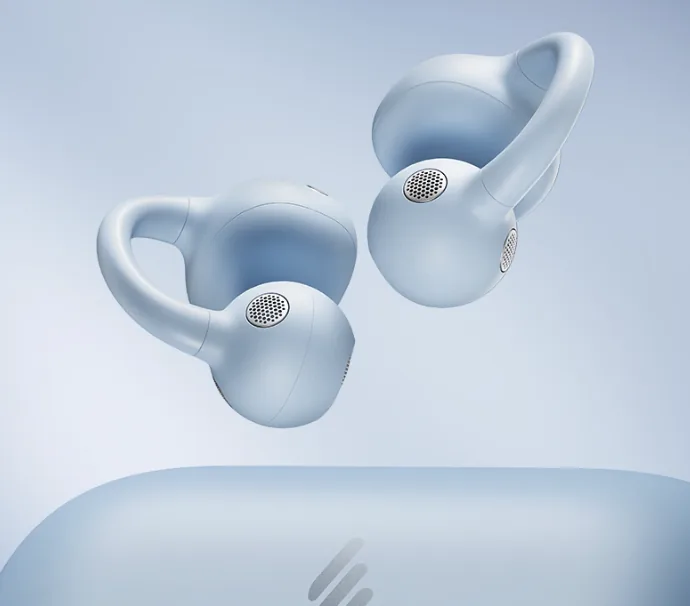
Edifier’s Comfo Clip Q2 ear clip headphones, launched on September 1, have been confirmed as of September 21 to support StarLink E2.0 via firmware upgrade—marking the first third-party product among the first wave in the OpenHarmony ecosystem to achieve this capability, and the non-Huawei brand to extend StarLink functionality.
Key milestones:
- Launch date: September 1 (JD.com), priced at 399 CNY
- Upgrade availability: September 21 via Edifier Connect App
- Activation method: Update App to latest version, re-pair earbuds, select StarLink mode in settings
- Implementation: App-driven feature injection rather than pre-installed system integration
Hardware and Technical Foundation
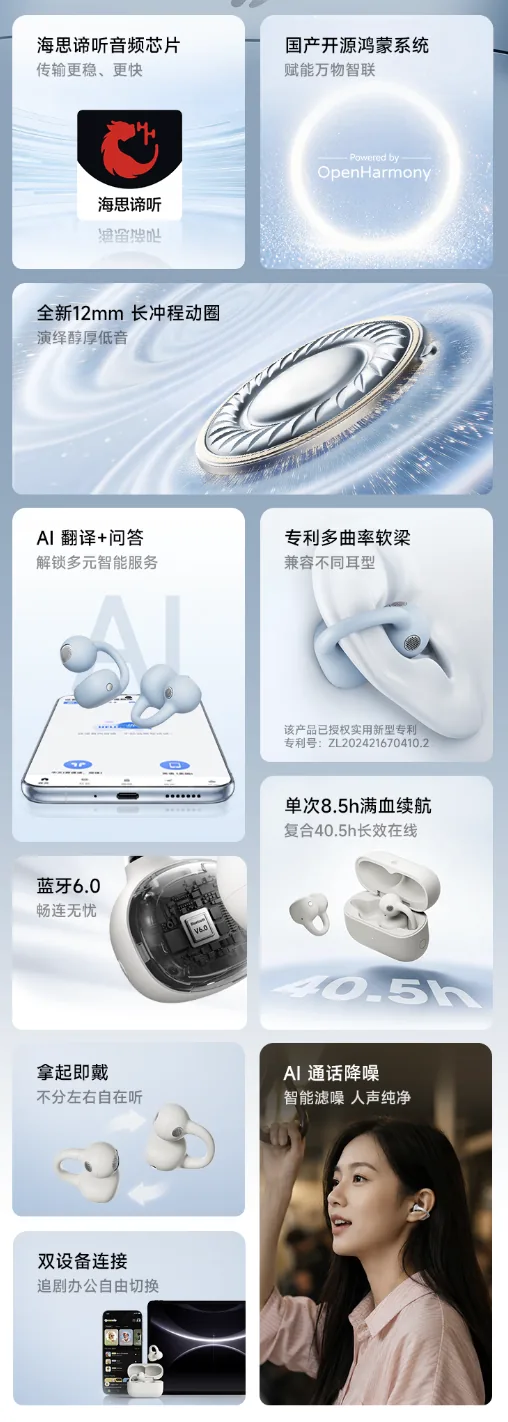
The Comfo Clip Q2 runs on OpenHarmony open-source system with Hisilicon Tietong audio chip, featuring a 12mm long-stroke dynamic driver and PU/PET composite diaphragm. Its signature feature is the proprietary air-arc flexible band containing 0.5mm resilient titanium alloy wire, enabling automatic adaptation to various ear contours. IP56 dust/water resistance provides baseline environmental protection. Battery life delivers 8.5 hours per earbud and up to 40.5 hours total with charging case.
Additional capabilities include Bluetooth 6.0 dual-device pairing, AI translation (21 languages), and real-time face-to-face simultaneous interpretation. A notable disparity stands out: although StarLink E2.0 is now supported, the base connectivity remains Bluetooth 6.0—meaning full StarLink benefits require compatible smartphone hardware. Users without StarLink-enabled devices currently cannot realize the complete performance potential of this upgrade.
Feature Comparison and Use Cases
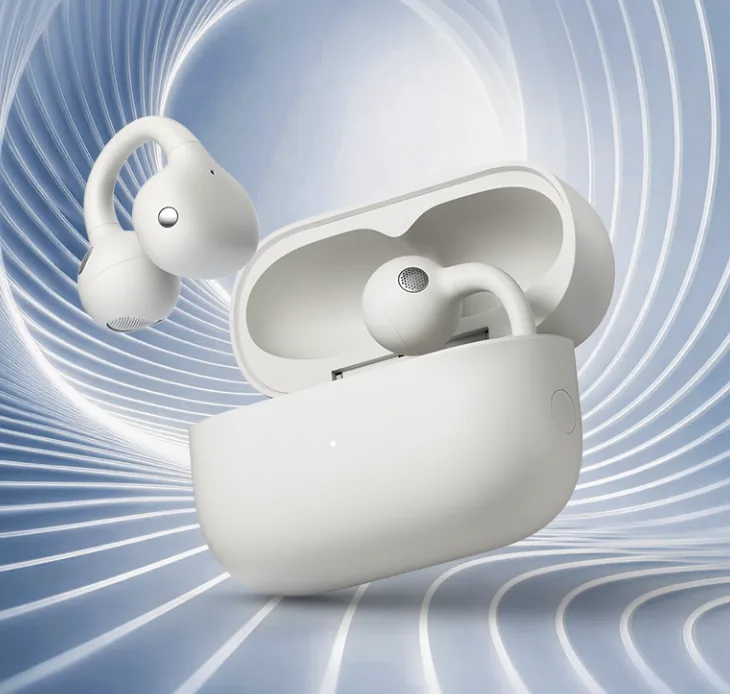
| Specification | Comfo Clip Q2 Details |
|---|---|
| Chipset | Hisilicon Tietong audio chip |
| Driver size | 12mm dynamic driver |
| Diaphragm | PU+PET composite material |
| OS | OpenHarmony open-source version |
| Bluetooth | Bluetooth 6.0 (dual device pairing) |
| StarLink | E2.0 (lossless audio, reduced latency, enhanced interference resistance) |
| Water resistance | IP56 |
| Battery | 8.5h per earbud / 40.5h total with case |
| AI features | 21-language translation, photo translation, face-to-face simultaneous interpreting |
StarLink E2.0 delivered through this update enables three key improvements: higher bandwidth for lossless audio transmission, reduced end-to-end latency, and stronger coexistence resilience in congested RF environments. When combined with the earbuds’ AI translation capabilities, the StarLink mode shows promise for seamless real-time communication and premium audio experiences.
Buying Recommendations
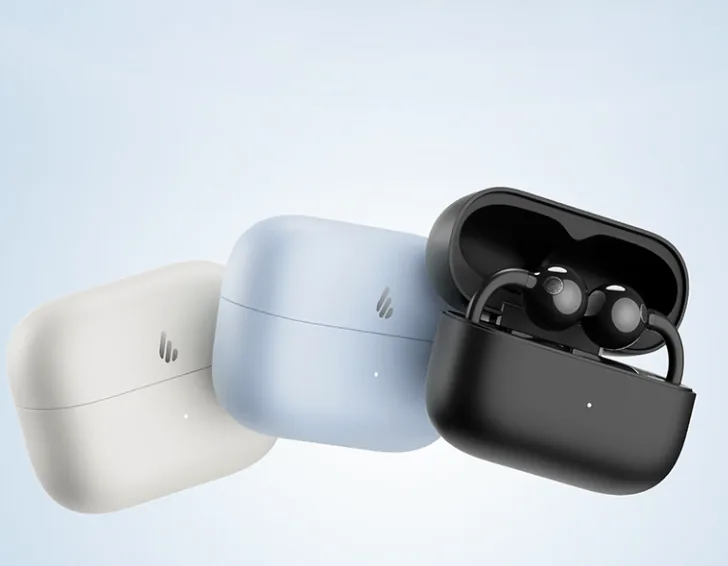
Worth purchasing now if: You already own Huawei/Honor StarLink-compatible devices; you prioritize ear-clip comfort and frequently use translation features (e.g., students, professionals); or you seek early-adopter value in anticipative ecosystem expansion.
Consider waiting if: Your current phone lacks StarLink support (older Android/iOS)—without a compatible host, the StarLink features remain inaccessible while Bluetooth mode already delivers full driver performance and battery life; or you demand exceptional bass response—despite dynamic bass compensation, open-ear design inherently limits low-frequency extension.
Final Note
StarLink technology is transitioning from vendor lock-in to ecosystem openness. Comfo Clip Q2’s over-the-air upgrade path demonstrates a replicable approach for third-party manufacturers: build hardware readiness, then unlock capability via software delivery. This reflects OpenHarmony’s growing maturity in balancing backward compatibility with forward-looking extensibility.