
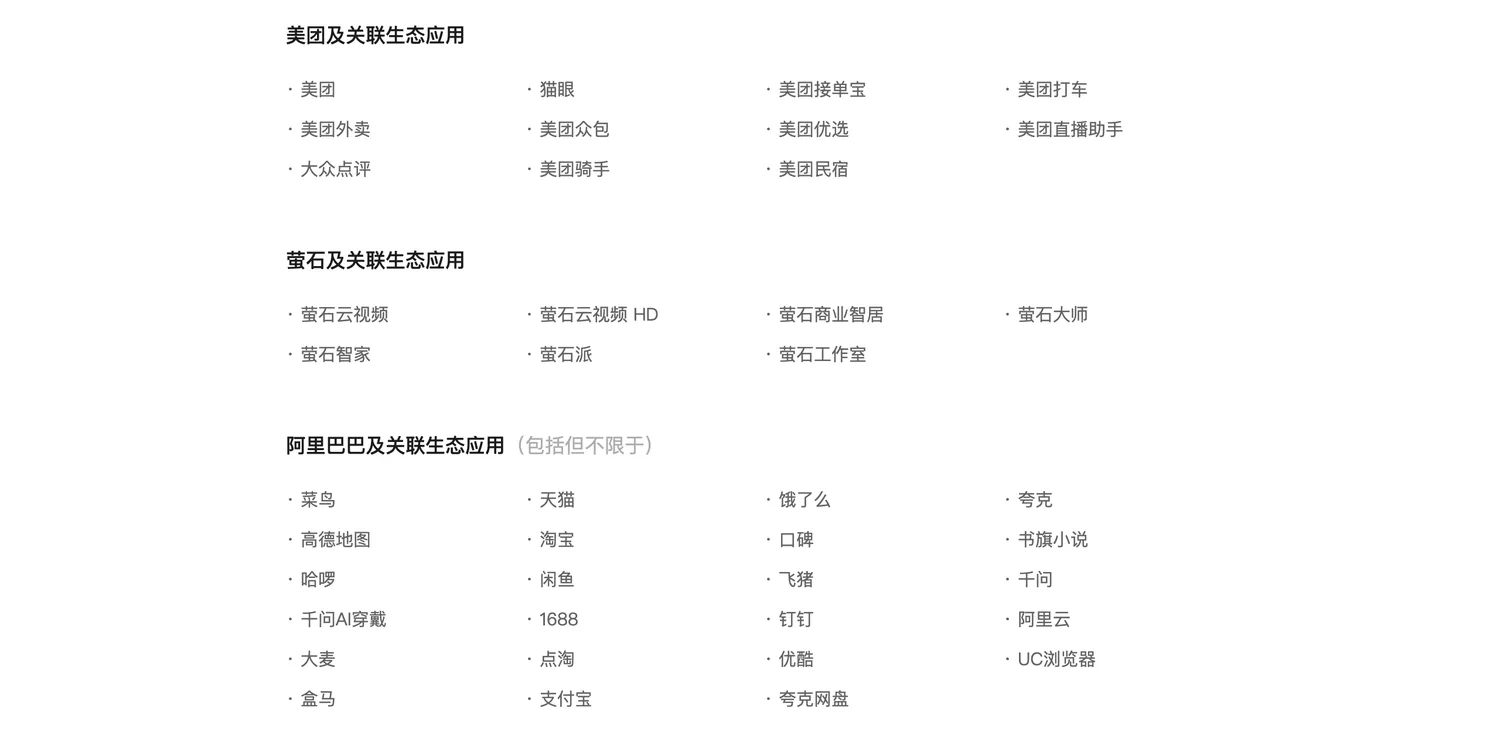
On October 14, the Screen Automation Execution Protocol (SAEP) introduced by Doubao Mobile Assistant officially concluded its 30-day public comment period. A rejection list published the same day showed that 155 third-party apps have explicitly shut the door on AI automation.
- Date: October 14, when SAEP completed its 30-day public comment period
- Result: 155 third-party apps declined to grant AI automation permissions
- List updates: Two rounds of updates that day; 153 apps in the first batch, settling at 155 after long-tail apps were added
- Named vendors: Tencent 66, Alibaba 23, Meituan 11, Kuaishou 14
- Peers also included: Other AI players such as Kimi and DeepSeek also closed off access
- Not disclosed in source material: Pricing, version numbers, future integration timelines, whether weights are open, and other details were not mentioned
A “Declaration Protocol” That’s Really After Authorization

First, let’s clarify the terminology. Screen automation means an AI assistant reads what’s on a phone screen and simulates taps and swipes to complete cross-app tasks—for example, recognizing an address in a chat history, then opening a map app and hailing a ride. It doesn’t require every app to build a separate API; the trade-off is handing over operational control, which means third-party apps lose control over their own interfaces.
SAEP’s naming and process are also worth noting. It is a “declaration protocol” and includes a 30-day public comment period. The move itself signals a stance: Doubao Mobile Assistant wants to obtain authorization through public consultation, inviting apps willing to integrate to declare support for automation. The end of the comment period means the rules have completed the public feedback stage.
The response from 155 apps: no.
List Structure: Four Major Players Account for More Than 70%
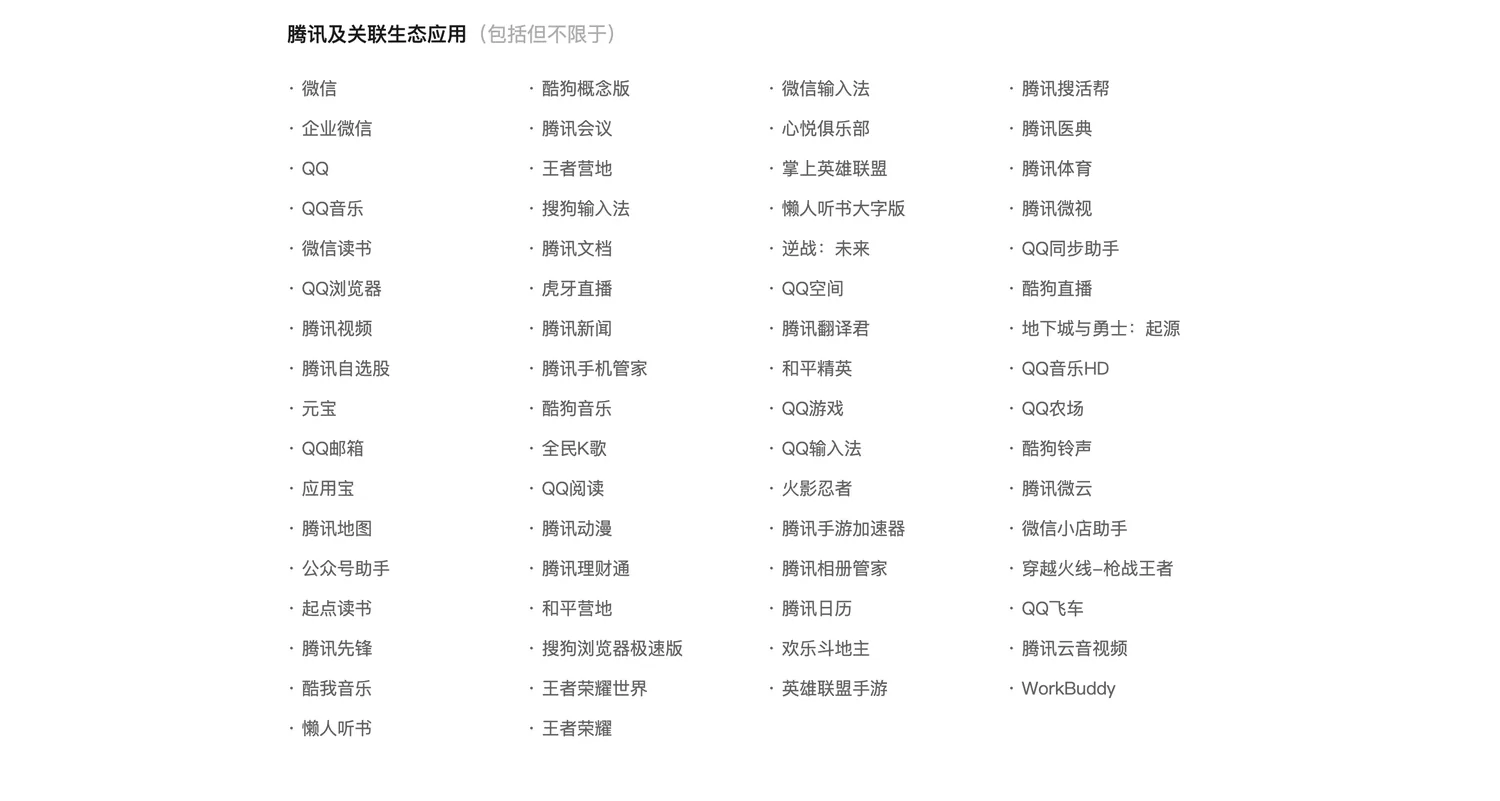
| Vendor | Apps that explicitly disabled AI automation permissions |
|---|---|
| Tencent | 66 |
| Alibaba | 23 |
| Kuaishou | 14 |
| Meituan | 11 |
| Total on rejection list | 155 |
(Table data is taken from the rejection list summary in GeekPark’s report.)
Tencent accounts for 66, Alibaba 23, Kuaishou 14, and Meituan 11; together, the four account for 114, more than 70% of the 155-app list. Tencent alone accounts for nearly 40%. The summary’s assessment: mainstream products covering nearly half of China’s internet landscape are all on the list.
The list was updated twice that day: the first batch had 153 apps, and after long-tail apps were added, it settled at 155. This detail shows that it wasn’t just top products taking a stance; long-tail apps also chose to close off access. For a protocol aimed at the entire mobile ecosystem, the breadth of rejection matters more than the force of rejection.
The most intriguing contrast is that Kimi, DeepSeek, and other products also in the AI race appear on the rejection list. They point in the same direction as Doubao Mobile Assistant, yet at this moment they made the same choice. The source material does not give their specific reasons. From a product-logic perspective, screen automation funnels user journeys toward the AI assistant, potentially siphoning off entry points and display slots that originally belonged to individual apps—and that logic holds for anyone, including AI companies.
Who Should Use It Now, and Who Should Wait
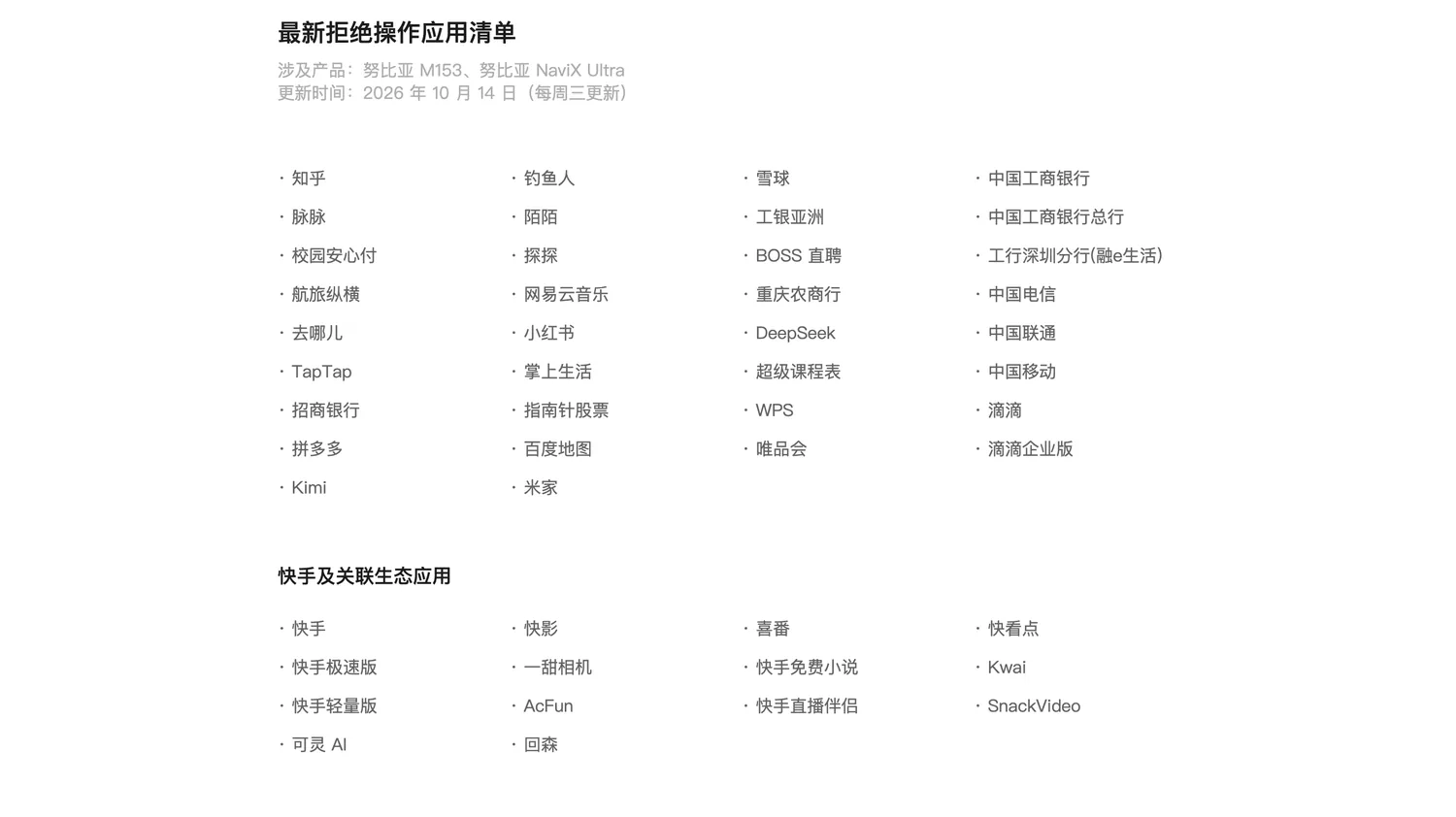
People who should try it first: Users who just want AI to handle scattered tasks and whose most-used apps are mostly not on the rejection list can go ahead and try it. But before you start, do one thing: check whether the apps you use most are on the list. Without categories such as travel, payments, and instant messaging, the remaining automation scenarios often don’t form a closed loop.
People who should wait: Those who see cross-app automation as core productivity. The reason isn’t technology; it’s information. The source material provides nothing about future integrations, negotiation progress, or timelines. The current fact is that “155 apps have explicitly closed off access,” not that “negotiations are underway.” In addition, the headline mentions “the first AI phone,” but the source material doesn’t disclose specs, pricing, or launch details for the device, so judgments about the device itself can’t yet be made.
Final Thoughts
The real obstacle to screen automation has never been technology; it’s who owns the entry points and permissions. What the first AI phone has run into isn’t a compute bottleneck but the silence of its partners. This list is mobile internet’s collective vote on “who gets to tap the screen for me.”