
Disney Appoints Its First Chief Technology Officer
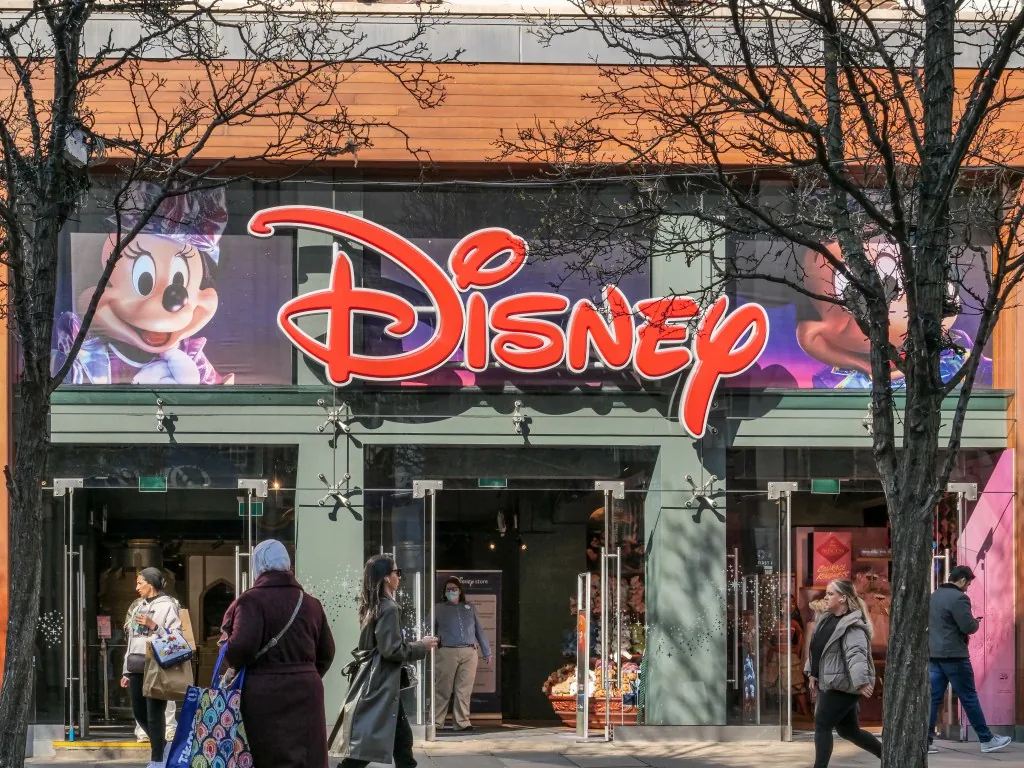
Disney has officially appointed Karandeep Anand as its first-ever Chief Technology Officer (CTO), marking a pivotal step in the company’s technology transformation under new CEO Josh D’Amaro. The announcement was made public on September 18, 2026.
Key Facts:
- New CTO: Karandeep Anand, former CEO of Character.AI
- Appointment Time: September 2026 (announced September 18)
- Background: Anand previously received a cease-and-desist letter from Disney in September 2025 over alleged IP infringement
- Timing: Follows Bob Iger’s departure in March and Josh D’Amaro’s subsequent appointment as CEO
A Surprising Turn: From Infringement Allegations to Technology Leadership

Karandeep Anand’s career path carries a notable twist. He became CEO of Character.AI in May 2025—and just four months later, in September 2025, Disney sent the company a cease-and-desist letter accusing it of infringing on Disney’s copyrighted characters. Character.AI enables users to create virtual characters using generative AI and interact with them through conversation.
Disney claimed the company was hosting copyrighted characters from its franchises. The company’s platform also faced additional legal challenges, including lawsuits over allegations that its chatbots encouraged self-harm and suicidal behavior.
The irony is striking: an executive from a startup Disney accused of violating its core intellectual property is now being entrusted with shaping Disney’s entire technology strategy. This suggests D’Amaro’s leadership prioritizes proven technical expertise and scale experience over past corporate conflicts.
Industry Context and Implications
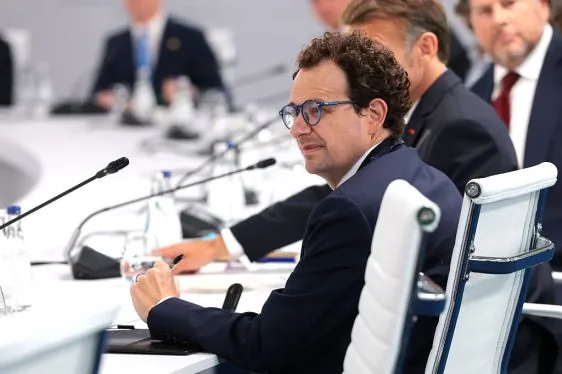
Anand brings a strong background: 15 years at Microsoft, followed by six years at Facebook (now Meta), before joining Character.AI as a board adviser and later CEO in May 2025. His tech industry pedigree provides credibility in navigating AI infrastructure, large-scale systems, and product development.
While no specific responsibilities have been detailed publicly, Anand’s hiring signals Disney’s intent to intensify investment in generative AI across content creation, theme park experiences, and consumer engagement. Industry observers note that balancing AI innovation with rigorous IP protection will remain a delicate challenge under his leadership.
Practical Recommendations
- For AI product teams:>Anand’s career demonstrates a viable trajectory—from enterprise tech (Microsoft, Meta) to high-growth AI startups, now to legacy entertainment’s top tech role. Hands-on experience with scaling AI products while managing legal/compliance risks is increasingly valuable.
- For content creators and developers:>If your work uses third-party IP (even through AI), assume copyright compliance remains non-negotiable. Disney’s choice of Anand may open doors for collaboration, but unlicensed use of protected characters still carries legal exposure.
- For investors:>Expect increased R&D spending tied to AI initiatives, though profitability timelines remain unclear. The strategic bet is that AI integration can drive cost savings and new revenue streams without diluting core IP value.
In Summary
Disney’s decision to create—and fill—its first CTO role reveals how traditional entertainment companies are redefining their technological and legal boundaries in the AI era. When past IP disputes no longer disqualify a candidate, it underscores that AI-era talent evaluation hinges more on current capability than historical conflict.