
Launch: Dual Breakthrough in Specifications and Pricing
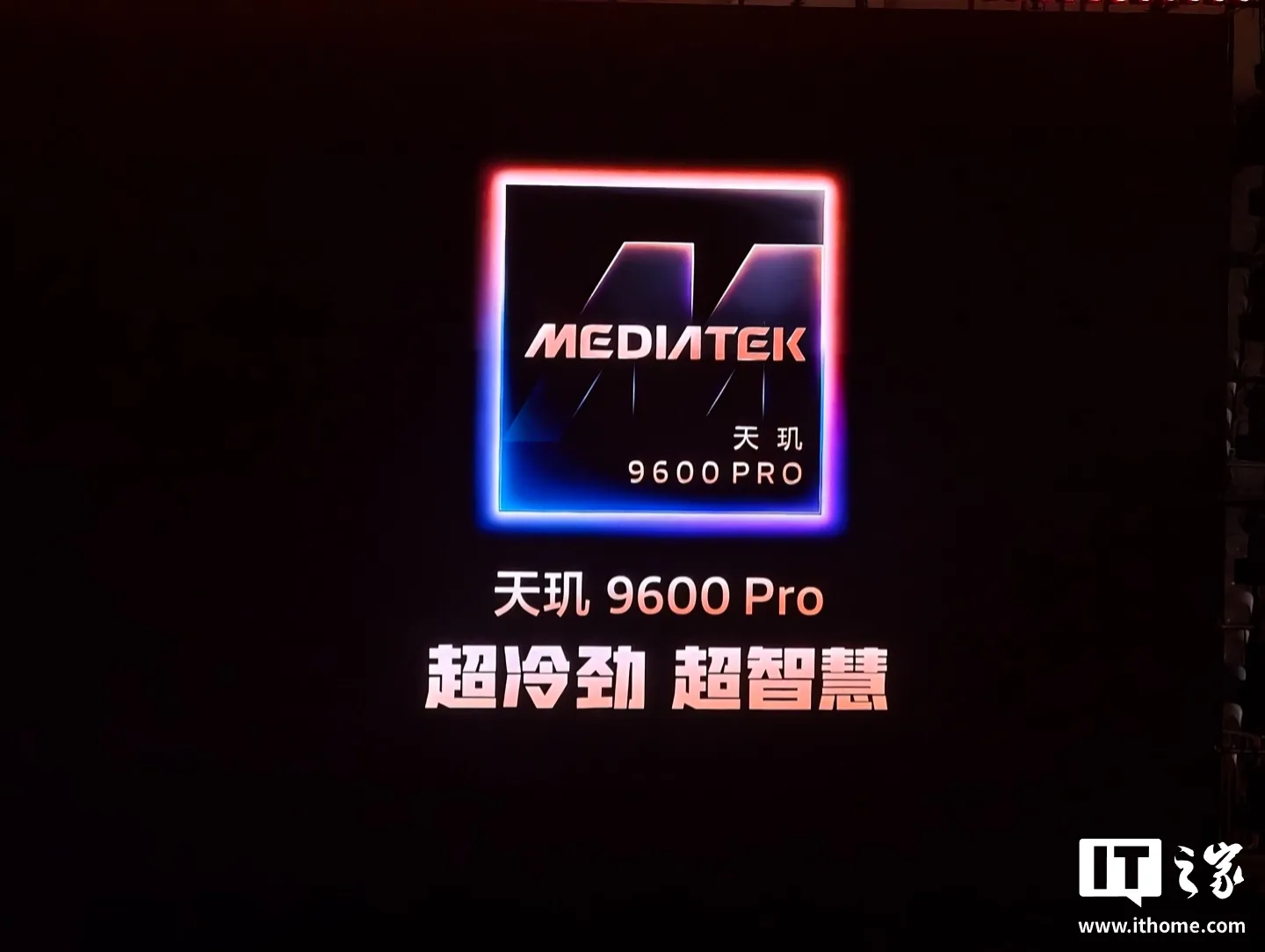
MediaTek officially unveiled its new flagship mobile platform, the Dimensity 9600 Pro, on September 15, 2026. This marks MediaTek’s first SoC built on the 2nm process node, with core highlights including:
- Process and Architecture: Co-developed with TSMC, 2nm process, integrating over 3.3 billion transistors
- Pricing: Up to $220 (approximately RMB 1,480), setting a new all-time high for MediaTek flagship SoCs
- Launch Timeline: Announced September 15, 2026; commercial smartphone availability pending OEM announcements
- Weight Strategy: No details provided on whether related phone models have opened pre-orders
Notably, this price tag breaks through MediaTek’s previous pricing ceiling for flagship offerings, signaling its strategic deepening into the premium market segment.
Process and Costs: The Economics Behind 2nm
The 2nm process represents the most advanced node in current semiconductor manufacturing, offering experimental advantages in integration density and power efficiency. TSMC, as the foundry partner, provided high-density logic cells and low-leakage design support for the Dimensity 9600 Pro. However, the significant cost pressure of high-end processes is directly reflected in the pricing adjustment.
MediaTek Vice President and General Manager of the Wireless Business Unit, Jing-Quan Xu, stated that rising 2nm process costs and increased memory prices jointly drove this price adjustment. To alleviate material cost pressure on device manufacturers, MediaTek has collaborated with partners to optimize designs: one approach minimizes the PCB footprint occupied by memory components, while another advances related packaging and layout technologies to improve spatial efficiency.
A key data point reveals a notable contrast: despite exceeding 3.3 billion transistors, the Dimensity 9600 Pro remains priced below Qualcomm’s peer flagship. The Snapdragon 8 Elite Gen 6 Pro retails at $240–260 (approximately RMB 1,614–1,749), 10–18% higher than the Dimensity 9600 Pro. This suggests MediaTek is employing a differentiated strategy rather than pure price competition.
Technical and Competitive Comparison
| Metric | Dimensity 9600 Pro | Snapdragon 8 Elite Gen 6 Pro |
|---|---|---|
| Process Node | 2nm (TSMC) | Not disclosed |
| Transistor Count | 3.3B+ | Not disclosed |
| Unit Price | Up to $220 | $240–260 |
| RMB Equivalent | ~$1,480 | ~$1,614–1,749 |
Note: All comparison data is drawn exclusively from the original report. The 2nm node is currently the smallest publicly available process technology, theoretically offering performancedensity and power efficiency advantages over 3nm or 4nm nodes, though yield management and thermal control remain critical production challenges.
Buying Advice: Match Product to Use Case
- Best for Early Adopters: Smartphone manufacturers prioritizing energy efficiency and design flexibility. The Dimensity 9600 Pro’s low-footprint memory configuration enables tighter motherboard layouts, supporting thinner-and-lighter flagship designs.
- Recommended to Wait: Enthusiasts demanding absolute peak performance should await initial benchmark and review data. While the Snapdragon 8 Elite Gen 6 Pro commands a price premium, its real-world multitasking and gaming thermal performance must justify the cost difference.
With MediaTek releasing no specific performance or AI capability metrics, general consumers should wait for first-hand device reviews before making decisions.
Final Thoughts
The Dimensity 9600 Pro represents MediaTek’s formal entry into the 2nm era, with its $220 pricing reflecting both the realistic cost of advanced process technology and a pragmatic challenge to Qualcomm’s premium pricing benchmarks. Whether 2nm ecosystem scalability can convince mainstream manufacturers to return remains the key metric to watch in coming quarters.