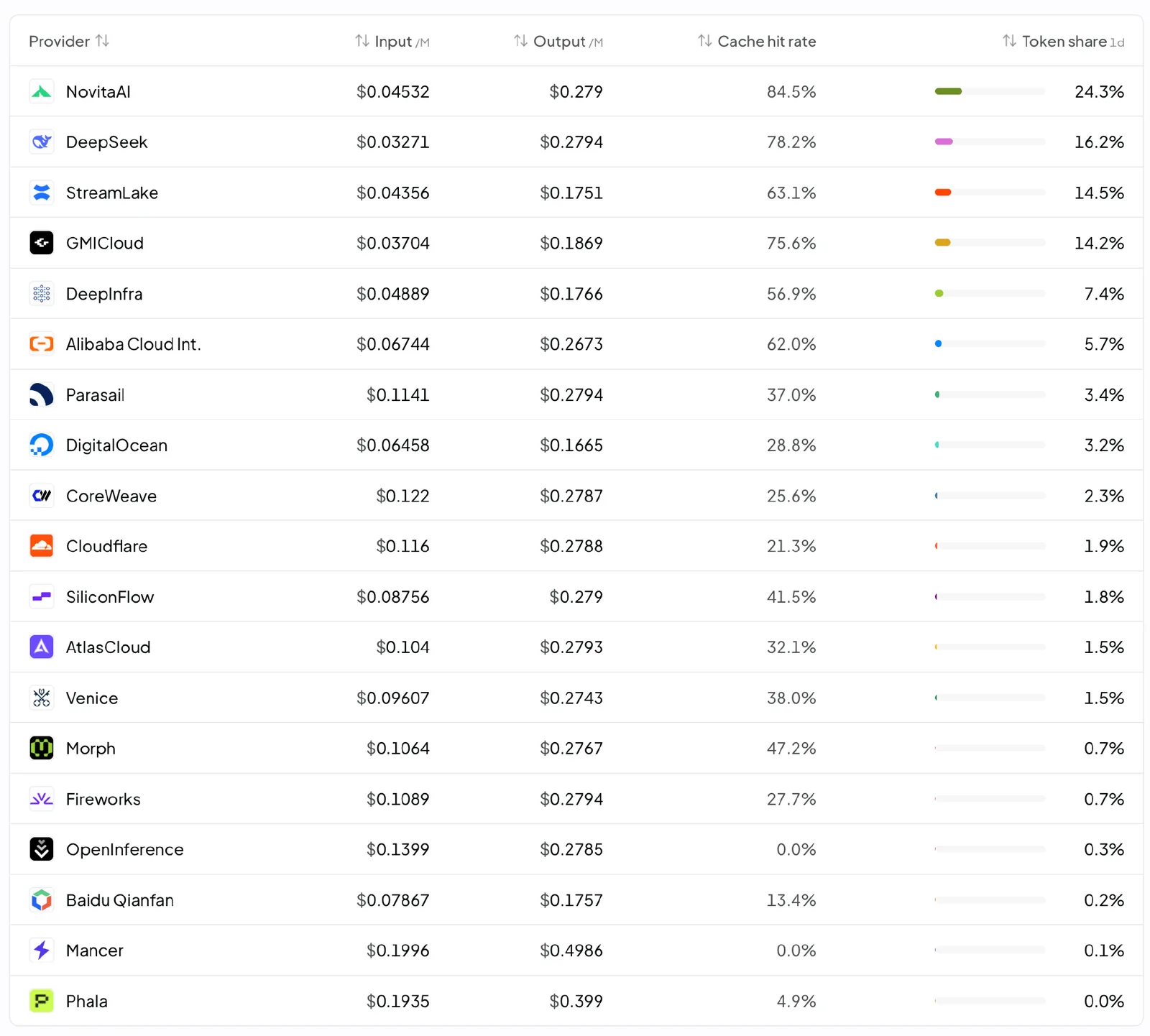
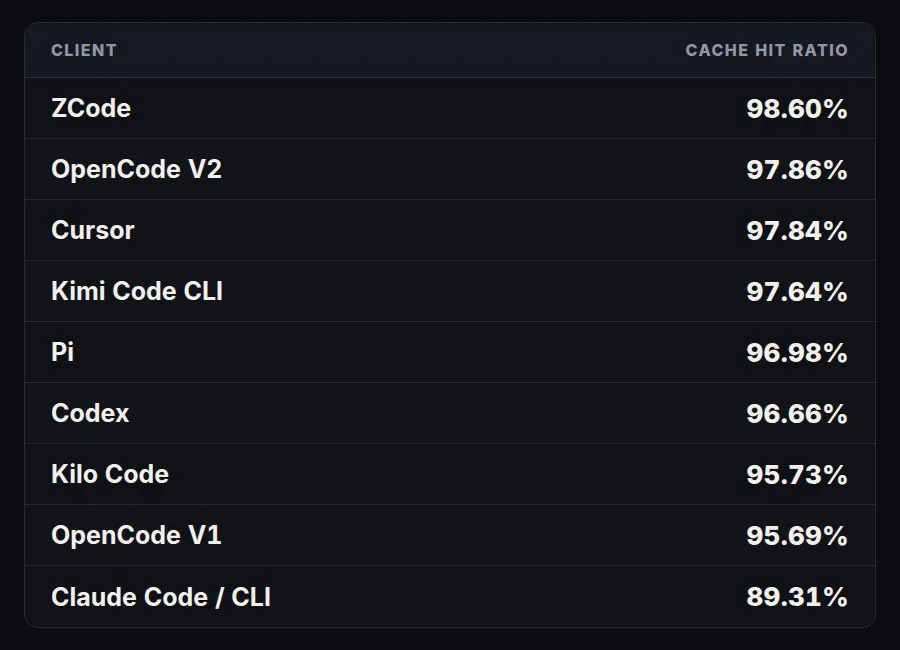
Pricing Adjustments Take Center Stage
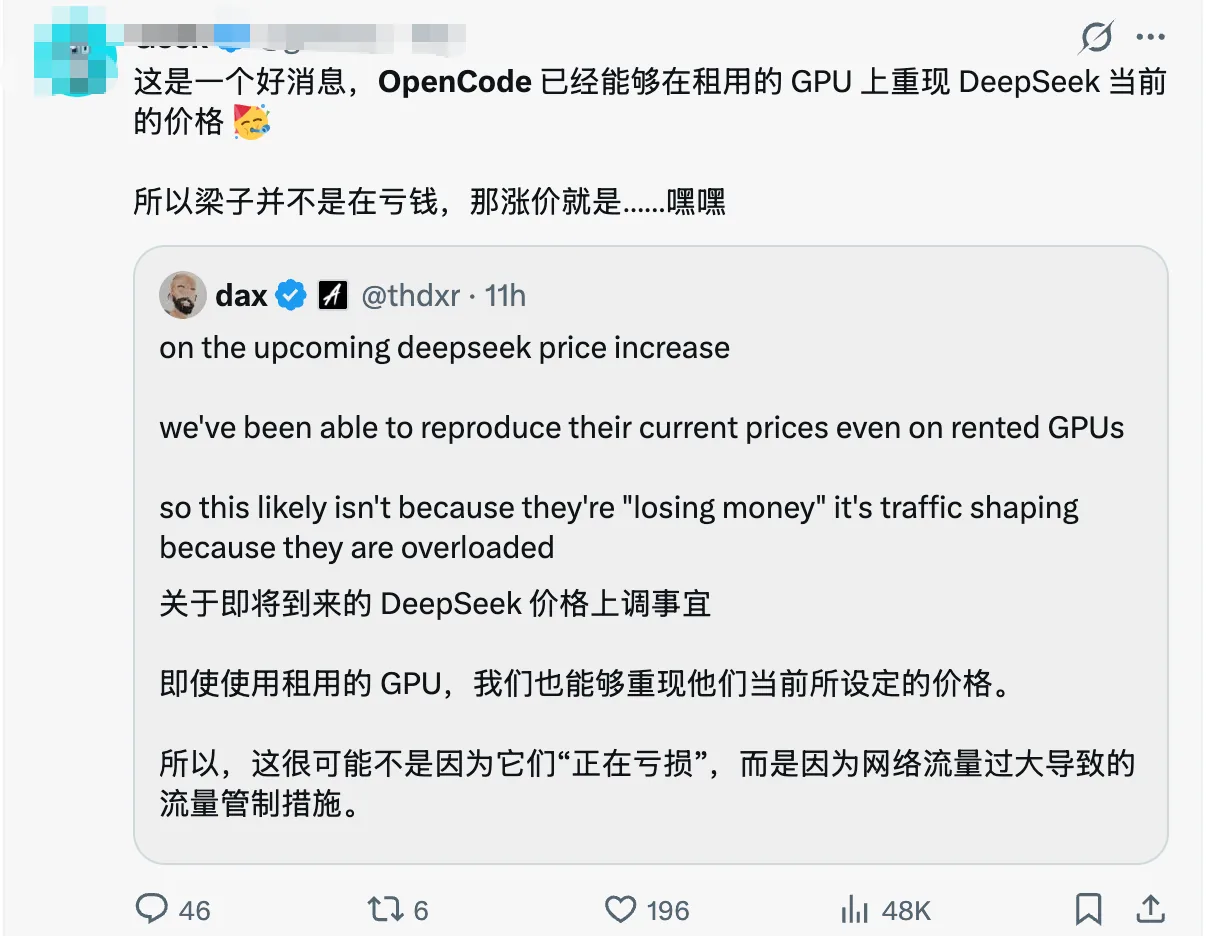
DeepSeek recently sparked discussion with claims of “raising prices 30-fold yet still the cheapest model.” The core of the debate isn’t simply the price hike itself, but rather that even after a significant adjustment, it may still maintain a competitive edge on pricing. For everyday developers, model pricing is typically billed per API call. An API can be understood as the interface through which applications tap into large model capabilities, with the common billing unit being a token—the smallest fragment of text the model processes.
Why the Confidence Remains
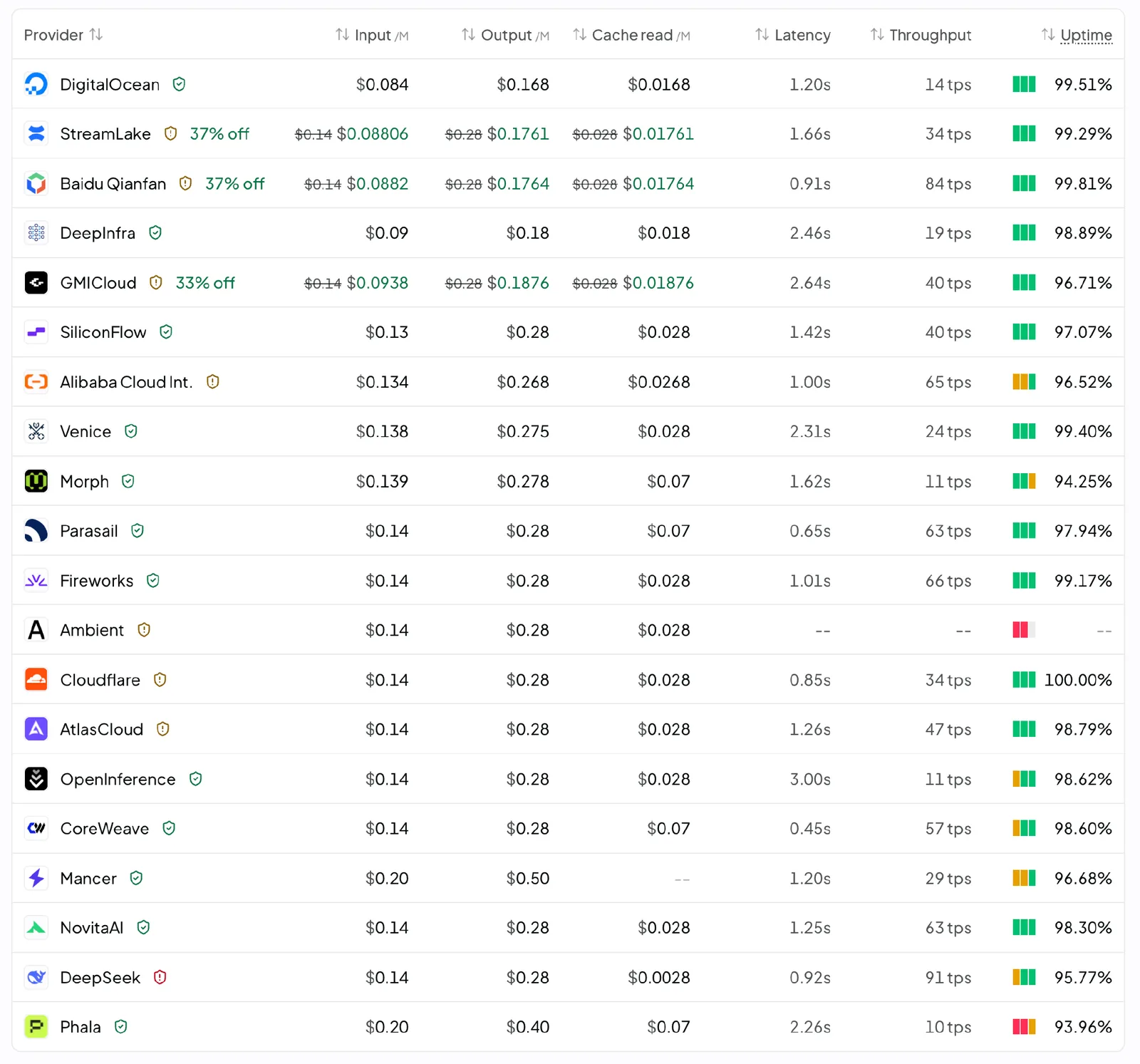
If prices remain at the low end of the industry even after an increase, it suggests DeepSeek’s advantage may stem from two areas: first, well-controlled inference costs—inference referring to the computational process when a model answers queries; second, using low prices to expand developer adoption, then amortizing compute and engineering costs through scale. Price isn’t the only metric—response speed, stability, context length, and tool ecosystem equally determine whether developers will migrate.
Industry Observations
This kind of pricing adjustment also sends a signal to the market: large model services are shifting from “burning money to acquire users” toward “validating commercialization.” What the industry competes on next won’t just be parameter scale, but who can find a more sustainable balance among cost, experience, and ecosystem.