
Desktop Open-Sourced: Developer Preview Phase
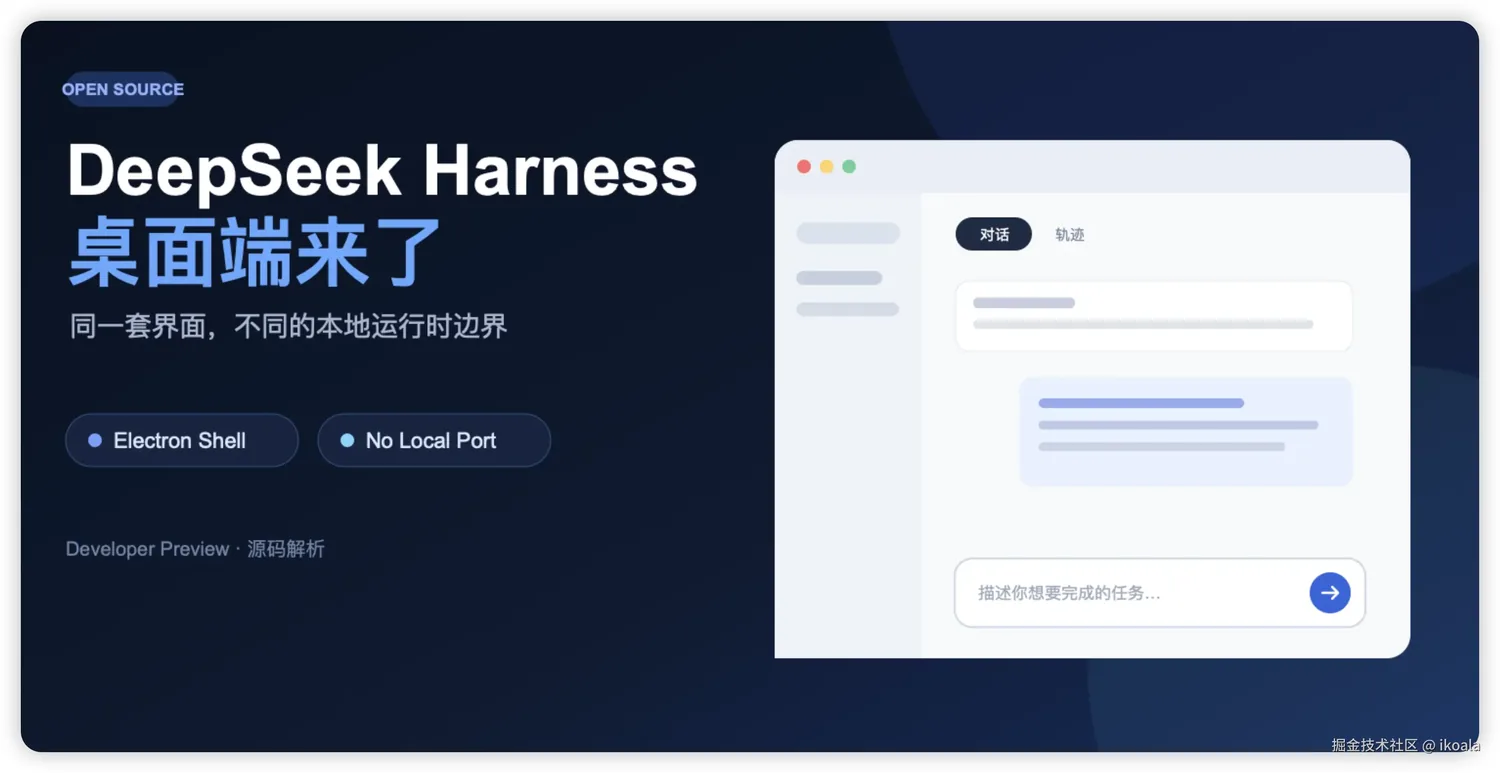
DeepSeek Harness’s official repository now includes a desktop sub-project under the apps directory, marking the open-source release of its first desktop client. The project remains in Developer Preview status, with no installable DMG or EXE assets available in GitHub Releases.
- Development launch:
pnpm install && pnpm run dev:desktop - Release status: Developer Preview (breaking changes may occur)
- Supported platforms: macOS arm64, macOS x64, Windows x64 (Linux not yet supported)
- Barriers to stable release: macOS requires code signing and notarization; Windows requires EV signing
Git history shows the first batch of Electron packaging code entries entered in late August, followed by Windows builds, macOS signing, auto-update, and startup recovery features.
Architectural Breakthrough: No Local Web Server
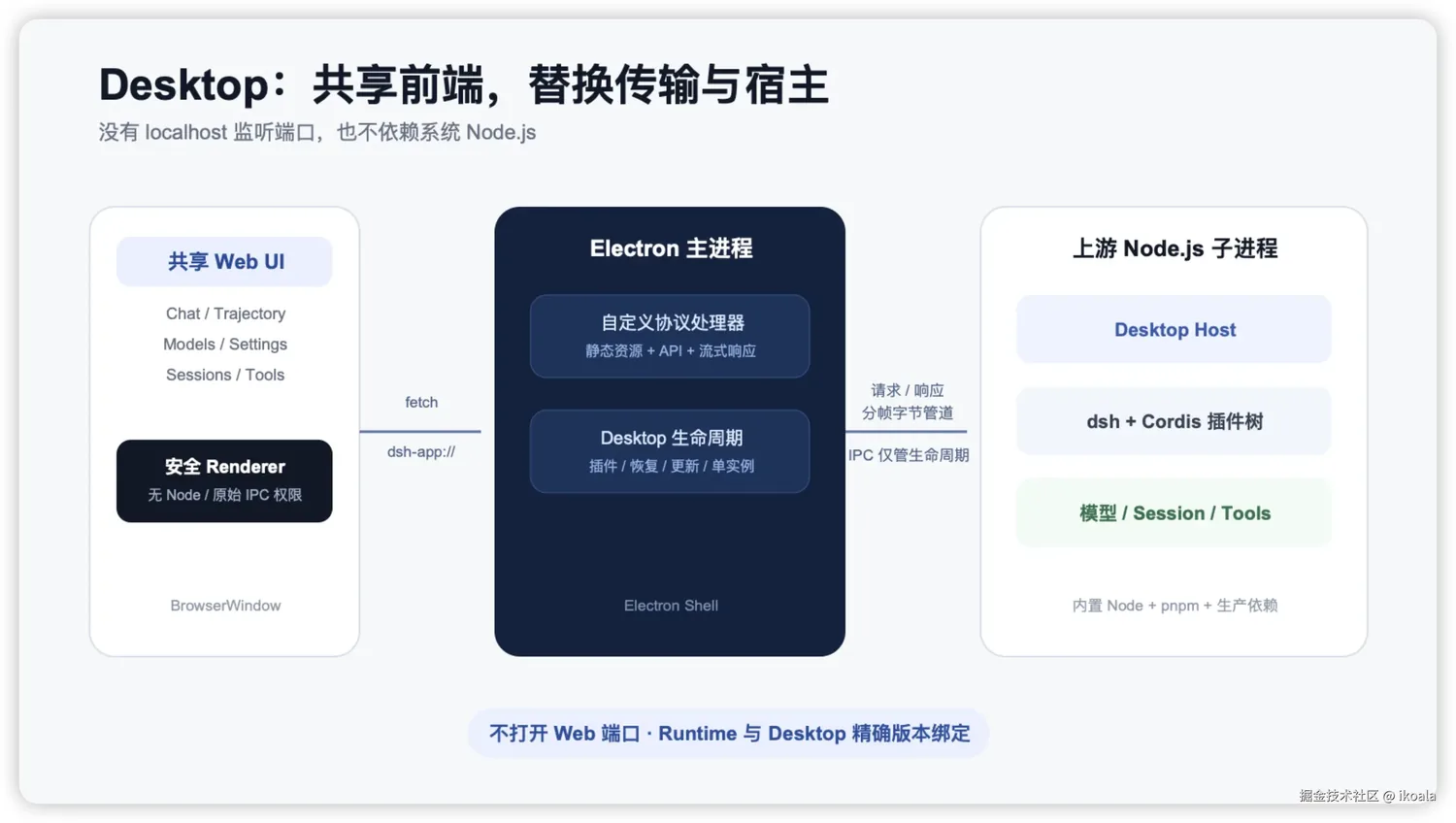
The most notable technical innovation is that the UI appears nearly identical to the Web version, yet no local web server is started. Traditional Electron apps often load Web UI via http://127.0.0.1:xxxx, but DeepSeek uses a novel pipeline:
| |
Key implementation details:
- dsh-app:// unified protocol:
dsh-app://shellserves the splash screen and plugin manager;dsh-app://appproxies API requests to backend - Bundled Node.js runtime: Fixed versions of Node.js, pnpm, and complete production dependencies eliminate Electron’s patched Node ABI and system Node version inconsistencies
- Data flow isolation: Fetch requests traverse versioned binary frames (max ≤64KiB); IPC carries only lifecycle events:
ready/fatal/shutdown - Strict sandboxing:
nodeIntegration: false,contextIsolation: true,sandbox: true,webSecurity: true
Feature Differentiation: Shared UI, Exclusive Shell Capabilities
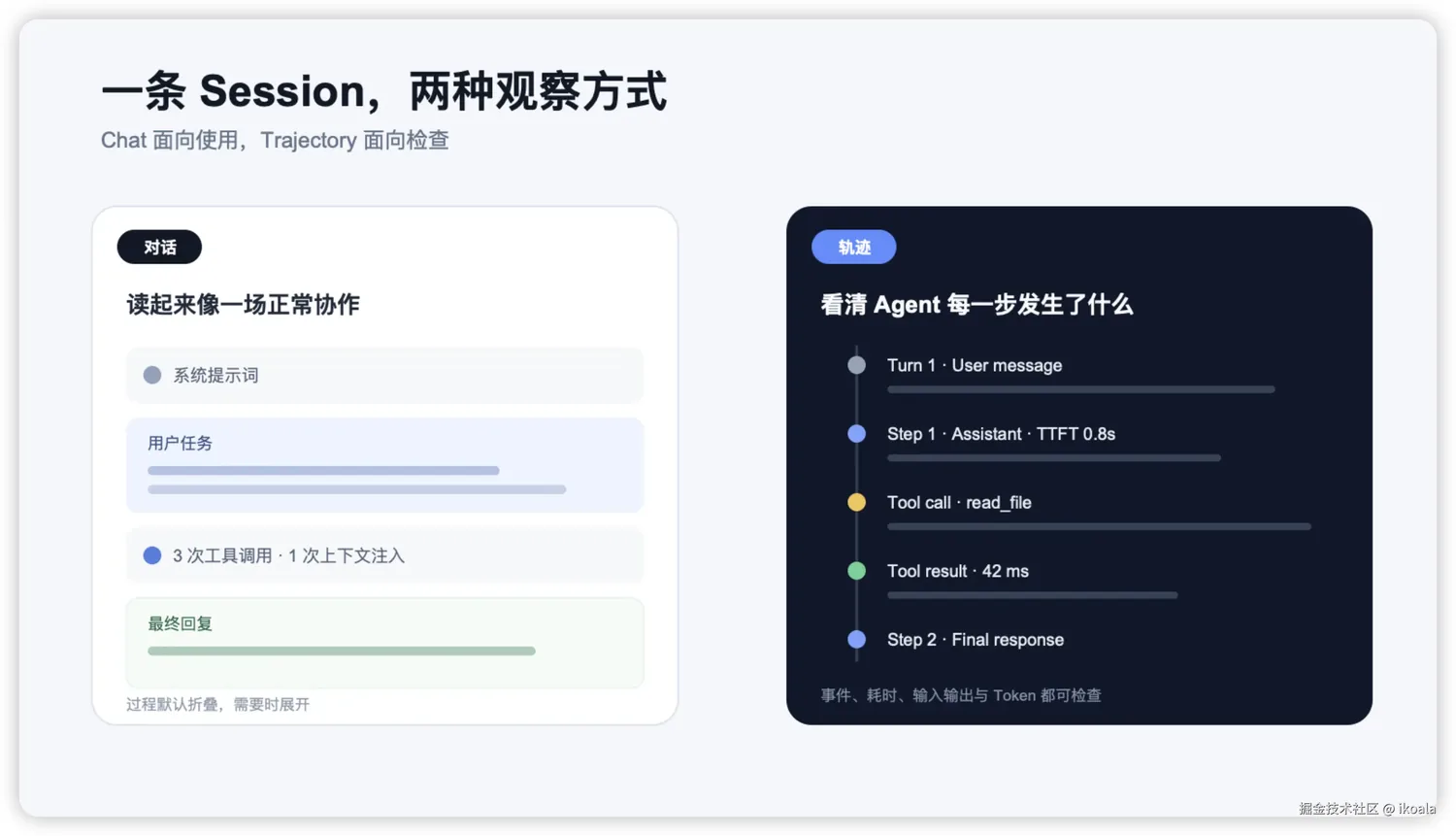
Desktop and Web versions share identical business features (Chat/Trajectory/Sessions/Model/Permissions/Tools). Added desktop-specific capabilities:
- Native workspace selector: Uses OS file dialogs
- Standalone plugin manager: Install/delete/update/enable/disable; preserve failure state for manual repair
- Startup-failure recovery page: Independent of Harness Host, providing restart/disable/reset options
- Integrated auto-updater: Updates the entire bundle (Electron Shell + matched dsh + Node.js + pnpm + dependency tree) to prevent version mismatches
Desktop shares $DSH_HOME data (sessions/settings/credentials/workspaces) with CLI/SDK but isolates runtime dependencies (plugin activation state/lock files/node_modules).
User Guidance
Recommended to wait:
- General end users: unstable Developer Preview, no installers yet
- Linux users: no build support at present
Ready to explore:
- Coding Agent desktop developers: reference Electron wrapping and plugin isolation
- Desktop Agent runtime researchers: study Node.js subprocess embedding and IPC design
- Plugin system architects: learn failure-state preservation and hot-restart mechanisms
Final Thoughts
DeepSeek is evolving the CLI tool-style Harness framework into a mature local Agent platform with bounded product hosting. This desktop open-source release confirms the shell-layer technology is production-grade, enabling future native-capability extensions (notifications/tray/integration) without rewriting the core Agent Runtime.