
Anthropic Officially Launches the Mods Customization Mechanism
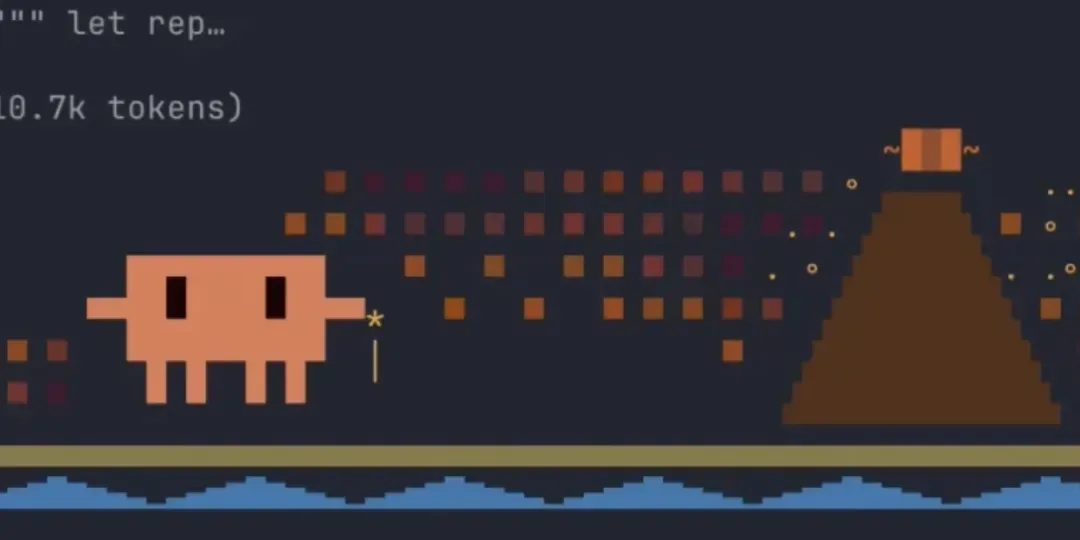
On October 1, 2026, Anthropic officially added the Mods mechanism to the Claude Code changelog and enabled it by default. This feature allows developers to achieve deep customization across the conversation interface, input field, execution pipeline, and more through just a few lines of TypeScript functions. Community projects have already gone live, including the 260K-parameter Storytime mod, a pixel pet, a 4-7-8 breathing guide animation, a Doom game mod, and a one-click video script renderer. Anthropic explicitly stated that built-in features like the /diff change panel and AGENTS.md support are themselves developed using the same Mods mechanism, with source code publicly available.
Plugin Ecosystem Accelerates
The permissions scope of mods covers: opening side panels alongside conversations, drawing UI elements above the input field, transforming built-in interfaces, intercepting and modifying Claude’s execution commands, and redirecting requests to other models for processing. Anthropic rolled out four ecosystem toolchain components in rapid succession over ten days, forming a complete app store framework: Claude Marketplace launched on September 23 (with over 2,000 plugins and connectors), the plugin submission portal opened on September 25 (including automated validation, security scanning, and manual review), Mods officially went live on October 1 (submittable to the directory for sharing), and a unified plugin entry point across terminal and app was announced for the coming weeks.
The community responded swiftly: the OneWave AI team produced ten mods in a single night, including password verification for destructive commands, a Claude inner monologue panel, and a multi-agent racing scoreboard. The site claudemods.ai has already categorized mods by games and dashboards and opened voting, with the Chrome offline dinosaur mod currently leading the polls.
Comparison: Openness Determines the Ecosystem Landscape
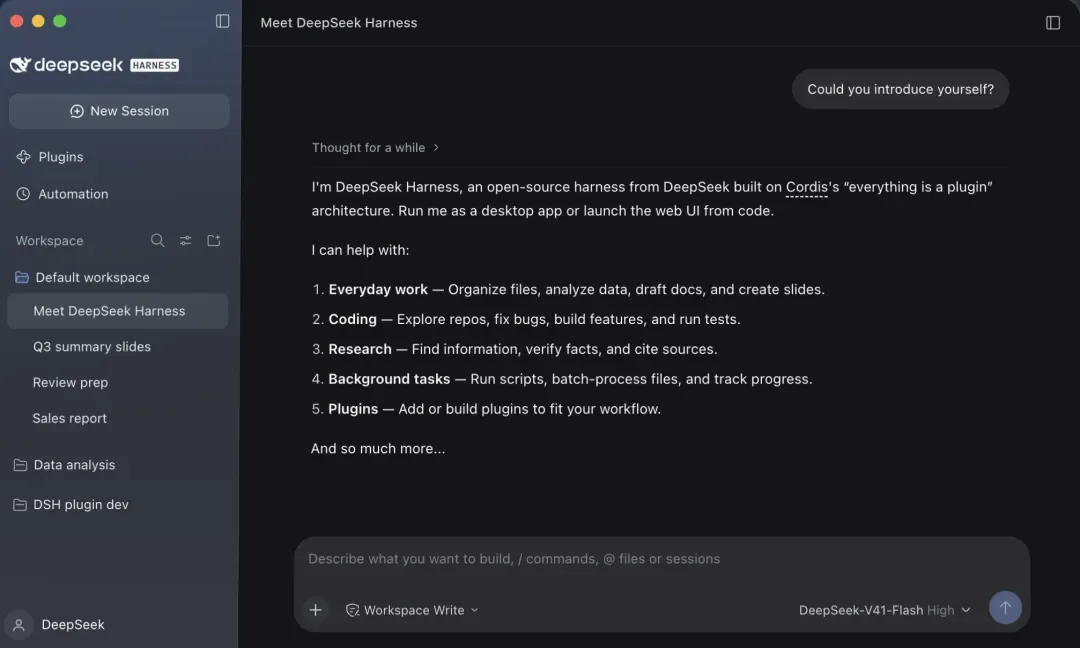
Anthropic, OpenAI, and DeepSeek exhibit a clear divergence in the openness of their AI programming tools, forming a spectrum across the industry:
| Direction | Openness Level | Representative Solution | Characteristics |
|---|---|---|---|
| Controlled Openness | Only outer-layer capabilities exposed | Claude Code Mods | Supports cross-model invocation, but core reasoning loop remains closed-source |
| Closed Feature Extension | Only skin-level customization | Codex Pet Mode | Official preset pets with swappable skins; underlying interfaces not exposed |
| Fully Pluggable | Users can replace any module | DeepSeek Harness (open source) | MIT-licensed; supports full agent loop and model adapter replacement |
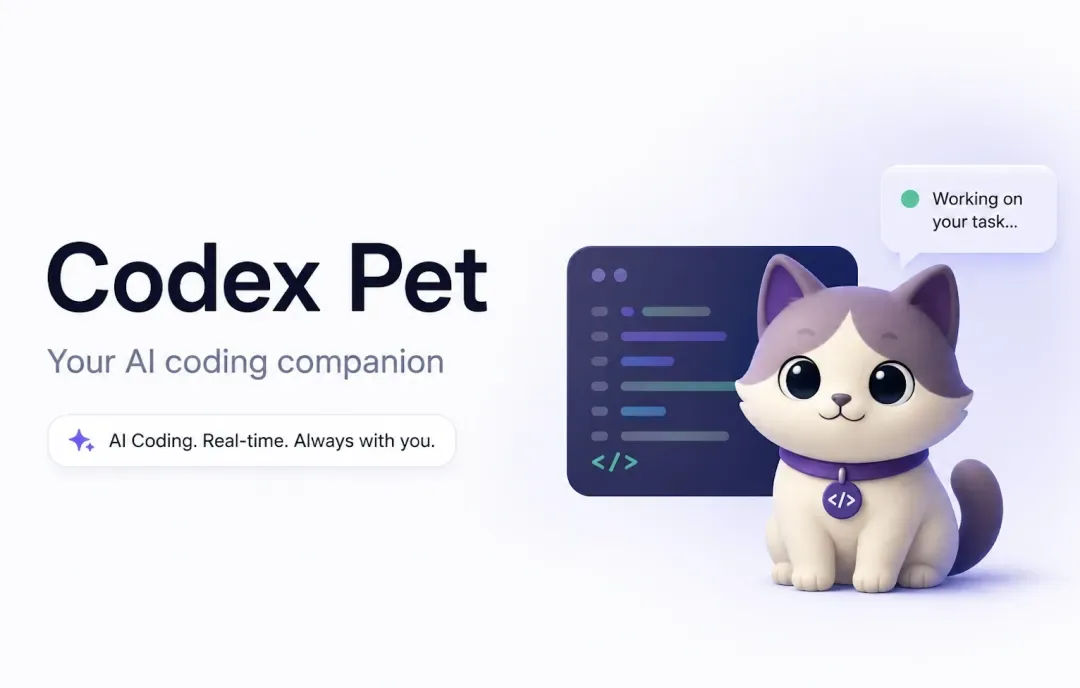
A key contrast: Codex’s pet is an official preset feature (users can only change its appearance), whereas Claude Code’s pet is entirely written by users through mods. The official documentation explicitly warns that mods have the same machine access permissions as Claude Code itself, and users should only install mods from trusted sources.
Practical Recommendations for Readers

- Users who should try it now: Developers with a TypeScript foundation who want to personalize their workflows or have specific needs around experiencing AI reasoning processes firsthand can try existing mods or use “help me write a mod” to have Claude auto-generate one.
- Users who should wait: Enterprise deployments should carefully review the admin control documentation, as mod permissions are equivalent to malicious packages. Teams with strict requirements for stable production environments should wait for further community validation.
Final Thoughts
Anthropic’s approach has fundamentally changed the starting point of mod culture: rather than players cracking the system and the official team passively embracing it, the official team proactively handed over the box of building blocks. Whether a sustainable value proposition remains for builders after the initial wave of technical curiosity fades will determine the true boundaries of this “Minecraft for programming.”