
Three Hardware Launches: Canon’s New Camera and HP Workstation Take Center Stage
Between September 15 and 16, the tech world saw a concentrated wave of product updates: Canon announced the full-frame mirrorless camera EOS R8 Mark II (priced at ¥9,999), HP introduced the mobile workstation ZBook Ultra G3a 16 (expected to launch in October, with HP listing the device at $7,449 in their local AI value calculator), 影石 unveiled the AI lavalier microphone Mic Pro 腾讯会议版 (priced at ¥698); OpenAI announced that GPT-5.5 will be fully retired on October 14, requiring users to switch to newer versions.
- Canon EOS R8 Mark II: Announced on September 16, priced at ¥9,999, available now
- HP ZBook Ultra G3a 16: Launching in October, HP lists the device at $7,449 in their local AI value calculator, pre-orders not yet open
- 影石 Mic Pro 腾讯会议版: Announced on September 16, priced at ¥698
- OpenAI GPT-5.5: Officially retired on October 14, covering all ChatGPT account types
Camera and Workstation: Performance Specs Underscore a Practical Positioning
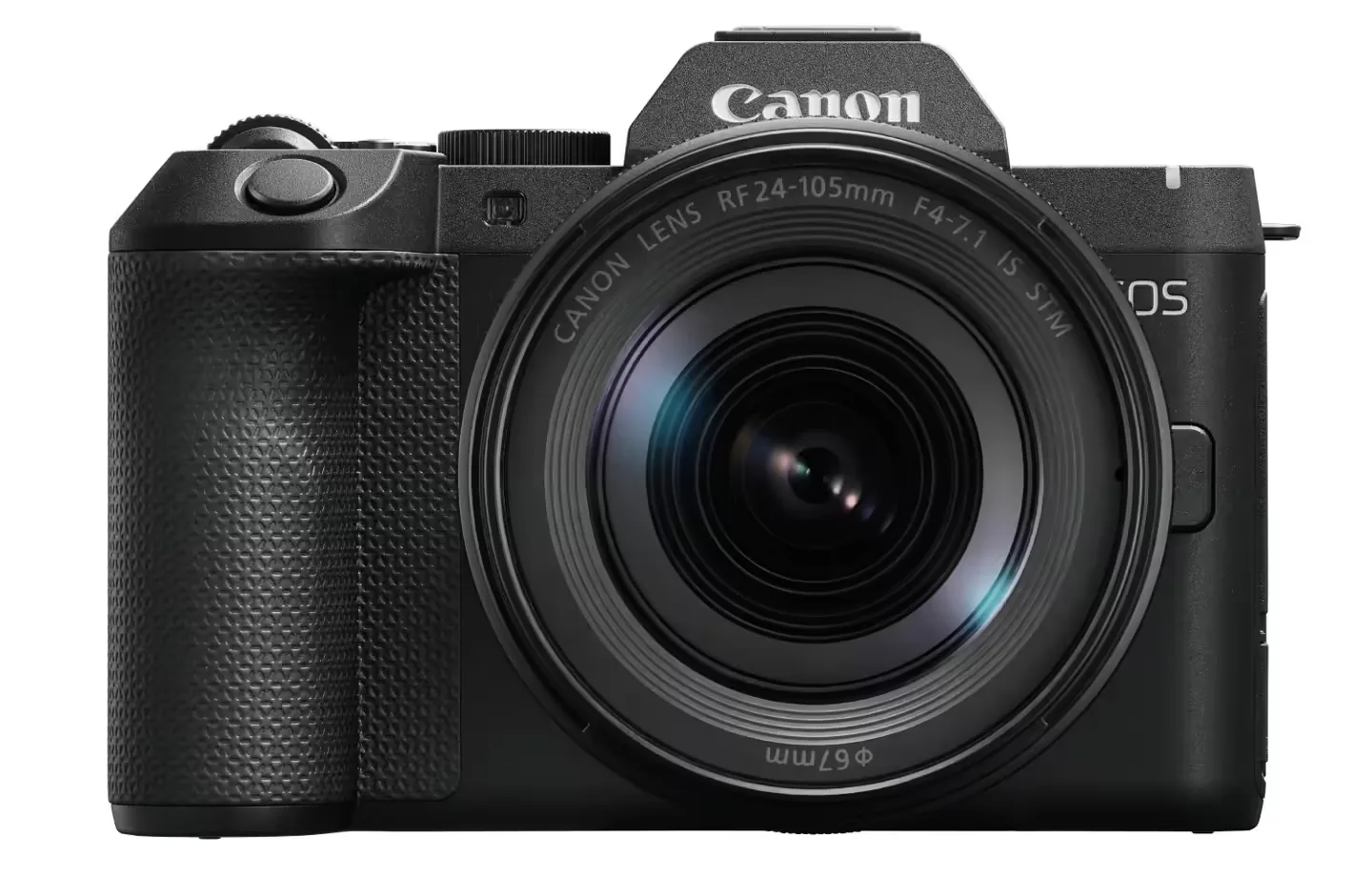
The Canon EOS R8 Mark II is equipped with the same approximately 24.2-megapixel full-frame CMOS sensor and DIGIC X image processor as the EOS R6 Mark II. Weighing in at only about 546 grams, it ranks among lightweight full-frame bodies, complemented by an anti-slip exterior design and a newly added multi-function control button for improved handling stability. Its standout feature is the first-ever in-body five-axis image stabilization in the R8 series, which, combined with RF lens IS stabilization, achieves up to 7.5 stops of compensation—a critical advantage for photography enthusiasts who prioritize portability but still need high shutter speeds.
In terms of burst shooting, the electronic shutter mode reaches 40 fps, while the electronic first-curtain shutter delivers 6 fps. A new “pre-burst” function has been added: it automatically captures 0.5 seconds of footage before the shutter is pressed, significantly improving the hit rate for decisive moments. For autofocus, the second-generation Dual Pixel CMOS AF integrates deep learning technology, achieving a minimum focusing light level of EV -7.5, substantially improving the framing experience in low-light conditions.
For image style support, two new film filters—Negative and Positive tone—have been added with 11 levels of intensity adjustment, allowing styled effects to be applied directly to JPEGs or video footage straight out of camera. The Creative Auto function targets beginner users, automatically optimizing parameters in complex lighting situations such as high-contrast and backlit scenes. Video capabilities retain 6K oversampled 4K 60P and 180P slow-motion recording, with support for Cinema View 2.35:1 widescreen direct output.
The HP ZBook Ultra G3a 16, on the other hand, targets mobile AI workstation scenarios. It is powered by the AMD Ryzen AI Max PRO 400 Gorgon Halo processor, supporting up to 192GB of unified memory, of which 160GB can be allocated as VRAM, reportedly enabling local execution of large language models with up to 300B parameters. The machine starts at just 1.9 kg (4.2 lbs) with a thickness of 17.9mm, supports 100W performance output and 5G cellular connectivity. It comes pre-installed with a local agent based on Perplexity technology and is compatible with design software ecosystems including Autodesk Revit 2027, 3ds Max, and Enscape.
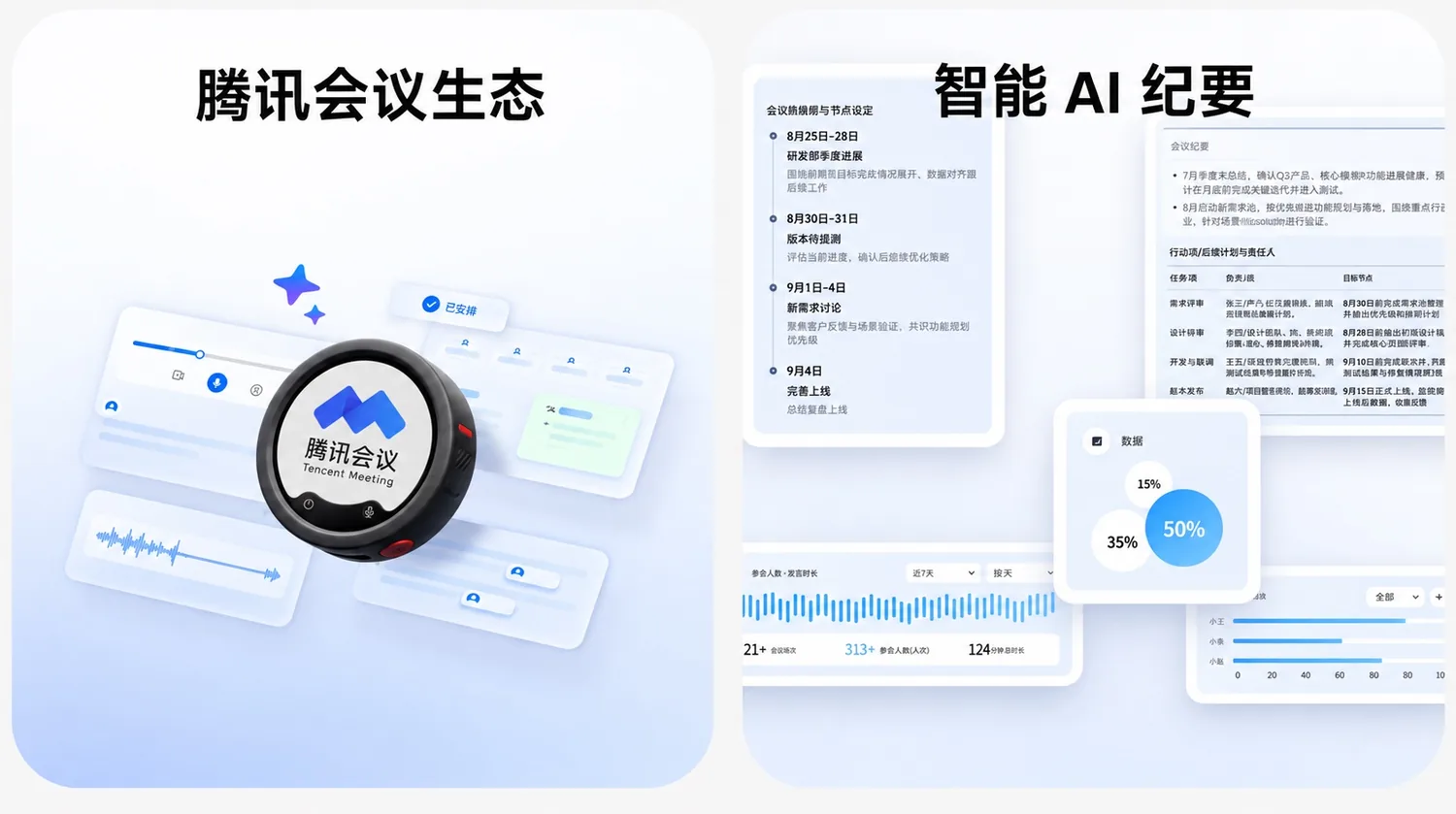
The 影石 Mic Pro 腾讯会议版 is positioned as a professional meeting recording tool, weighing just 19 grams, with dual clip-on and magnetic wearing modes. Its built-in three-microphone array delivers an effective pickup radius of 5 meters, with a maximum battery life of 9.5 hours per charge. A 5-minute fast charge yields 1.5 hours of continued recording, and 32GB of local storage supports over 1,000 hours of audio. It features an e-ink display that can be customized to show identity information and logos, enhancing professional recognition during meeting recordings.
Price and Model Comparison
| Product | Release Date | Price | Availability | Core Specs |
|---|---|---|---|---|
| Canon EOS R8 Mark II | 2026-09-16 | ¥9,999 | Available now | 24.2MP full-frame CMOS, 7.5-stop coordinated stabilization, 40 fps burst |
| HP ZBook Ultra G3a 16 | 2026-09-16 | HP lists the device at $7,449 in their local AI value calculator | October 2026 | AMD Ryzen AI Max PRO 400, 192GB unified memory, local support for 300B models |
| 影石 Mic Pro 腾讯会议版 | 2026-09-16 | ¥698 | — | 19g weight, 3-mic array, 5m pickup, 32GB storage, 9.5-hour battery life |
Software and Service Adjustments: GPT-5.5 Retirement Triggers Migration Needs

OpenAI confirmed on September 15 that GPT-5.5 will be fully retired from ChatGPT, ChatGPT Work, and Codex on October 14, covering all subscription plans. The model was launched on April 24 of this year, with a focus on token consumption optimization—using fewer tokens than GPT-5.4 for the same tasks. No detailed replacement plan was specified post-retirement; Codex users were simply advised to switch to GPT-5.6 Sol or GPT-6 Astra. This retirement is part of a routine iteration cycle, as GPT-5.5 has been available for less than six months since its release, indirectly reflecting OpenAI’s accelerating model update cadence.
User Adoption Recommendations
- Photography enthusiasts: If you already own R-system lenses and value portability, the R8 Mark II’s lightweight build and coordinated stabilization offer exceptional value for money. For intensive video creation, evaluate whether the 6K-to-4K crop logic meets your final output needs.
- Local AI practitioners: The ZBook Ultra G3a 16’s 192GB memory architecture makes teaching and lightweight model testing feasible, but the starting price of $7,449 approaches that of high-end desktop replacement solutions. It’s advisable to confirm AT acceleration library compatibility before making a decision.
- Frequent meeting note-takers: The Mic Pro 腾讯会议版 is well-suited for professionals deeply integrated into the Tencent ecosystem, but if you need cross-platform (DingTalk/Feishu) transcription or have privacy-sensitive use cases, verify whether the localized storage capabilities meet compliance requirements.
Final Thoughts
These three new products illustrate a clear trajectory among hardware manufacturers—shifting from “spec stacking” to “scenario adaptation”: Canon brings stabilization and intelligent automation to lightweight full-frame, HP reimagines the possibilities of local AI through its memory architecture, and 影石 transforms a recording device into an external node for meeting systems—the ultimate value of hardware is increasingly determined by how well it integrates into existing workflows. Meanwhile, GPT-5.5’s rapid retirement also serves as a reminder: model lifecycles are accelerating, and the openness and migratability of integration approaches matter more than the parameters of any single version.