
Core Event Summary
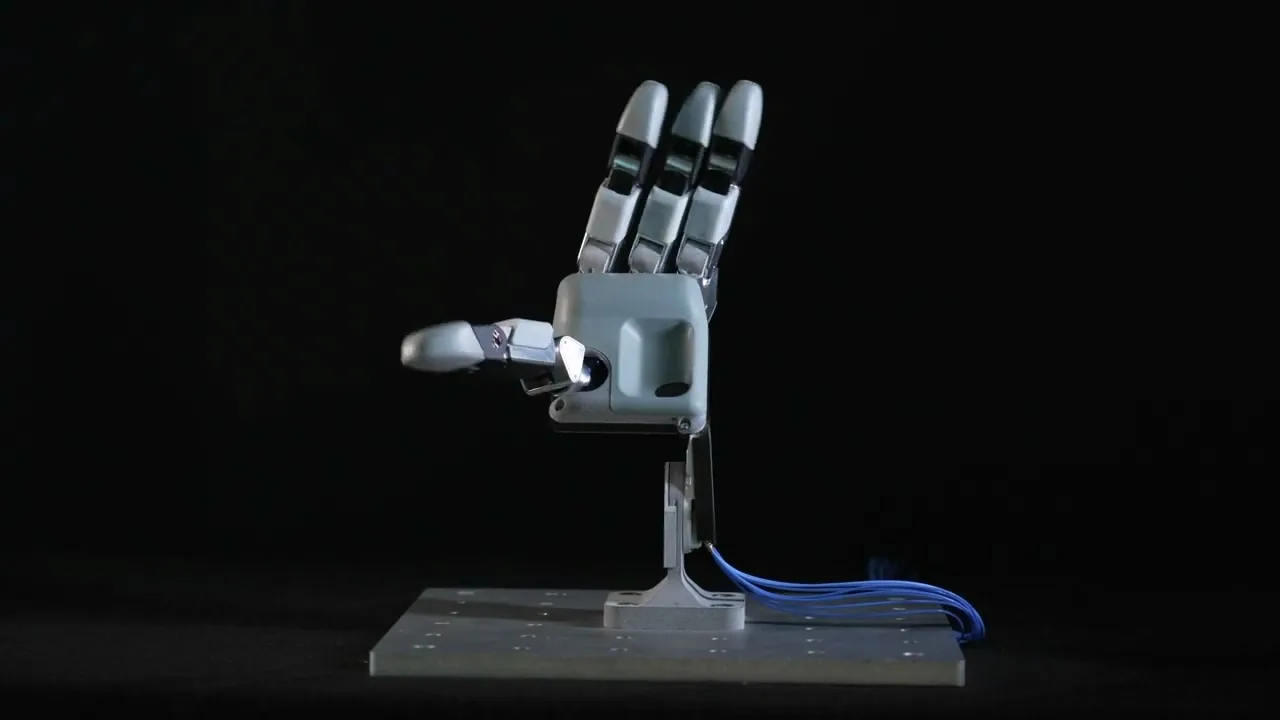
Boston Dynamics and the Hyundai Motor Group simultaneously announced major progress on October 1, 2026: the Atlas humanoid robot has been upgraded with a 13-degree-of-freedom hand and has entered Hyundai’s U.S. mega-factory for on-site training.
- Announcement date: October 1, 2026 (official announcement date)
- New version: Atlas robotic hand, degrees of freedom increased from 7 to 13
- Location: Metaplant America campus near Savannah, Georgia, USA
- Current stage: In the training phase via teleoperation, not yet in mass production deployment
- Deployment plan: Hyundai plans to deploy 25,000 Atlas units + a factory with 30,000 units/year capacity
- Source reliability: Information comes from official announcements; authoritative source
Technical Upgrades and Training Status
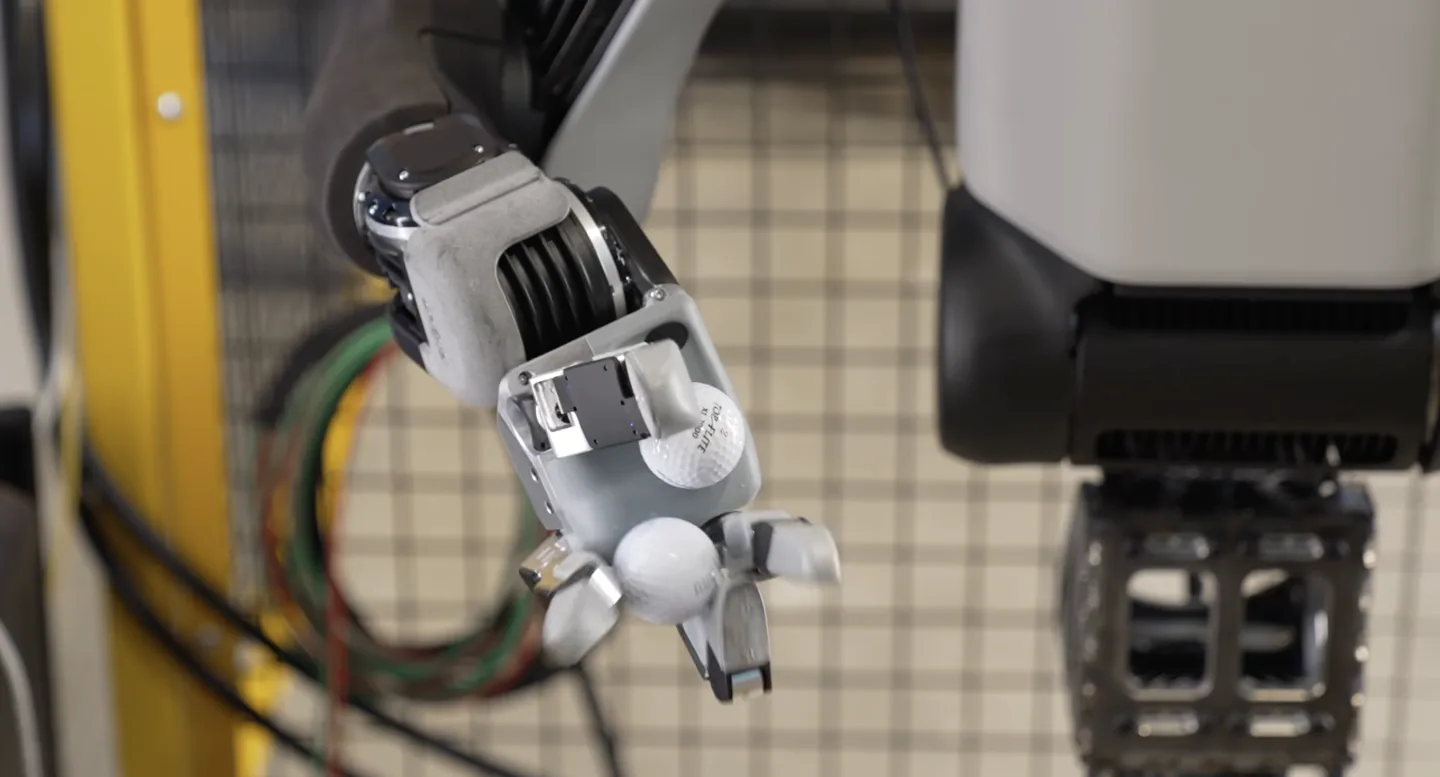
This upgrade focuses on Atlas’s end effector—the robotic hand. Degrees of freedom (DoF) is a core metric for measuring robot dexterity, referring to the number of independently movable directions or joints in a system. The new hand adopts a configuration of one thumb plus three additional fingers, boosting the total degrees of freedom by 6, thereby enhancing multi-dimensional manipulation capability.
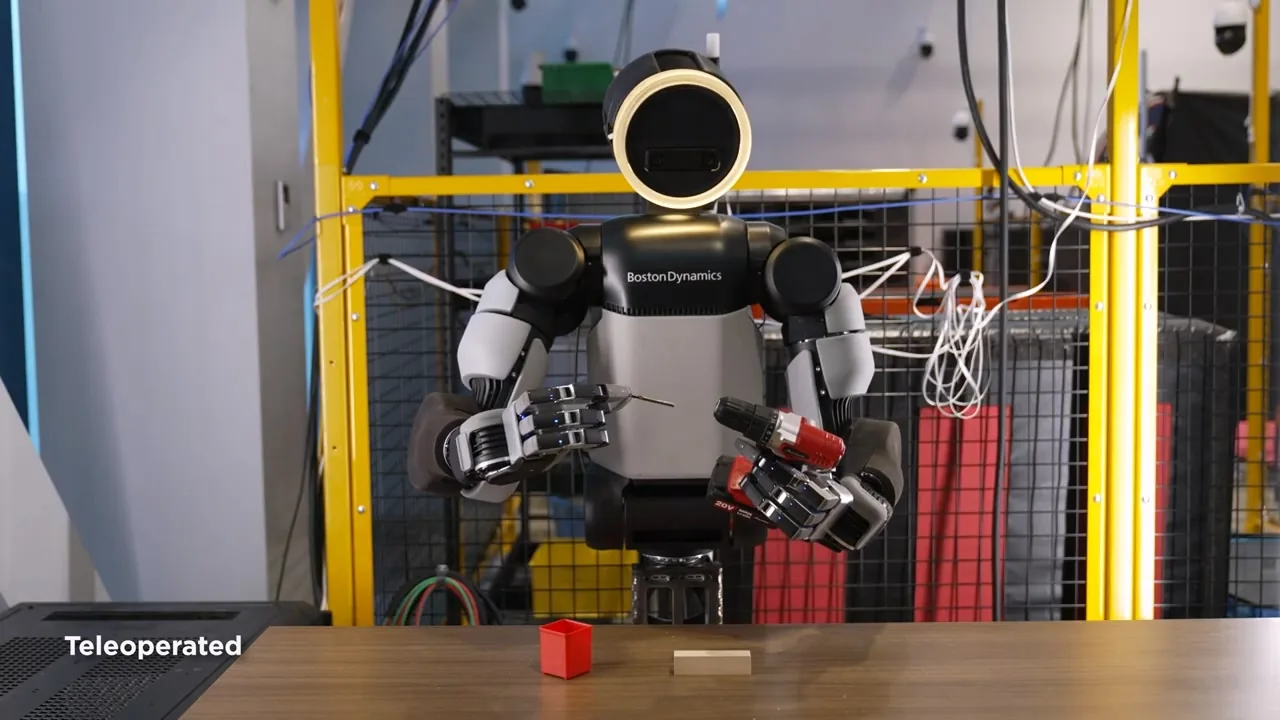
Boston Dynamics stated that the added degrees of freedom allow the hand to simultaneously perform more independent joint actions, significantly expanding the potential for operating complex tools. In the official demonstration, the upgraded hand completed three key tasks: operating a power drill, carrying two golf balls simultaneously in one hand, and tightening screws. Notably, the team explicitly abandoned the design approach of adding a 5th finger—while it could further improve dexterity, it would require restructuring the underlying mechanism and exacerbate energy consumption. This trade-off reflects a pragmatic engineering decision grounded in real-world constraints.
Concurrently disclosed training updates show that the 25,000-unit deployment plan has begun on-site testing and validation: the Robot Metaplant Application Center (RMAC) serves as the testing and training base, where trainers guide Atlas through task execution via teleoperation. Hyundai and Boston Dynamics view this as the starting point for “enterprise-grade physical AI,” with the goal of directly integrating Atlas into the automotive manufacturing process.
Key Data Comparison: Robotic Hand DoF Evolution
| Version | Degrees of Freedom (DoF) | Finger Configuration | Demonstrated Capabilities |
|---|---|---|---|
| Previous | 7 | Unspecified (presumed 4 fingers) | Basic grasping and carrying |
| Upgraded | 13 | 1 thumb + 3 fingers | Drill operation, dual-ball carry, screw tightening |
|^ This table is strictly based on parameters disclosed in the announcement; no unmentioned capabilities have been added |
Practical Recommendations: Who Should Follow Up, Who Should Wait and See
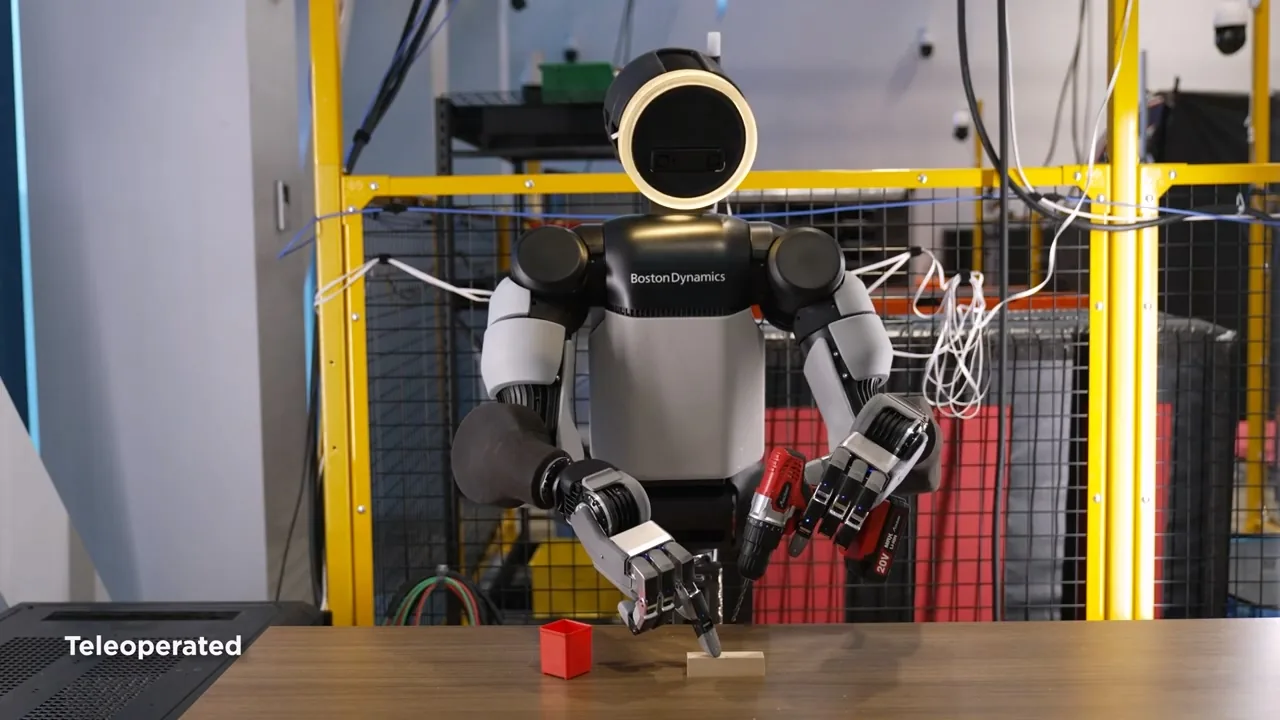
Those who should pay immediate attention: Automotive manufacturers, heavy industry integrators, logistics automation providers—Atlas is already conducting teleoperation testing in a real production-line environment, and its engineering evolution path clearly points toward industrial scenarios. Hyundai’s planned scale of 25,000 units sends a definitive industry signal.
Those advised to observe cautiously: Small and medium-sized manufacturers, scattered R&D teams—the current deployment is at the “testing + early capacity ramp-up” stage. The factory with 30,000 units/year capacity has not yet been built or commissioned, meaning stable supply cannot be established in the short term. Complex tool operation demonstrations remain limited to teleoperation mode, and no progress on autonomous decision-making capability has been disclosed.
Final Thoughts
Boston Dynamics’s decision to anchor Atlas’s first large-scale application in an automotive manufacturing setting reflects how humanoid robots are shifting from lab demonstrations toward solving real workstation pain points. The pragmatic trade-offs embodied in the 13-DoF hand mark a new stage where the industry prioritizes engineering deployment and cost control side by side.