
Core Events and Key Facts

On October 3, 2026, AWS CEO Matt Garman published a signed blog post on TechCrunch, formally announcing that the company has stopped using non-disclosure agreements (NDAs) in government project collaborations. This move is a direct response to the groundswell of data center backlash sweeping across the United States. The key facts are as follows:
- AWS has stopped signing NDAs in government project partnerships;
- Garman’s blog post debunked four common misconceptions about data centers;
- Over 100 data center construction projects across the U.S. have been temporarily halted;
- New York State announced a one-year permitting moratorium on large-scale data centers;
- Garman pledged that AWS has invested over $1 billion cumulatively in communities hosting data centers over the past three years.
Trust Crisis and Industry Contrast
Garman’s statement cuts straight to the heart of the current data center controversy — a lack of transparency. Environmental activist Erin Brockovich points out that the top complaint from communities is precisely the lack of information transparency. Common patterns include: “projects being announced only after permits are already approved, developers not returning public phone calls, and local officials signing NDAs before neighbors are even informed.” This pattern has fueled public suspicion, forcing both New York State and the federal government to hit the pause button.
A striking contrast in the data stands out: Garman claims that AWS’s self-owned electromechanical equipment “almost never runs,” operating only about 10 hours per year (primarily for permit-required testing and maintenance), with an idle rate of 99.9%. Yet, a recent report from the largest grid operations oversight body in the U.S. identifies data centers as the primary driver of a 76% year-over-year increase in electricity prices within that grid region — even with prolonged idle states, their grid interconnection and peak load still place enormous strain on the power grid. This reveals the gap between corporate-claimed “low operating rates” and the “high infrastructure burden” borne by communities.
Garman also responded to four major criticism points:
- Water consumption: AWS states that direct water usage from data centers accounts for only 0.5% of total U.S. industrial water consumption, far below traditional sectors such as golf courses and almond farming;
- Electricity price impact: Garman argues that rate increases are largely due to aging grid infrastructure that hasn’t kept pace with expansion, rather than data centers themselves;
- Pollution emissions: He notes that generator permit emission caps (such as the Texas project’s permitted 33 million tons/year of CO₂) do not equate to actual emissions;
- Community returns: Beyond ceasing the use of NDAs, AWS has contributed over $1 billion cumulatively in data center–dense regions over the past three years.
It is worth noting that scientists point out the current lack of unified regulation requiring tech companies to disclose water and energy data, meaning that corporate self-reported figures urgently need independent verification.
Regulatory and Industry Impact
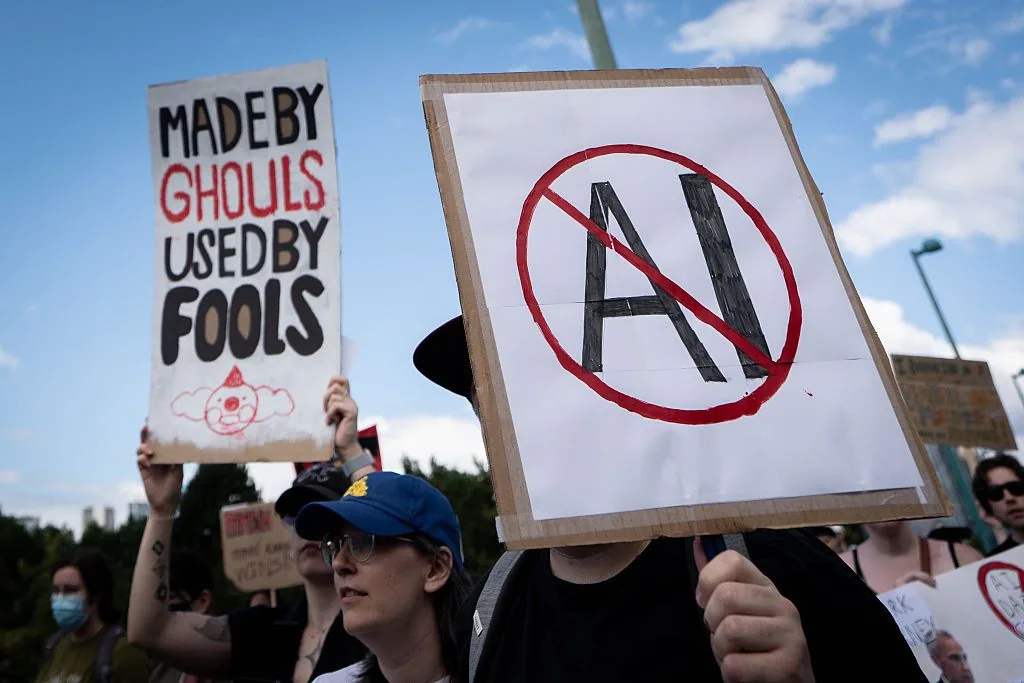
New York’s moratorium has created a landmark demonstration effect. As of early October 2026, more than 100 jurisdictions across the U.S. are considering implementing similar restrictions. Garman warned that if such measures are fully implemented nationwide, the U.S. may “sign its own losing ticket in this competition,” with consequences that will reverberate for generations.
Furthermore, industry watchdog organizations note that new data center load on the North American power grid has far exceeded expectations. Independent researchers are calling for the establishment of mandatory federal or state-level environmental impact reporting requirements to break the current stalemate of corporate data opacity. NVIDIA recently claimed that its new cooling system could “essentially eliminate water usage” in data centers, but critics note that this assertion overlooks the embodied water consumption in power generation and chip manufacturing.
Advice for Readers
- If your community is considering a data center project, you can cite the NDA ban to advocate for information disclosure;
- Investors should focus on areas with high correlation between grid load and electricity prices (such as Texas and Virginia) — a company’s claimed “low operating rate” does not necessarily equate to “low impact”;
- Those interested in AI ethics and community governance should take note of the “trust crisis” chain articulated by Anthropic CEO Dario Amodei — when the public defaults to assuming “government and business inevitably conspire against the people,” any data correction becomes insufficient to reverse entrenched perceptions.
Final Thoughts
dataList