
Core Announcement: Arm’s AI-Native Compute Strategy Unfolds
On September 8, Arm unveiled its next-generation AI computing lineup at the Arm Everywhere China event in Shanghai, marking a strategic pivot from IP licensing to complete platform enablement:
- CSS for Mobile 2: First AI-native mobile compute subsystem, available immediately; includes Arm C2 CPU cluster, Mali G2-Ultra NX GPU, SIL2 interconnect, and dev tools
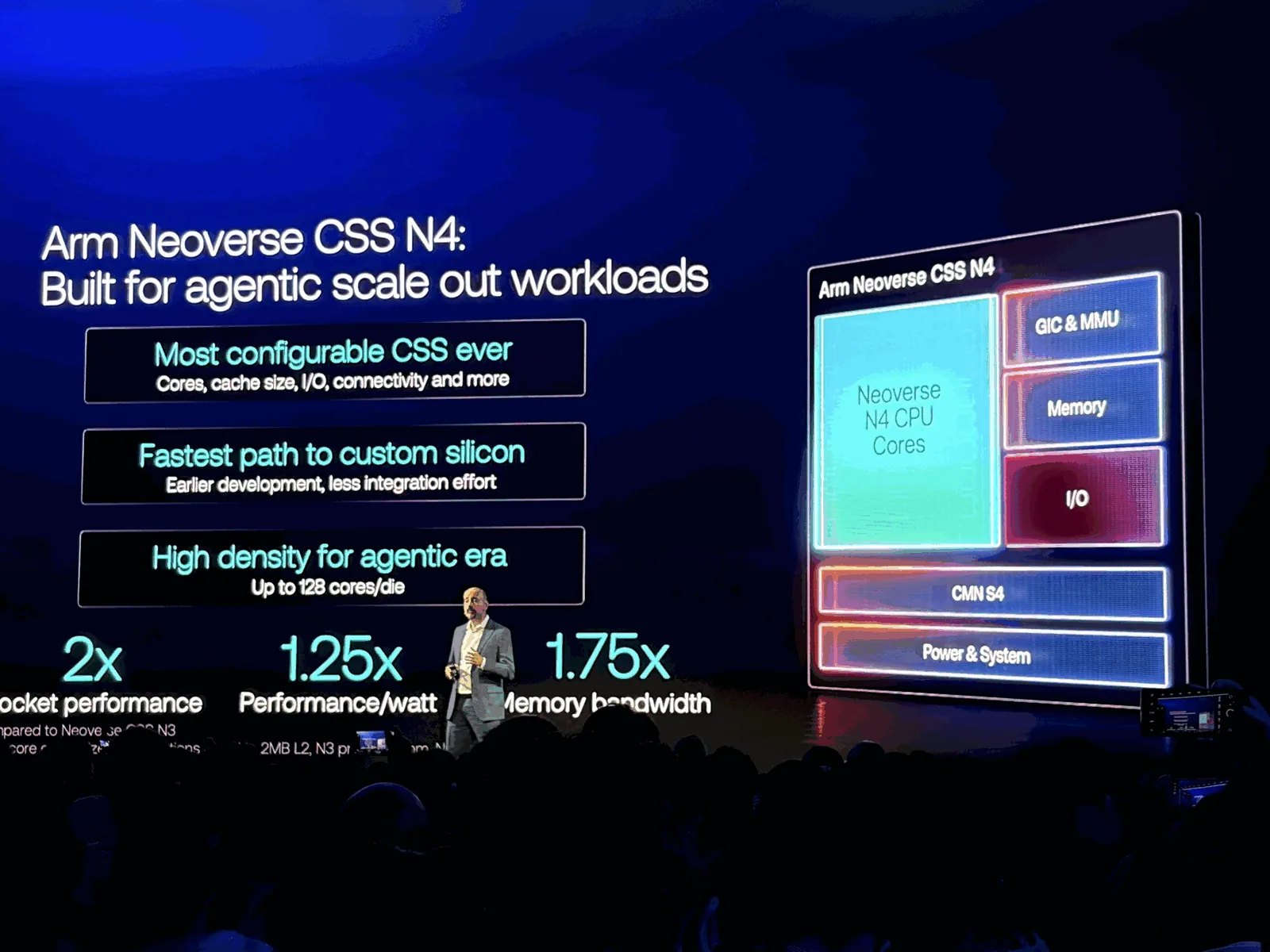
- Neoverse CSS N4: Highest configurable Neoverse CSS, supporting up to 128 CPU cores per die, LPDDR6, and PCIe Gen 7
- C2 CPU cluster: Newly introduced CPU cluster with SME2 units
- Mali G2-Ultra NX GPU: First Mali GPU with integrated neural network accelerator, frequency up to 2× GPU clock
Crucially, Arm has shifted from CPU IP-only licensing to offering full platform capabilities, allowing customers to select IP, CSS subsystems, or complete chip designs.
Three Pillars: Cloud, Edge, and Physical AI
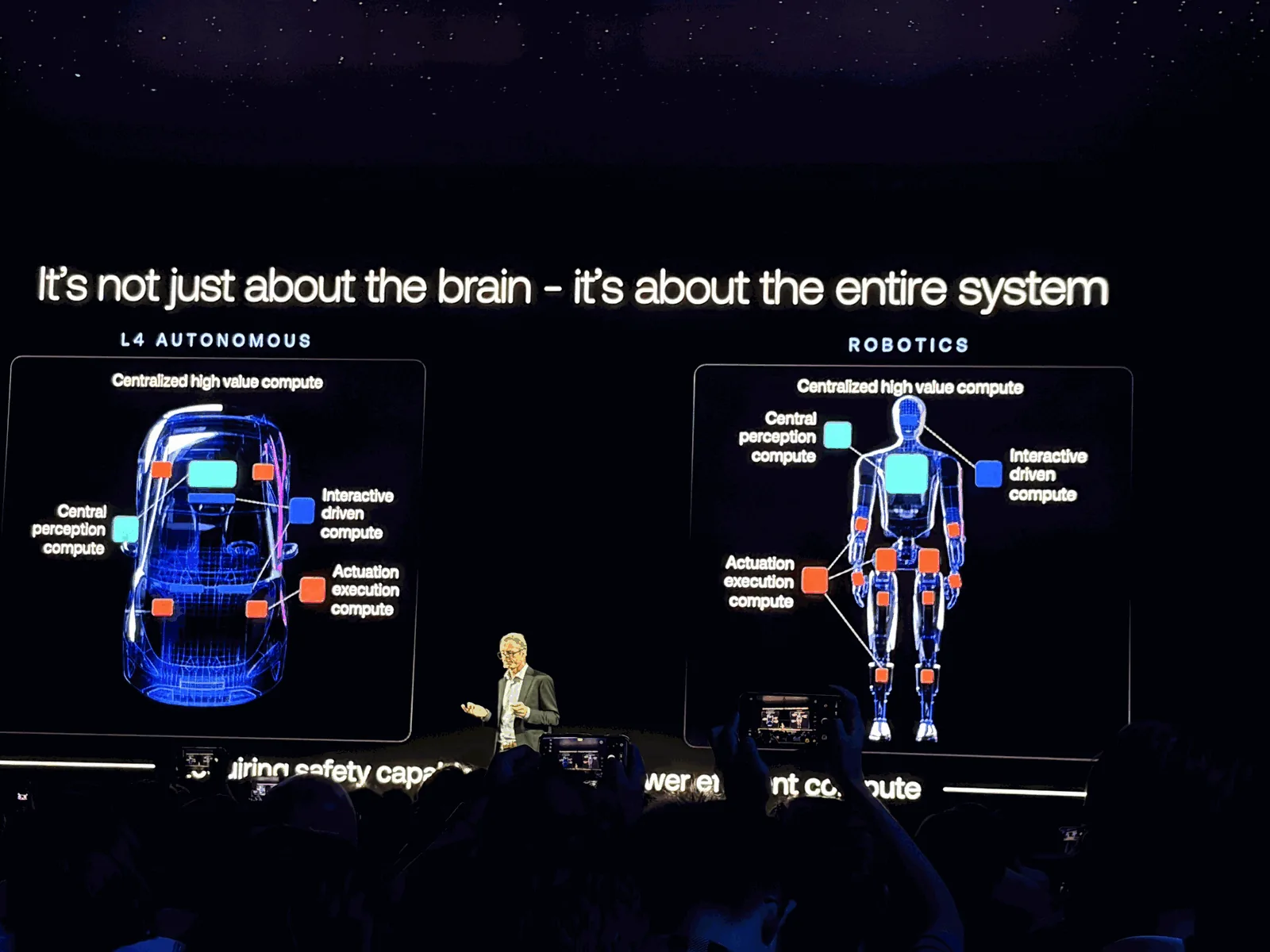
Arm explicitly divides its AI strategy into three concurrent lines, reflecting a new understanding of compute flow:
- Edge AI: Moves from reactive query-response to continuous operation—AI Agents must sustain real-time intent understanding, local data retrieval, app orchestration, and autonomous execution under power/thermal constraints
- Physical AI: Expands from automotive to robotics, sharing the common requirement of ultra-low latency from sensor input to actuator response
- Cloud AI: IDC data cited shows Arm-based rack-scale server market has surpassed x86 as the dominant accelerating computing platform
A surprising performance metric: C2-Ultra achieves only 15% single-threaded and 12% multi-threaded gains, but AI workloads gain up to 70% with 38% lower power at equal performance—confirming Arm’s shift from raw peak performance to efficiency-optimized design.
| Platform | Model | Key Upgrade | Performance/Capability Gain |
|---|---|---|---|
| Compute Subsystem | CSS for Mobile 2 | First AI-native mobile subsystem: C2 cluster + G2 GPU | Single-thread +15%, multi-thread +12%, AI model +70% |
| Compute Subsystem | Neoverse CSS N4 | Highest configurability, 128-core, LPDDR6 & PCIe Gen 7 support | Slot performance +2×, per-watt +25%, memory bandwidth +75% |
| CPU | C2-Ultra | Newly introduced CPU cluster with SME2, shared L3 | Single-thread +15%, multi-thread +12%, AI workload +70%, -38% power |
| GPU | Mali G2-Ultra NX | First Mali with integrated NN accelerator, int8/int16 | NN accelerator up to 2× GPU clock, ray tracing workload -70% |
Design Philosophy: Empower, Don’t Decide
Arm intentionally avoids predetermining compute allocation—a stark contrast to ecosystem lock-in strategies:
- NVIDIA: Locks developers into CUDA’s unified stack
- Arm: Provides an open base layer, entrusting system owners (OEMs, chip designers, software developers) to determine task placement
This philosophy manifests in key ways:
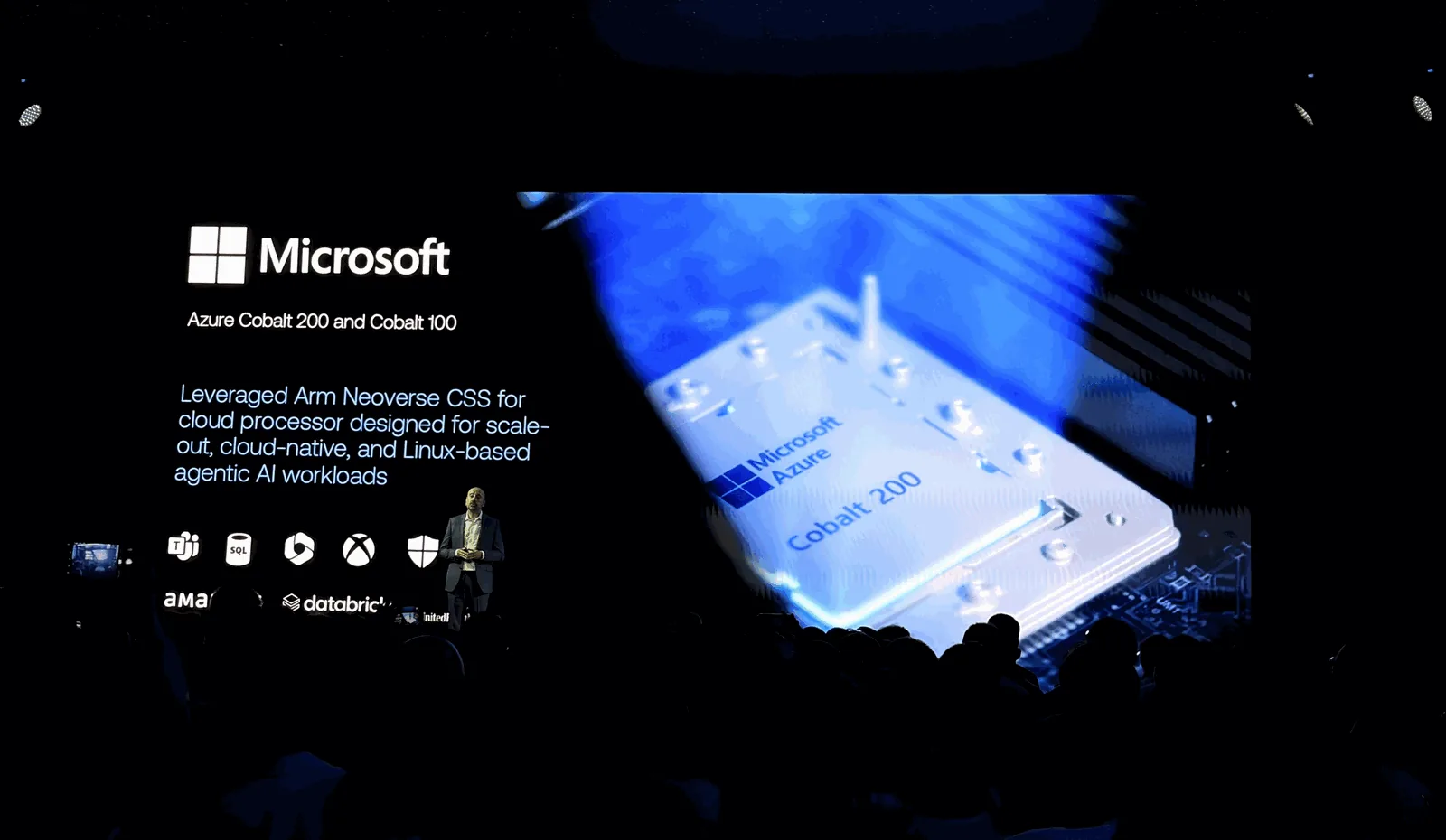
- CSS approach: Integrates fragmented IPs into an adjustably configured platform; validation includes Microsoft delivering two Cobalt CPU generations in 18 months
- SME2 instruction set: Enhanced through software ecosystem improvements to enable cross-device model portability
- Mali G2-Ultra NX: Neural accelerator integrated into graphics pipeline, models open-sourced to Hugging Face/GitHub for community-driven fine-tuning
Arm refuses to preset the CPU/GPU/NPU resource ratio—the decision remains with partners based on product strategy.
Implementation Guidance: Who Should Act Now?
Ideal for:
- Smartphone SoC vendors needing rapid AI terminal development (CSS for Mobile 2 shortens design cycles)
- Cloud providers seeking Arm-based scalable infrastructure (Neoverse CSS N4 enables density + efficiency)
- Developers leveraging optimized software tools for rapid model migration across Arm ecosystem devices
Wait for maturity:
- Projects heavily optimized for proprietary NPUs or closed scheduling frameworks (e.g., CUDA ecosystem) face migration cost assessment
- Neural graphics features require game developer adoption; quality will improve as community models on Hugging Face mature
Final Thoughts
Arm’s evolution signals that AI computing competition is shifting from compute capacity to orchestration capability. Embracing uncertainty and building adaptive foundations may prove more strategic than betting on a single future. As AI workloads flow across cloud, edge, and end devices, the platform enabling flexible coordination stands to become the foundational infrastructure of the next era.