Launch Announcement Overview
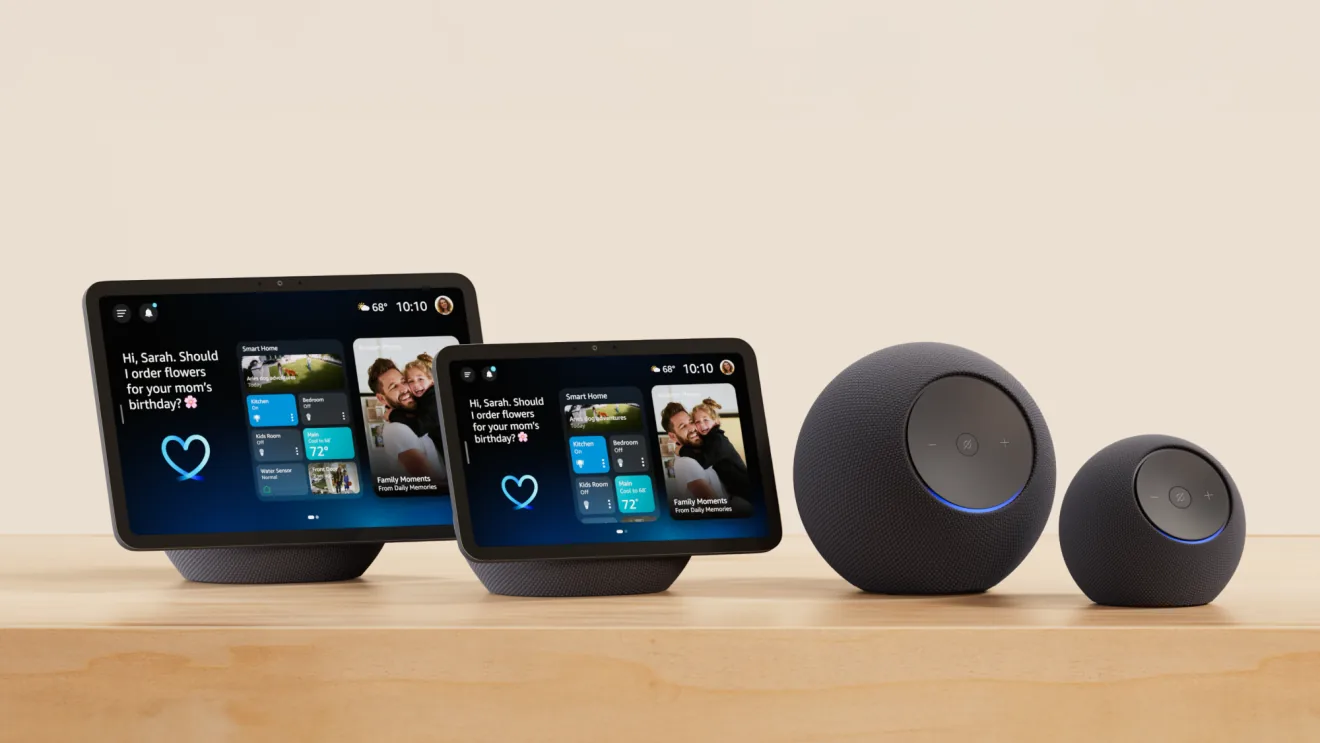
Apple will launch three key products on October 13 (local time): its first Home Hub (home control hub), the 2027 HomePod mini, and a new Apple TV. This marks the first major product expansion under new CEO John Thuyns. The core objective is leveraging the new version of Siri AI to integrate smart home devices with Apple’s existing ecosystem.
- Launch date: October 13 (local time)
- Products: Home Hub (J490 desktop + J491 wall-mount), new HomePod mini, first Apple TV update since 2022
- Key capabilities: Facial/voice recognition, multi-member household identification, deep Siri AI integration
- Pricing & availability: Not disclosed in source material
- Open weight: No clear third-party device access terms mentioned; HomeKit expansion and third-party cooperation confirmed
Home Hub: Design and Functional Details
The Home Hub is Apple’s first device designed specifically for home scenarios, featuring a ~6-inch square display. No built-in battery—external power required. The UI integrates design elements from Apple Watch, iPad, and Apple TV.
Two Version Configurations
| Version | Code Name | Screen Connection | Base Design | Use Case |
|---|---|---|---|---|
| Desktop | J490 | Circular metal base + metal arm | Round base with arm | Desktop placement |
| Wall-mount | J491 | Direct square base attachment | Thin square base | Wall installation |
The J490 desktop version resembles the 2002 iMac G4, with a screen mounted on a hemispherical base via articulating arm allowing manual tilt adjustment. The J491 wall-mount version places the screen directly onto a thin square base housing speakers and microphones. Both feature a gray aluminum casing, with thickness roughly matching iPhone. Neither supports portability—must remain plugged in.
Recognition and Interaction Logic
Devices support household member identification through voice or facial recognition, displaying personalized content (contacts, messages, calendar, notes, app layouts) based on Apple ID. Interface auto-switches when other members approach; guest mode hides personal data.
Notably, facial recognition accuracy is lower than iPhone’s Face ID. With secondary authentication enabled, iPhone can serve as verification backup; when recognition fails, iPhone acts as fallback. In low-light conditions, a virtual white ring LED around the screen illuminates to assist identification.
Only a single front-facing FaceTime camera is included (no rear camera), primarily for voice interaction and video calls. Speakers and microphones are housed in the base. No power or volume buttons are present.
Software and Content Ecosystem
Pre-installed apps include Calendar, Messages, Photos, FaceTime, Notes, Reminders, Music, and Podcasts. Messages adopts iPad-style dual-column layout (left sidebar list + right content area). Idle state displays photo slideshows or clocks—some clocks feature a “lava lamp” visual, with digital time layered over visuals. Users can swipe up from clock/photo screen to access the app launcher; long-press to adjust wallpapers, apps, and widgets.
Siri AI and Ecosystem Synergy
All three launched products rely on the new version of Siri AI system, which supports:
- Answering questions using personal user data
- Supplementing via online search
- Naturally controlling other Apple devices and smart home products
Due to repeated Siri AI development delays, the hardware launch was postponed. With the new version of Siri now live on iPhone, iPad, and Mac, Apple finally has the necessary software foundation.
Additionally, Apple is expanding HomeKit and collaborating with third-party manufacturers on devices compatible with Siri AI home platform. A privacy-focused home security camera/sensor (project J450) is in development—capable of room-level occupancy detection without video recording.
Higher-Tier Version and Future Roadmap
Beyond J490/J491, Apple is prototyping an advanced Home Hub with a 9-inch screen and mechanical arm enabling screen movement and 360° rotation. However, this project remains in early development with no confirmed release date.
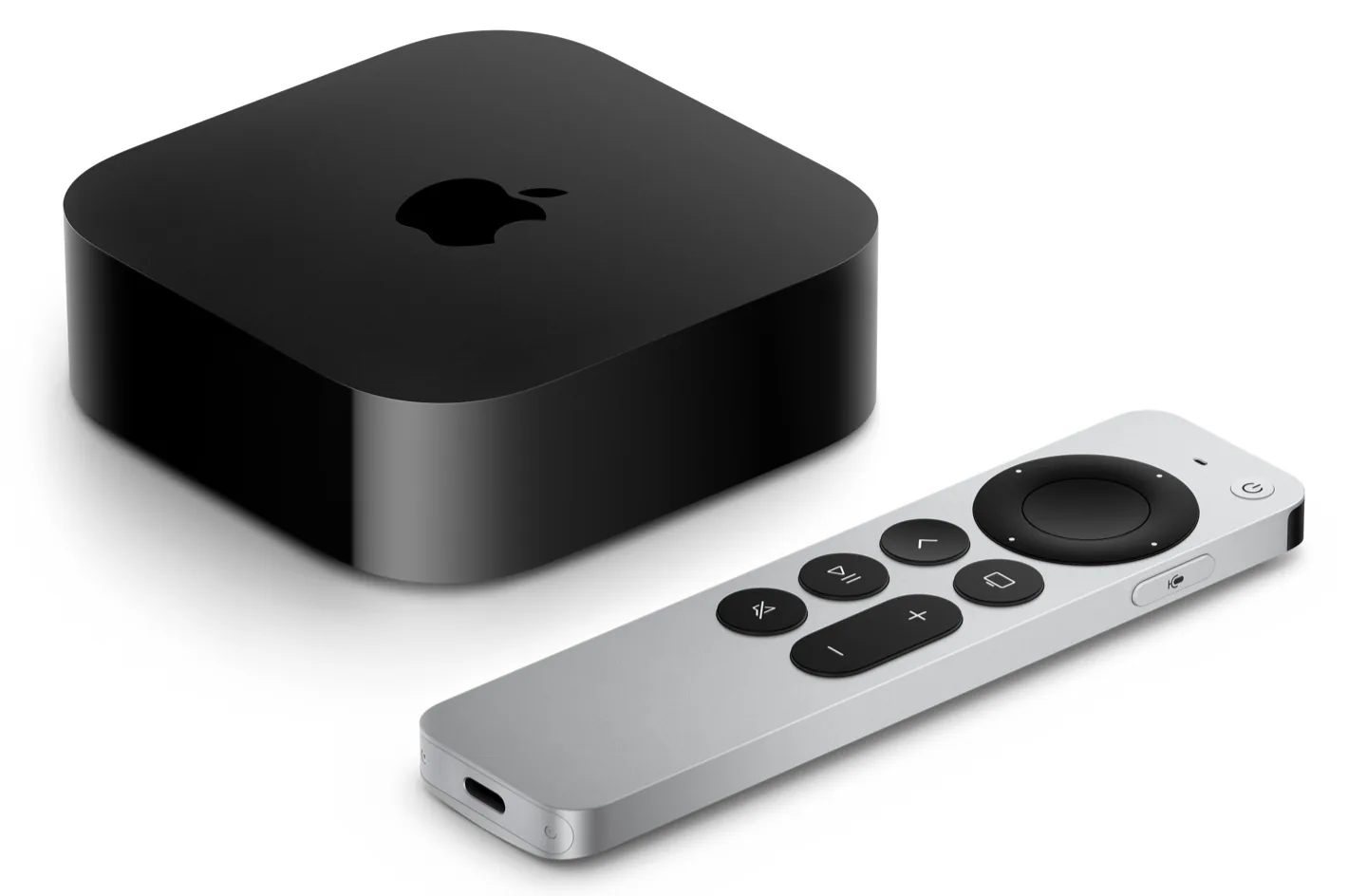
The 2027 HomePod mini will feature a new chip supporting the new version of Siri AI while retaining its existing design, with added green and pink color options. A larger predecessor is also in plans. Apple TV marks its first hardware refresh since 2022, without aesthetic changes but with upgraded processing power for the new version of Siri AI demands.
Buyer Recommendations
- Best for: Users deeply embedded in Apple ecosystem (especially iPhone + HomeKit); those prioritizing multi-room voice control and household member personalization
- Consider waiting: Users with high facial recognition accuracy requirements (current accuracy below iPhone); those preferring independent home automation platforms; scenarios requiring portability or offline operation
Final Thoughts
Apple’s Home Hub extends the new version of Siri AI from mobile to fixed home environments, strengthening ecosystem lock-in. Although entry-level recognition accuracy is somewhat compromised, the multi-device coordination and privacy-first approach reveal a strategy of controlled, measured expansion.