
Anthropic Is Missing From Personal Agents—but Not Because It Isn’t Building Them
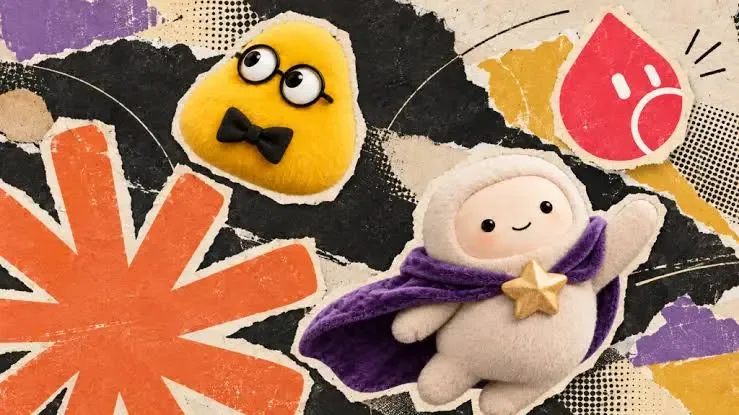
In the fall of 2026, always-on personal agents became the most crowded race, and Anthropic—the company with the best models and the deepest understanding of agents—was the only major player missing from the list.
(An always-on agent is one that keeps waking up in the background at regular intervals to keep working after you close the app.)
The hard facts are as follows:
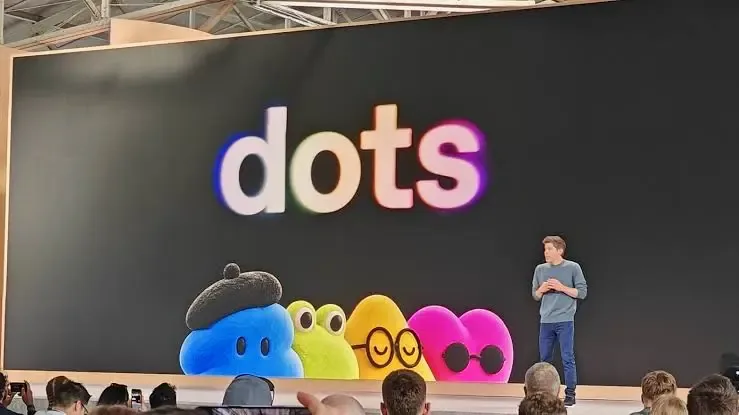
- Release timing: Meta Muse launched on September 8; OpenAI dots was released at DevDay on September 29; Anthropic’s comparable capability, Claude Tag, arrived earlier, on June 23.
- Form and entry point: dots runs on GPT-6 Astra. Each dot has its own cloud computer and browser and keeps working in the background after you close ChatGPT. Muse likewise has its own cloud VM and lives directly inside WhatsApp.
- Pricing and cost: dots is locked behind the Pro and Business Premium plans. For comparison, the open-source agent OpenClaw runs a full turn every 30 minutes by default; its input tokens accumulate to about 4.8 million per day, which, at Claude Opus 5.5 list pricing, comes to about $19 per user per day.
- Market performance: Apptopia estimates that in the 12 days after Muse launched, it reached about 2.8 million installs across platforms and briefly hit No. 1 on the U.S. App Store overall chart.
- Whether the weights are open: The source material does not address model weights.
(A token is the unit models use to process text; roughly speaking, you can think of it as a “word count.”)
It Got There Before Its Rivals—It Just Didn’t Make a Digital Pet
Anthropic isn’t incapable of making an always-on agent; it just didn’t package it as a “personal alter ego.”
Claude Tag lives inside Slack channels. Each channel has only one shared Claude, with its own identity and memory; anyone can see what it’s working on, and work assigned by colleague A can be carried forward by colleague B. When no one is asking questions, it proactively offers suggestions and follows up on threads that have gone quiet. Anthropic’s own figure is that 65% of the code from the company’s product team comes from an internal version of Claude Tag.
An earlier clue was Conway. On March 31 this year, Anthropic accidentally exposed about 512,000 lines of Claude Code source code because of a packaging error. Hidden inside was an agent environment separate from the chat interface, one that could be awakened by scheduled tasks and external events and could control a browser and connect to various tools. In the months that followed, new icons for a Conway tab kept showing up in test builds of the iOS Claude app.
The real dividing line is where you put the agent and whom you sell it to: OpenAI and Meta sell a companion with a name, a face, and the ability to book restaurants and buy things for you; Anthropic sells a colleague who sits beside your desk and picks up the work.
The most striking contrast shows up in the books. **About 80% of Anthrop