Core Event: Gainsborough Chip Uncovered in Driver Files
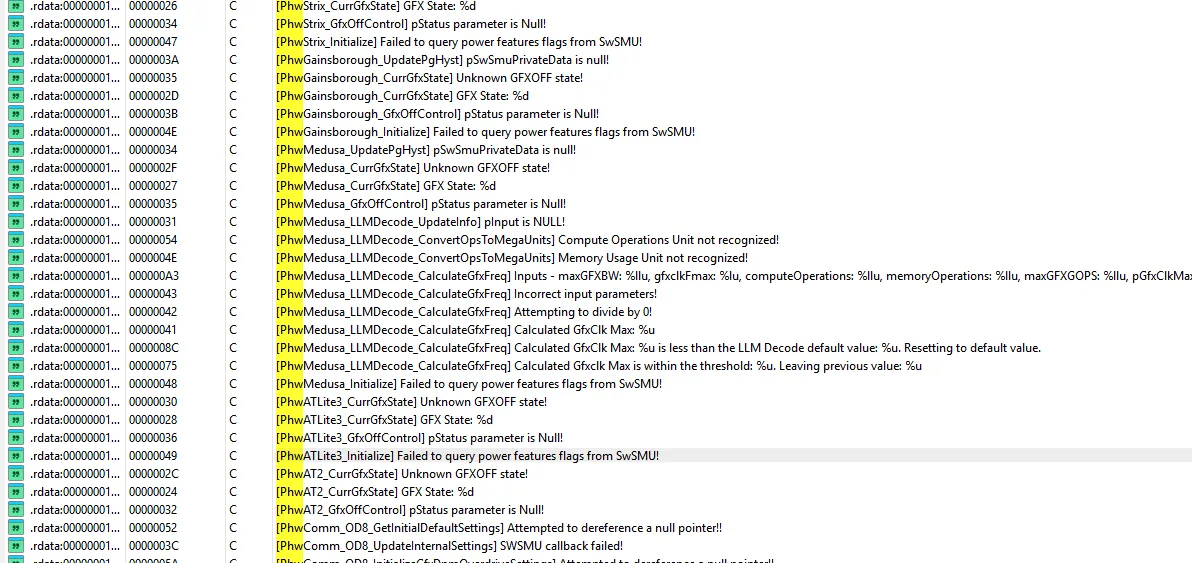
On September 29, 2026, AMD released Adrenalin driver version 26.9.2, which contained an unknown chip codename “Gainsborough” in its Import/Export database files. Cross-referencing with NBD Data’s customs import/export records revealed that test devices shipped with the Gainsborough chip were dispatched multiple times from Asia in late July 2026. Gainsborough uses a BGA FF6 package with 1,179 contacts.
- Driver release date: September 29, 2026 (Japan time)
- Chip codename: Gainsborough
- Package type: BGA FF6
- Contact count: 1,179
- First shipment: Late July 2026
- Design team: AMD S3 team (previously involved in PlayStation-related chip development)
Technical Specifications and Strong Steam Deck 2 Connection
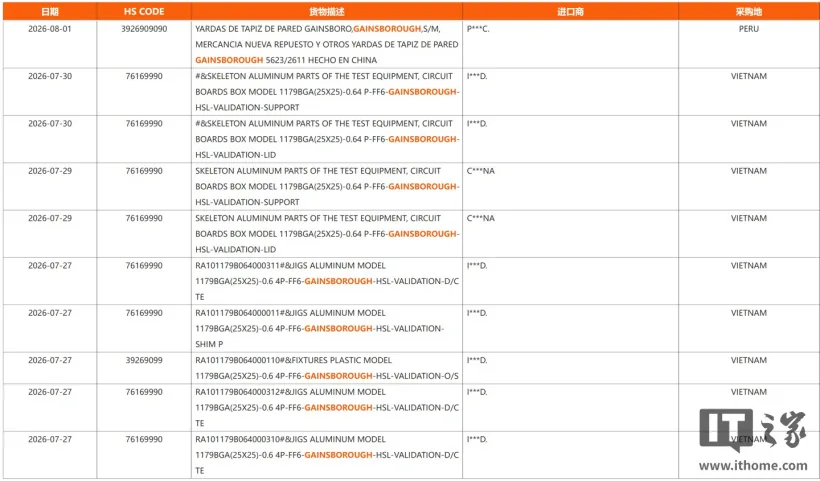
Blogger Moore’s Law is Dead noted that Gainsborough’s packaging specifications closely match those of the custom APU currently in the Steam Deck OLED (codenamed Van Gogh). Additionally, leaker Kepler_L2 pointed out that “Gainsborough” is precisely the surname of the character “Aerith Gainsborough” from Final Fantasy 7. Steam Deck series APU naming follows this theme: the original model uses “Aerith,” OLED version uses “Van Gogh,” and Gainsborough completes the reference to the character’s full name.
Notably, Gainsborough appeared in Windows driver files without any functional activation. Industry speculation suggests it is used purely for testing purposes. While Valve’s Linux/SteamOS custom chips typically would not appear in Windows drivers, this “misplacement” actually supports the theory that the chip remains in the engineering validation phase.
According to combined reports from MLID and other leakers, Gainsborough was designed by AMD’s S3 team, which possesses console chip development experience. Predicted specifications include:
- Process node: TSMC N3P (low-power 3nm variant suitable for handheld devices)
- CPU: 4 to 8 Zen 6c cores (an efficiency-optimized variant)
- GPU: 12 to 24 RDNA 5 compute units
Comparison with Previous Generations and Competitors

| Feature | Steam Deck (Original) | Steam Deck OLED | Gainsborough (Predicted) |
|---|---|---|---|
| APU Codename | Aerith | Van Gogh | Gainsborough |
| Naming Theme | Final Fantasy 7 character | Artist surname (Van Gogh) | Character’s full surname |
| Package Contacts | Not disclosed | 1,179 | 1,179 |
| Package Type | Not disclosed | BGA FF6 | BGA FF6 |
| Predicted Process | 6nm | 6nm | TSMC N3P |
MLID mentioned that Sony’s PS6 handheld chip “Kynis” also uses the N3P process, while the PS6 console chip “Helix” employs the more performance-oriented but power-intensive N3C node—indicating AMD is offering differentiated solutions for varying device form factors.
Reader Recommendations: When to Watch and Wait

- Those who should watch: Current Steam Deck owners, handheld gaming enthusiasts, and AMD architecture fans. If Gainsborough is confirmed as the Steam Deck 2’s APU, the 2027 product launch will be worth watching.
- Wait and see: All current specifications derive from unverified leaks from third parties; neither AMD nor Valve has issued official confirmation. Valve explicitly stated it seeks “generational leap” rather than incremental upgrades, implying that should it launch, the new device will feature significant improvements in performance and battery life.
Final Thoughts
Valve designer Pierre-Loup Griffais stated on September 15, 2026, that the team aims for an upgrade “users can clearly perceive” while balancing price, performance, and battery life. The true challenge of this technological evolution lies not in raw specifications but in redefining handheld computing within tight thermal and power constraints—achieving meaningful performance leaps while maintaining portability remains Gainsborough’s most critical and daunting task.