Presales Open: From RMB 128,800, Here Are the Key Hard Facts First
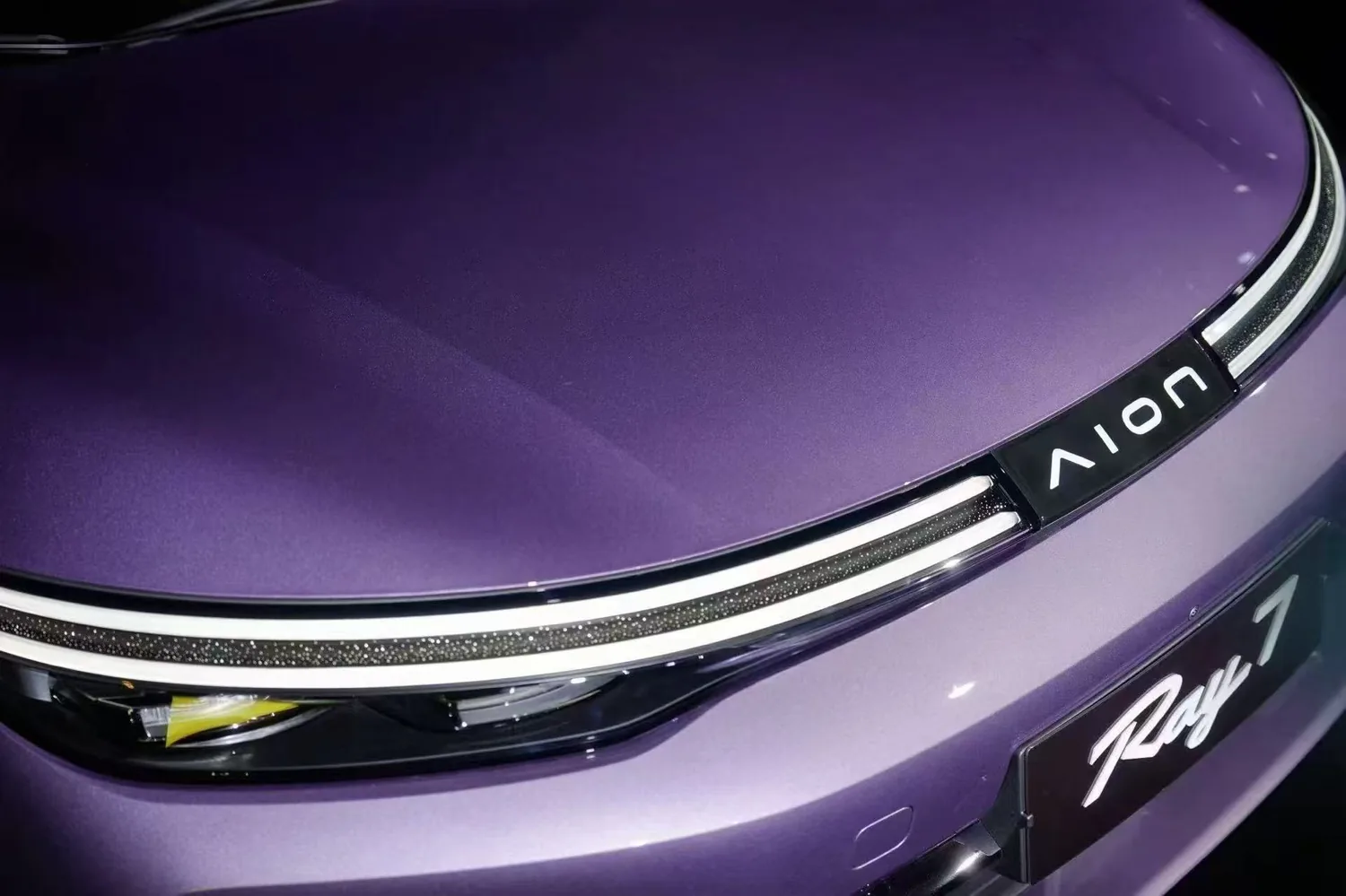
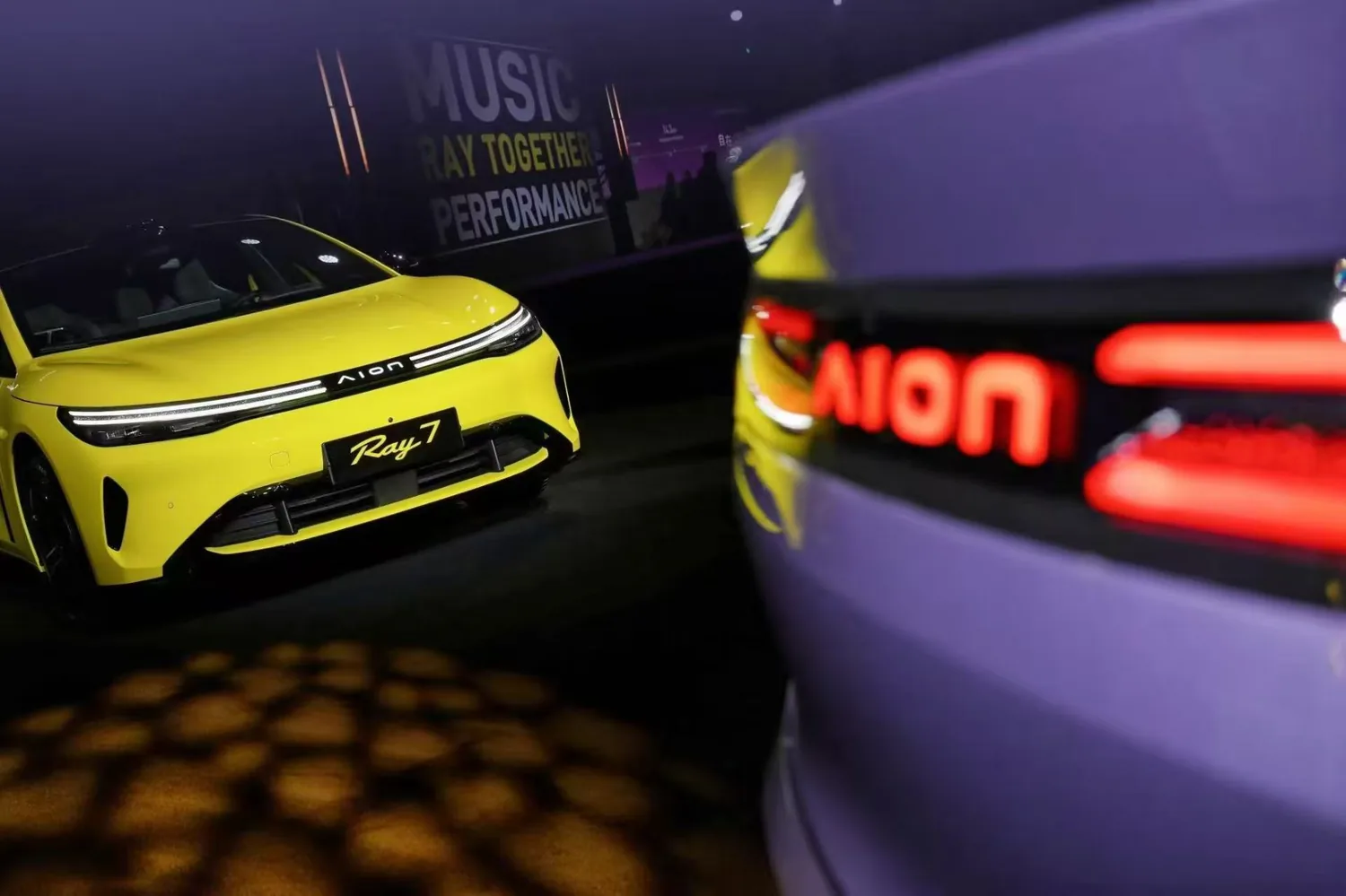
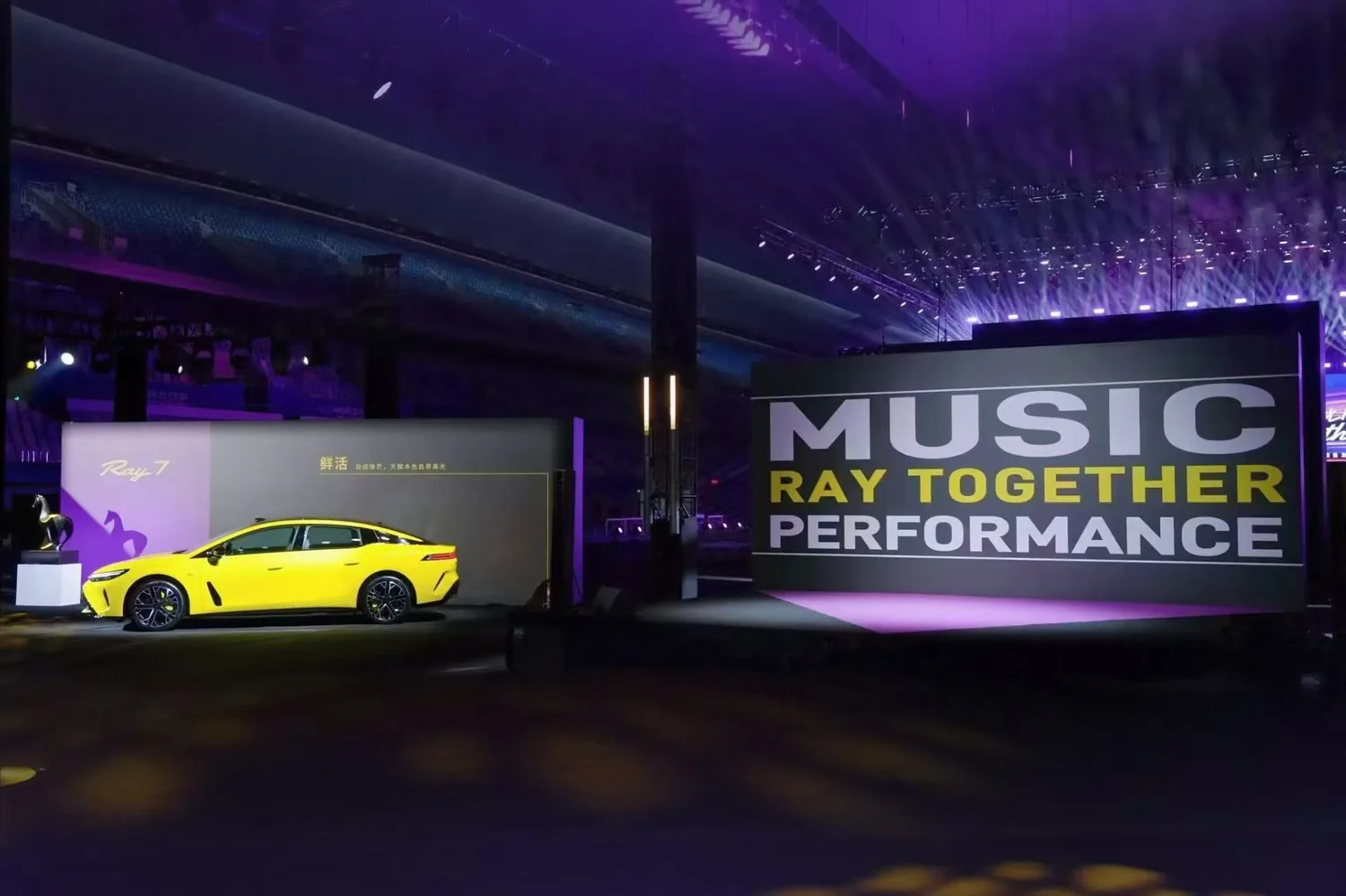
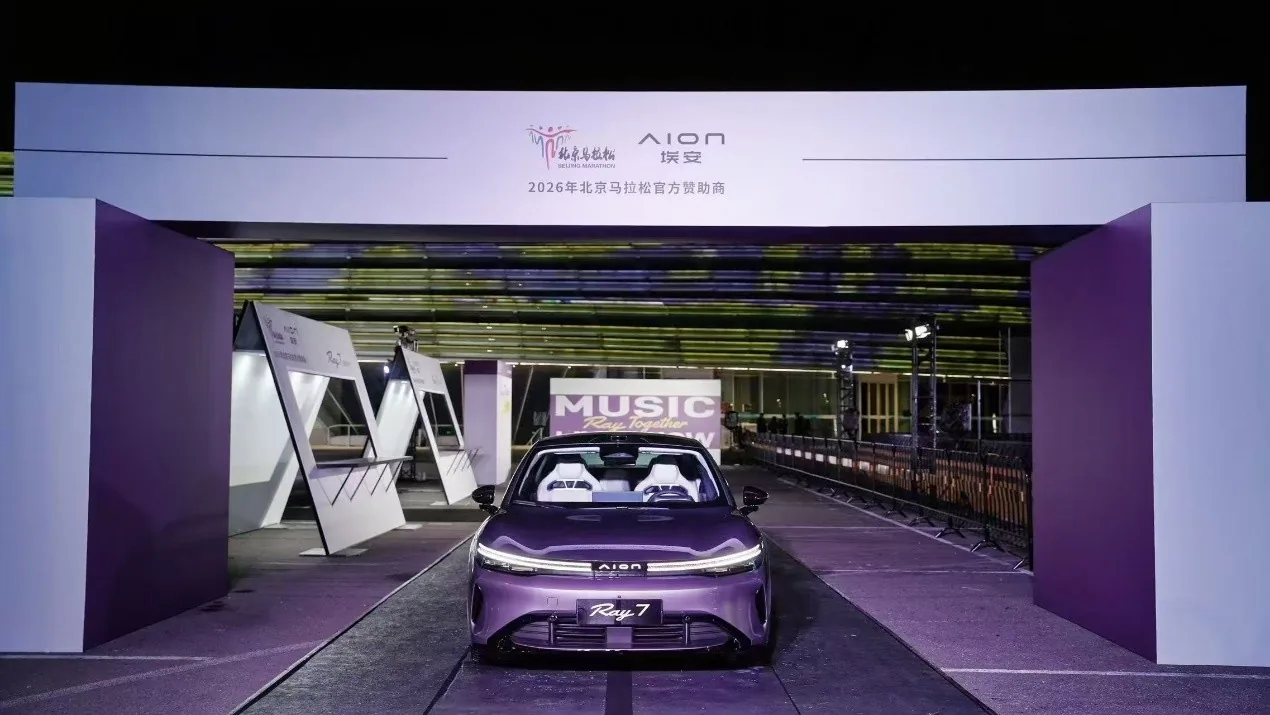
On October 17, GAC Aion’s coupe Ray7 officially opened presales, with presales starting at RMB 128,800. It is a new-series model under Aion’s 10-year family design language refresh, and a step by GAC into the RMB 200,000-class market.
- Model: all-electric coupe, first new car in Aion’s all-new Ray series
- Presale price: from RMB 128,800
- Presale start: October 17
- Dimensions: 4.9 m long, 2.9 m wheelbase
- Battery options: 45.58 kWh and 62.98 kWh
- Range and drag: up to 702 km, Cd 0.22
- Delivery timing, trim configurations, and pricing breakdown: not disclosed in the article
The 3.25-meter ultra-long dual-ring light bar at the front is the most direct expression of this refreshed family signature.
Powertrain and Chassis: Huawei DriveONE Onboard, 100–0 km/h Braking in 32.8 Meters
The battery combines CATL cells with GAC’s self-developed Magazine Battery 2.0 technology; the official claim is that it both unlocks range and continuously monitors battery health. Capacity comes in two tiers, 45.58 kWh and 62.98 kWh, with a maximum range of 702 km. The car’s drag coefficient is as low as Cd 0.22—for a coupe that is 4.9 meters long, this is how efficiency gets baked into the styling.
The electric drive is supplied by Huawei: Ray7 is equipped with Huawei DriveONE multi-in-one electric drive and Huawei DriveONE chip-level drive-brake fusion architecture. So-called “drive-brake fusion” means drive and braking controls are coordinated closer to the actuator level to shorten the response chain; in perceptible numbers, that means a 100–0 km/h braking distance of 32.8 meters. The chassis uses high-performance front and rear stabilizer bars plus a rear five-link suspension; the official line is higher cornering limits and cleaner vibration filtering.
Here lies the most notable contrast in this article: a car with presales starting at RMB 128,800 is placed inside the narrative frame of “GAC entering the RMB 200,000-class market.” The gap between the price band and the target market is exactly the product story Aion wants to tell—use a lower entry barrier to deliver a higher-tier equipment list. At the same time, note that the two battery options mean the 702 km range corresponds to the larger-capacity version; the article does not break down which trim maps to which set of figures.
Intelligent Driving: 27 Sensors, Reusing WeRide’s L4 Scenario Experience
Intelligence is the part Ray7 wants to highlight most. On the hardware side, the car has 27 automotive-grade full-view sensors; on the algorithm side, it uses a large model derived from WeRide’s L4 Robotaxi. “Same origin” means the passenger-car side reuses the vast scenario experience accumulated by L4 Robotaxis, and the official description says it can navigate complex urban scenarios such as U-turns and detours smoothly.
One point needs to be clear: L4 lineage does not equal L4 capability. Robotaxi is a driverless service that operates within defined areas and has redundancy plus remote takeover; what is delivered to users in a production passenger car is still driver assistance. The two are completely different in terms of responsibility boundaries and usable scope. The article also does not give the specific feature name or rollout cadence for this system.
| Item | Ray7 data |
|---|---|
| Length / wheelbase | 4.9 m / 2.9 m |
| Front light bar | 3.25 m dual-ring light bar |
| Battery capacity | 45.58 kWh / 62.98 kWh |
| Max range | 702 km |
| Drag coefficient | Cd 0.22 |
| 100–0 km/h braking | 32.8 m |
| ADAS sensors | 27 automotive-grade full-view sensors |
| ADAS model | Derived from WeRide L4 Robotaxi |
| Presale price | From RMB 128,800 |
Who Should Order Now, and Who Should Wait
- Who should order early: young first-time buyers with a budget around RMB 130,000, who want coupe styling, care about supplier badges such as Huawei electric drive and CATL batteries, and do not have extreme demands for rear-seat space or charging efficiency.
- Who should wait: users who treat intelligent driving as their core reason to buy—right now there is only the “L4 same-origin” claim, while feature boundaries, rollout timing, and real-world performance have not been made public; and those who need clear delivery timing and trim-to-trim configuration differences. In Ray7’s segment, the XPeng P7 and Zeekr 007 have already staked out positions, and charging efficiency, running costs, and pricing perks are the variables that will determine retention.
Final Thoughts
Ray7 puts a starting presale price of RMB 128,800, Huawei electric drive, CATL batteries, and L4-derived intelligent driving on the same spec sheet; on paper, the parameters are already complete enough. The real unanswered question is whether these parameters can become an experience users can feel, trust, and sustain. Aion’s pitch to younger buyers won’t be judged by a presales poster.