
Key Event Overview
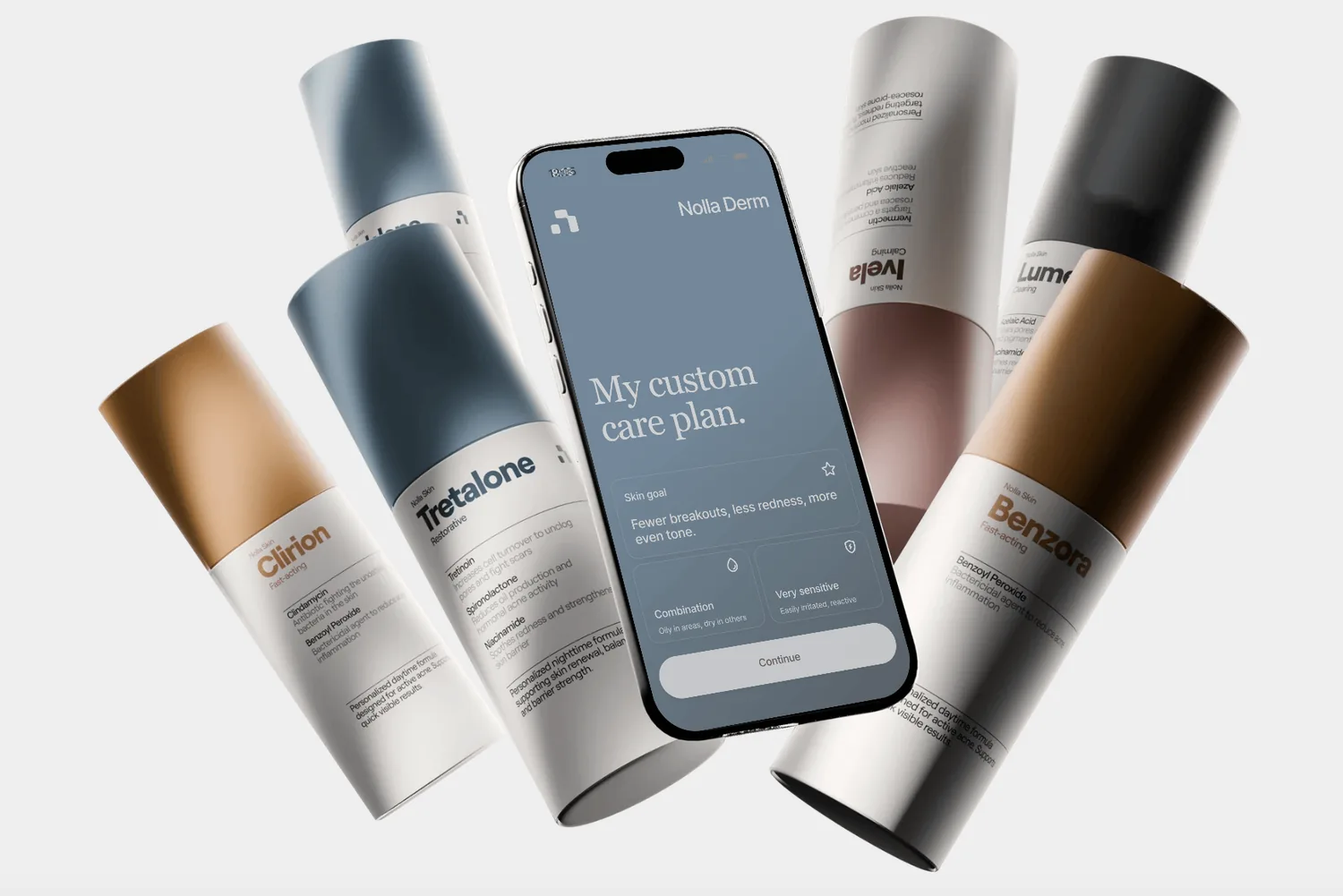
U.S. medical technology startup Nolla Health announced around Monday, October 6, 2026, that it has launched a pilot program in Utah for AI-prescribed acne treatment. This is the first U.S. clinical deployment of an AI system that can independently issue initial treatment prescriptions (rather than refills).
- Launch date: around Monday, October 6, 2026
- Geographic restriction: Utah residents only
- Eligibility: patients aged 18 and older with mild to moderate acne
- Monthly fee: $4.99
- Scope of AI prescribing authority: 8 dermatological treatment drugs (according to Bloomberg)
- Coverage phase: currently a pilot transition period, with the physician review mechanism gradually relaxed across three phases
Pilot Mechanism and Physician Oversight Pathway
In Nolla Health’s service workflow, users scan their faces via a mobile app, and the AI system analyzes acne severity before automatically generating prescription recommendations. The core of this process lies in the gradual adjustment of the physician oversight mechanism:
- Phase 1 (first 100 users): every AI-issued prescription must be reviewed and approved in advance by 2 physicians before it takes effect
- Phase 2 (up to 500 users): physician review shifts to post-hoc sampling, meaning prescriptions are reviewed only after the AI has issued them
- Phase 3 (after more than 500 users): each month, a sample of no less than 10% of prescriptions is reviewed, plus mandatory review of all cases involving escalation or side effects
Nolla Health emphasizes that the system is positioned as a supplement to, not a replacement for, physicians, designed to handle low-complexity routine cases and free dermatologists to focus on severe and high-risk patients.
Notably, earlier this year Utah became the first state to legislate allowing AI systems to refill certain medications, but Nolla Health is the first company in the United States to achieve a breakthrough in initial prescribing. This means AI is not only repeating existing treatment plans but can also independently initiate acne medication treatment for the first time.
Technical Boundaries and User-Oriented Design
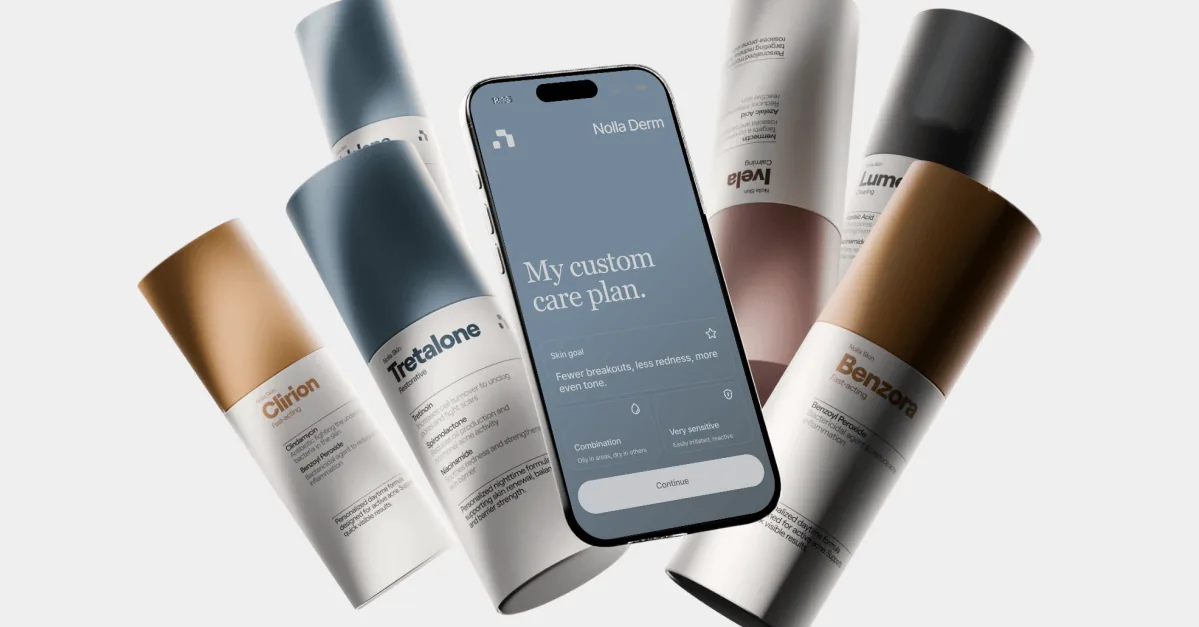
There are clear boundaries to AI prescribing capability—when the system cannot confidently select a treatment plan, it proactively directs users to an in-person physician. This reflects a safety redundancy mechanism in its design.
Currently, the AI can prescribe eight dermatological treatment drugs, covering mild to moderate acne. For severe or complex cases, the system will avoid autonomous decision-making to keep risk controllable.
The service has transparent pricing at $4.99 per month, and its pricing strategy targets high-frequency repeat-use scenarios, consistent with the typical business model for chronic disease management products.
Practical Usage Recommendations
- Those who may try it right away: adult Utah users with long-term mild/moderate acne, especially those sensitive to traditional dermatology wait times and looking to start treatment at low cost
- Those advised to wait: users whose acne is accompanied by infection, cysts, or a history of adverse drug reactions; in scenarios where AI does not yet handle complex cases, an in-person physician visit is still needed
- View the technology’s role rationally: this solution is not suitable for those seeking a first diagnosis or whose skin condition is unclear; the system relies on the quality of user-uploaded images and the consistency of historical data
Final Thoughts
Utah has become the first U.S. testing ground for the clinical deployment of AI prescribing, marking an expansion of medical AI’s boundaries from assisted diagnosis to treatment decision-making. Nolla Health’s phased review design provides the industry with a replicable model for AI accountability and risk control.
The value of medical AI lies not in replacing physicians but in reconfiguring the division of services—allowing professional human resources to focus on cases that truly require deep intervention. This is a pragmatic path for technology to enable equitable, accessible healthcare.