
The AI Hardware Reinvention Wave: Old Objects Find New Life
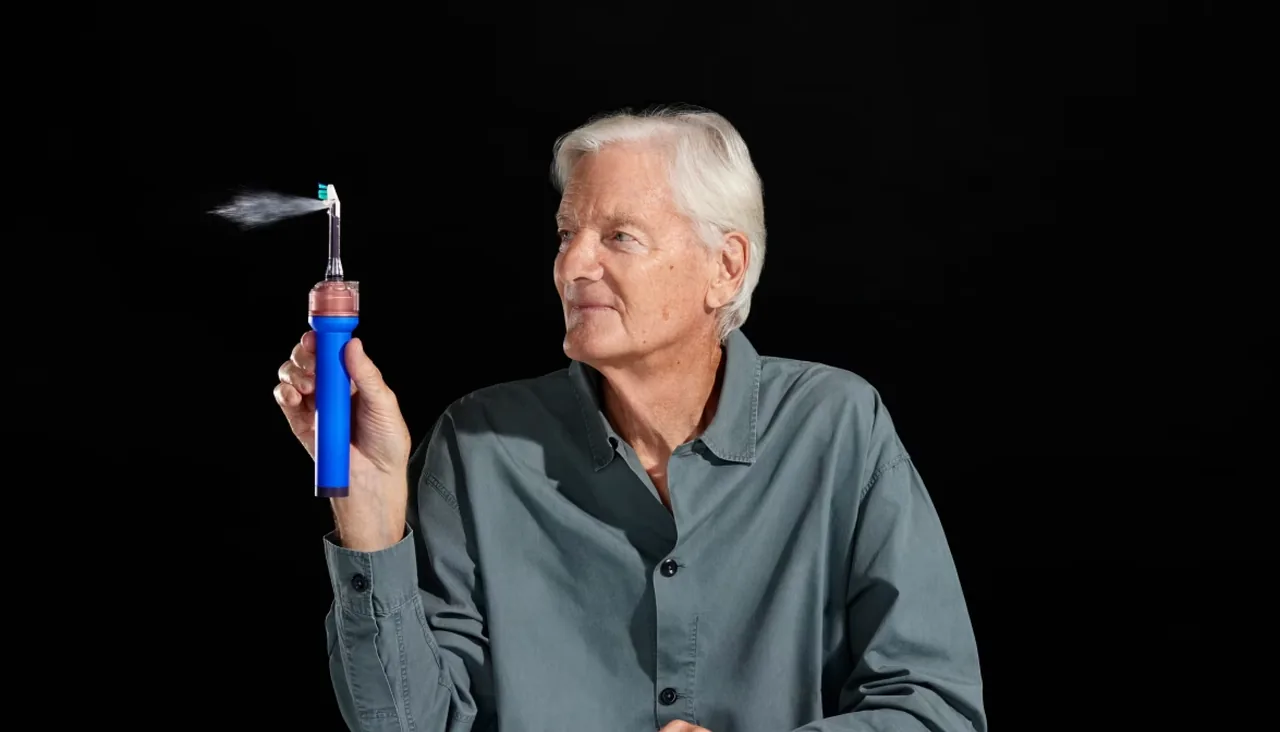
At IFA Berlin in September 2026, AI hardware is undergoing a pivot — from building from scratch to reimagining and upgrading what already exists. Dyson launched its first smart toothbrush, the Dyson CameraJet; UGREEN unveiled the world’s first liquid-cooled magnetic power bank, the MagFlow Pro; and Shenzhen’s Bvio introduced Violoop, a physical workstation built for AI — all signaling that hardware innovation no longer depends on birthing entirely new species, but rather on deeply reengineering mature products through AI.
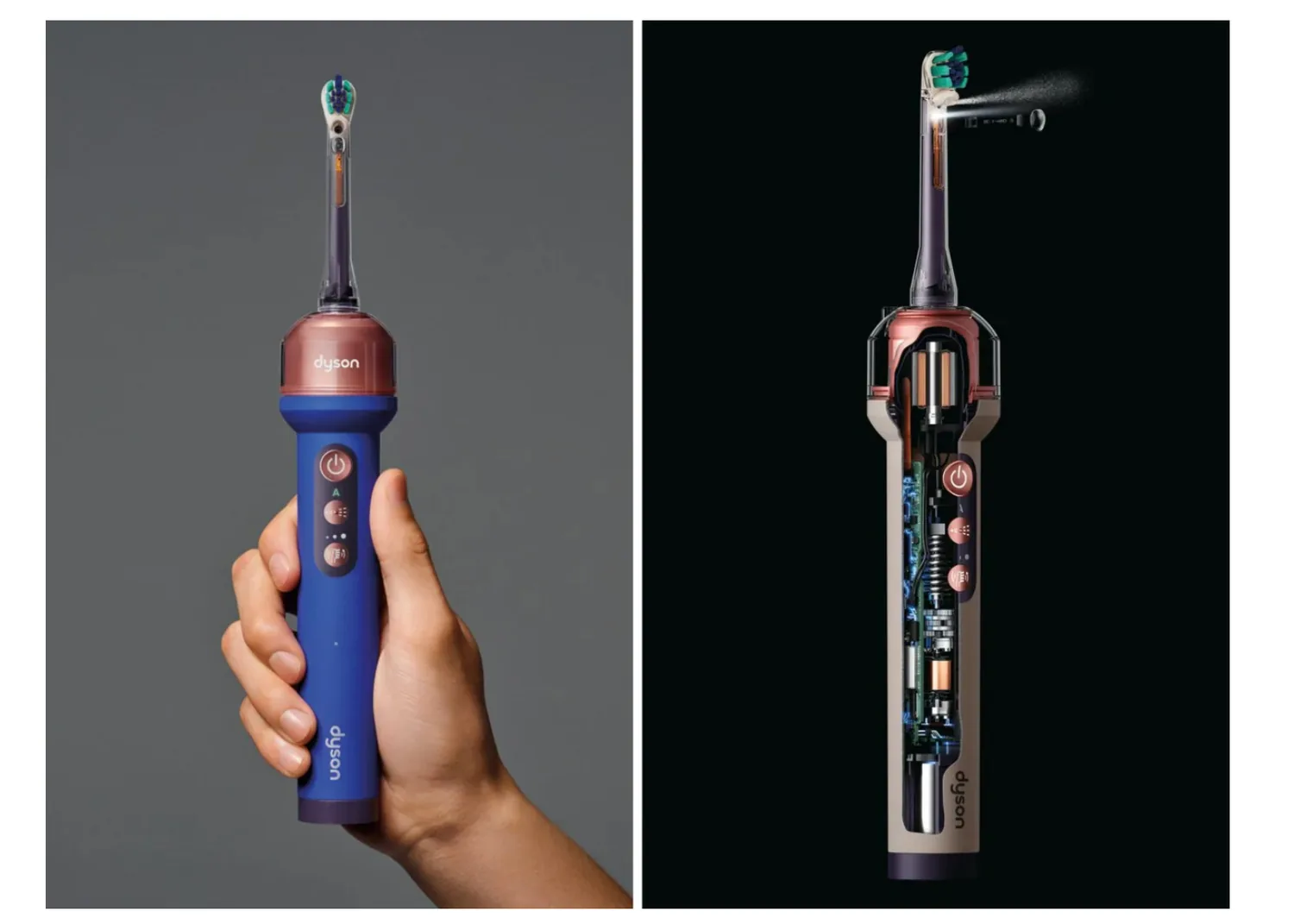
- Dyson CameraJet: Unveiled in Paris in early September, on display at IFA Berlin, priced at $499, going on sale soon; the brush head has a built-in 1mm camera scanning at 28 frames per second, precisely dispensing mouthwash within 100ms
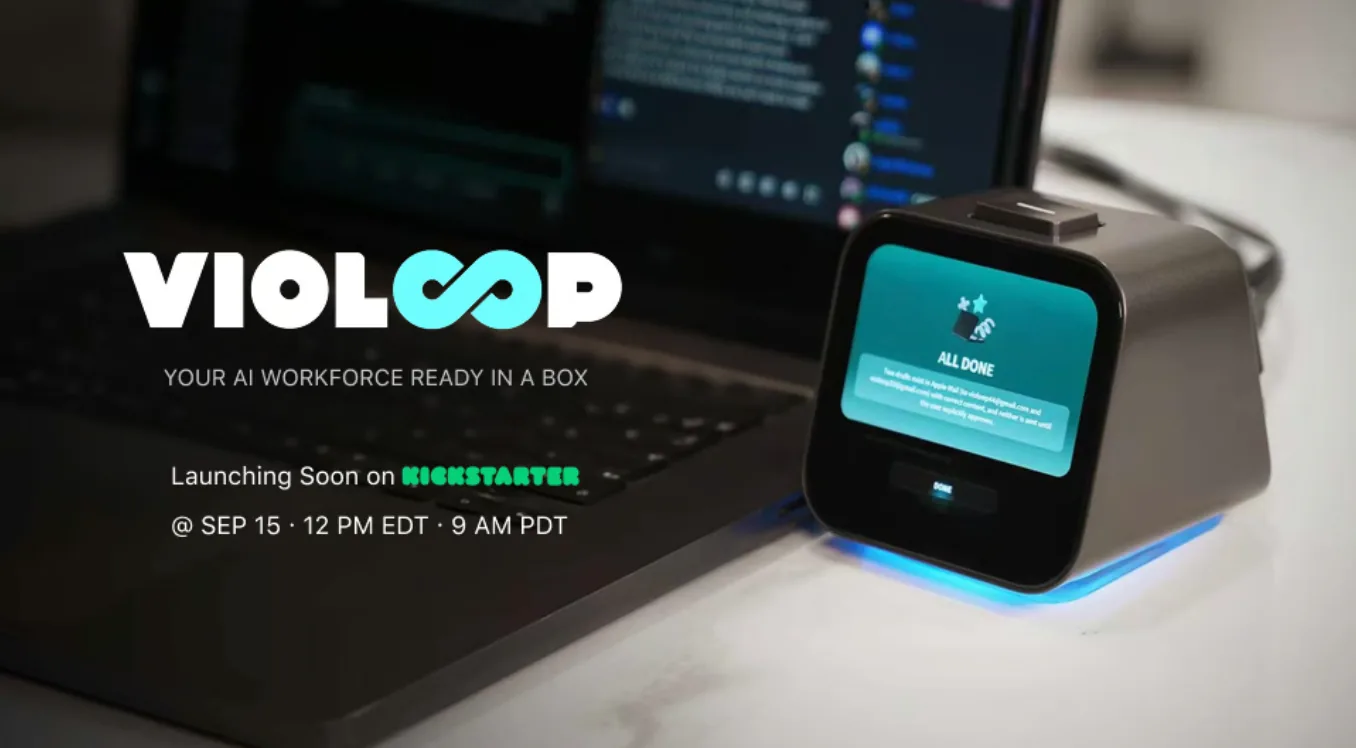
- Violoop: Global debut at IFA on September 4, launching on Kickstarter on September 15 with an early-bird price of $399 (retail $699), shipping in October; backed by $20 million in seed funding
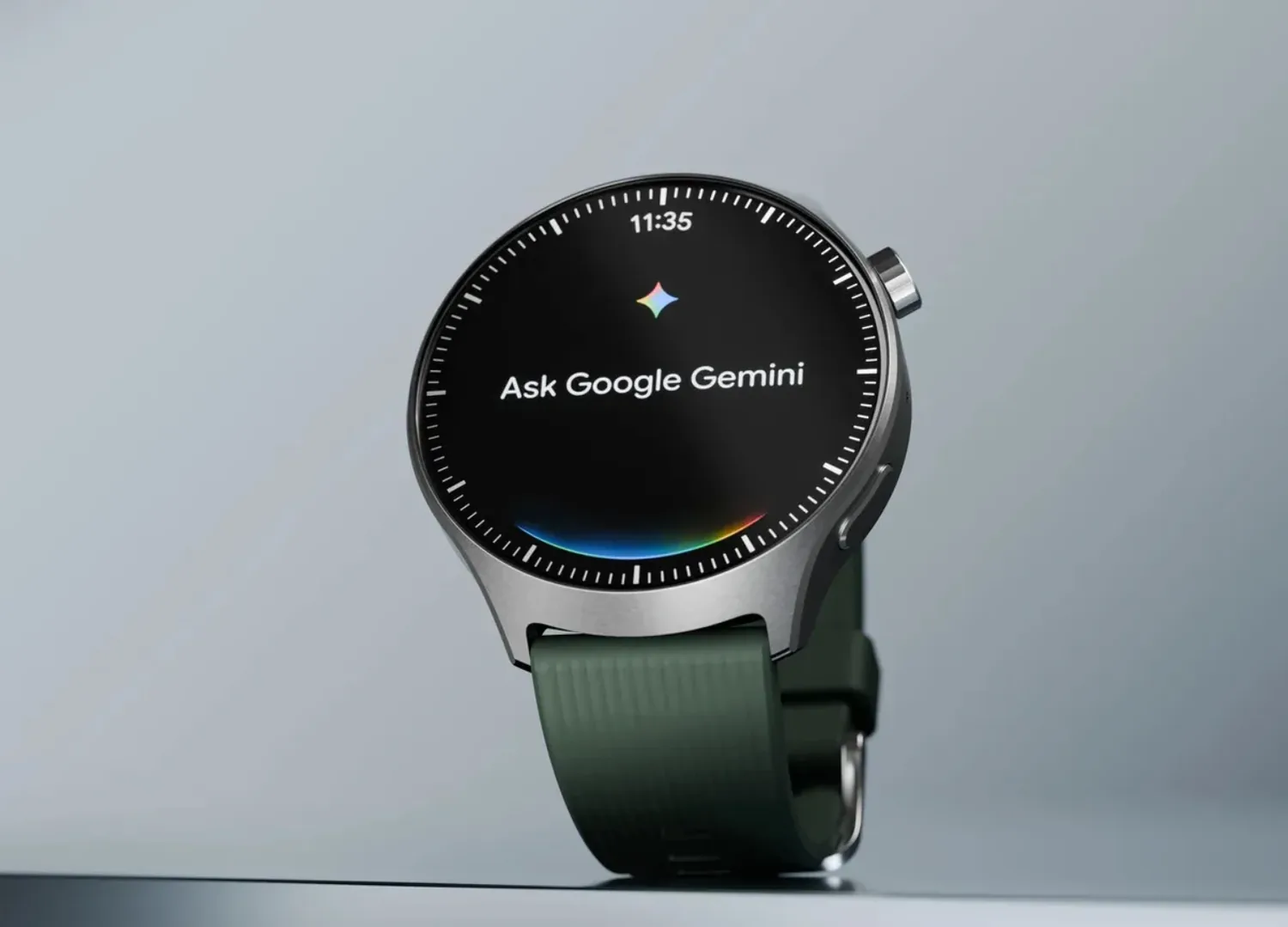
- Moto Watch Ultra: Announced at IFA on September 3, powered by Lenovo’s Qira cross-device AI Agent, pricing and release date TBA
- Foildash Uglyboard: Launched on Kickstarter on August 11, just wrapped up on September 4, raised $786,000 (61x oversubscribed), with 230 backers averaging over $3,400 each
- TICKEY e-paper badge: Kickstarter early-bird price of $29, campaign closing in late September, shipping in November
- OrigamiSwift folding mouse: $85, available at the Yanko Design store
Core Product Details and Technical Highlights
Dyson CameraJet redefines the logic of brushing. As Dyson’s first toothbrush, it breaks away from the traditional timer-and-scoring paradigm, embedding a 1mm camera directly beneath the brush head to identify uncleaned areas in real time and trigger mouthwater dispensing. Dyson has simultaneously designed a dedicated toothpaste, echoing a consumables-lock-in strategy. Technically, the camera must maintain cleanliness, water resistance, and privacy security in the moist oral environment — this will be the critical test for market acceptance.
Violoop bypasses the AI operation bottleneck at the hardware level. While major companies are still building plugins and APIs at the software layer, Violoop opts for a hardware-level approach: a palm-sized box that captures screen content via HDMI and simulates real keyboard and mouse operations through USB. Its core design highlight is a physical safety button — critical operations require manual pressing to execute; after screen lock, the AI can continue working and push completion notifications. The team has completed two rounds of financing, announcing at IFA that cumulative seed funding reached $20 million.
Lenovo Qira enables AI nomadism across devices. The Moto Watch Ultra becomes the final piece of the Qira ecosystem puzzle. Unlike Hugging Face building new bodies for AI or Plaud hiding inside legacy devices, Lenovo chose to let AI roam freely across PCs, phones, tablets, and watches like nomads — memory follows the person, not the device. But the caliber of the cross-device experience depends entirely on Qira’s own intelligence level; device expansion cannot compensate for AI capability deficits.
Key Product Specs Comparison
| Product | Core Function | Price | Technical Highlights |
|---|---|---|---|
| Dyson CameraJet | Camera scanning + mouthwash jet | $499 | 1mm camera, 28 fps, 100ms response |
| Violoop | Hardware-level AI workstation | $399–$699 | HDMI screen capture, USB keyboard/mouse simulation, physical safety button |
| UGREEN MagFlow Pro | Liquid-cooled magnetic charging | $149.99 | Micro-pump coolant circulation, transparent window, Qi2 25W |
| Foildash | Universal electric assist module | $2,500–$3,000 | Max thrust 34kg, weight as low as 3.8kg, compatible with any mast |
| TICKEY | E-paper badge | $29 | 48-color e-paper display, CNC aluminum body, 2-month battery life |
| OrigamiSwift | Folding travel mouse | $85 | Origami structure, full-size to tablet-form conversion |
Practical Recommendations for Readers
- For developers and enterprises needing AI operators urgently: Violoop’s $399 early-bird price is worth a try, especially for scenarios where AI needs to operate legacy software without APIs; but if your AI processing demands are extremely high, it’s advisable to wait for real-world performance test data after mass production begins in October
- For hydrofoil surfing enthusiasts: Foildash’s crowdfunding price of $2,500 plus your own gear keeps total cost under $6,000 compared to electric hydrofoils, making it suitable for existing hydrofoil board owners looking to upgrade; but with only 230 backers, this category remains niche — consider waiting for first-batch user feedback before deciding
- For privacy-conscious users who value physical records: The TICKEY e-paper badge at $29 is an affordable entry point with no screen leak risk; the Camera With Digital Film is great for capturing precious moments as a physical collection, but its limited animation capabilities make it unsuitable for video needs
Final Thoughts
Hardware innovation is shifting from “inventing new species” to “reinventing the existing world” — AI doesn’t invent the toothbrush, the power bank, or the mouse; it makes us understand them anew. Dyson dismantles the assumptions of brushing, UGREEN brings liquid cooling into a power bank, and Violoop lets AI work the way humans do — these cases collectively prove that genuine technological breakthroughs often emerge in the gaps of deeply reengineering existing products.