
Core Event and Key Statistics
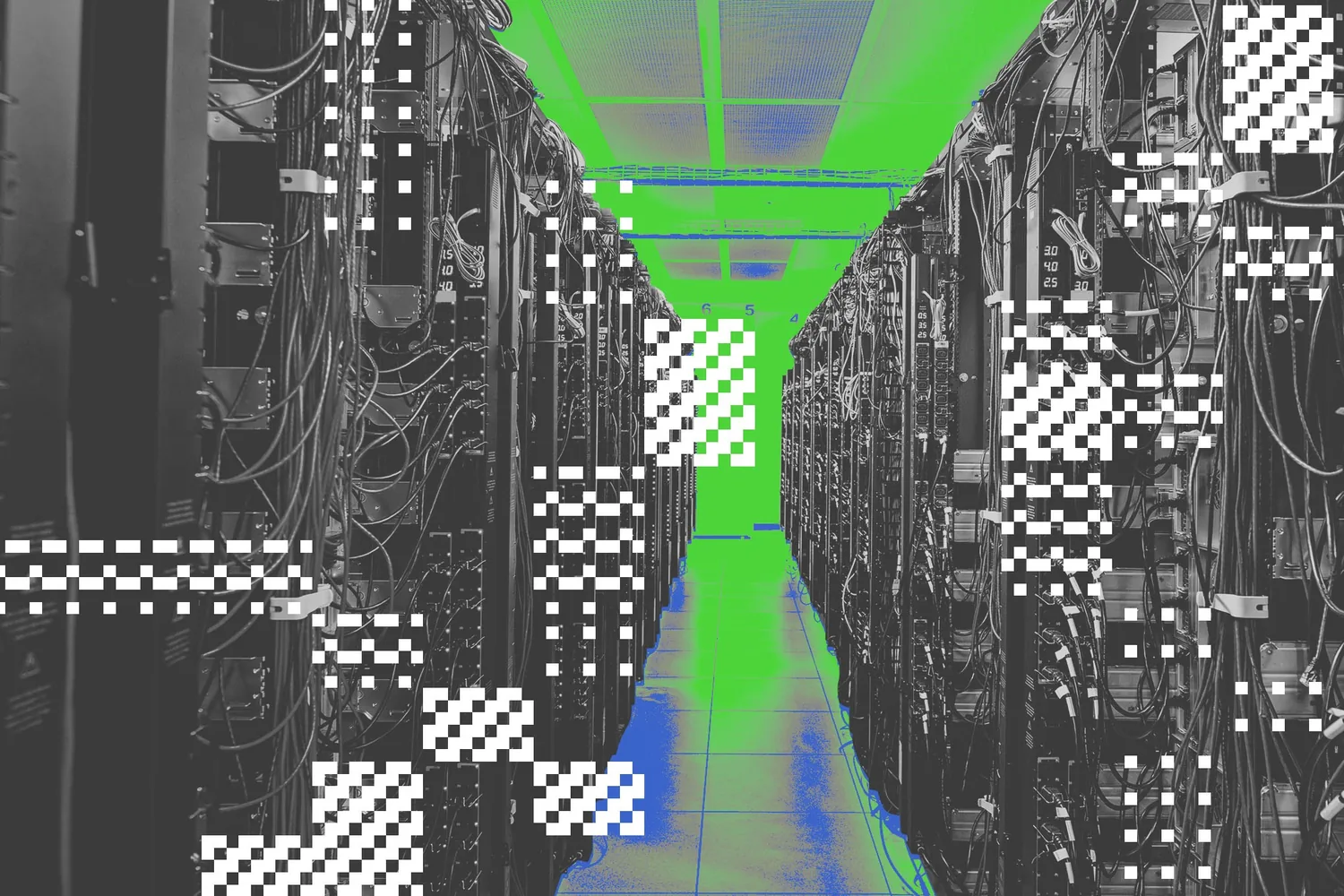
In 2024, the non-profit Basel Action Network (BAN) released a comprehensive report on AI-generated electronic waste. The study projects 395 to 617 million metric tons of e-waste from AI-related electronic equipment by 2050, equivalent to 23 million 40-foot shipping containers — enough to circle the Earth six times. Global e-waste volume is projected to triple to 211 million metric tons annually by 2050, with 15 to 20 percent attributable to AI. This research is notable for including all data center infrastructure, not merely servers and GPUs.
The Hidden Scale of E-Waste

Previous studies focusing solely on servers and accelerators missed approximately 87 percent of a data center’s electro-mechanical infrastructure, according to BAN. The new methodology encompasses five equipment categories: power supply and distribution, cooling systems, backup power, networking equipment, and what BAN terms “AI Waste Contagion” — telecommunication infrastructure and personal devices made obsolete prematurely by AI advances.
A startling discrepancy emerges in recycling rates: Only 25 percent of the world’s 68.3 million annual e-waste tons is formally collected and recycled. The remainder enters informal recycling channels, where burning or burying equipment exposes workers and local environments to toxic substances like lead and chromium. The World Health Organization reports millions of children in these informal sectors face severe health risks.
Per BAN’s model, every gigawatt (GW) of data center capacity generates 70,000 metric tons of e-waste. Combined with McKinsey’s projection of 219 GW total data center capacity by 2030, the AI retirement高峰 occurs between 2025 and 2050, yielding 8.6 to 13.1 million metric tons annually. For comparison, a 2024 study projected 1.2 to 5 million tons of AI e-waste by 2030; a February 2024 study estimated 131,000 to 225,000 tons annually from AI servers — roughly equivalent to Denmark’s total e-waste output.
| Scope of Measurement | 2030 Forecast | 2050 Forecast | Notes |
|---|---|---|---|
| Servers and accelerators only | 1.2–5 million tons | Not specified | Prevailing methodology |
| Full infrastructure included | Not specified | 395–617 million tons | BAN 2024 report |
| Server-only annual waste (2030) | 131,000–225,000 tons | — | February 2024 study |
Practical Guidance: Who Should Act Now?

Corporate users: Organizations planning or operating data center infrastructure should integrate e-waste planning into core ESG reporting. Equipping procurement with recyclability requirements and lifecycle extension guarantees can mitigate future disposal costs.
Policy makers: The United States has yet to ratify the Basel Convention — an international treaty limiting hazardous waste trade. U.S.-based AI operators should anticipate tighter regulatory scrutiny and participate proactively in device tracking systems.
Individual consumers: Personal devices currently constitute a minor fraction of AI e-waste, but BAN warns consumer electronics will accelerate obsolescence due to AI feature deployment. Users should prioritize devices with long-term software update commitments to slow upgrade cycles.
In Conclusion
AI’s “weightless” computational power rests on substantial material foundations. As compute demands double every 18 months, e-waste trajectories may outpace even climate model projections. While the industry races toward higher compute performance, circular economy infrastructure development remains dangerously behind the pace of hardware deployment.