Event Snapshot: Disrupt 2026 to Spotlight AI-Enabled ‘De-Extinction’ Technology
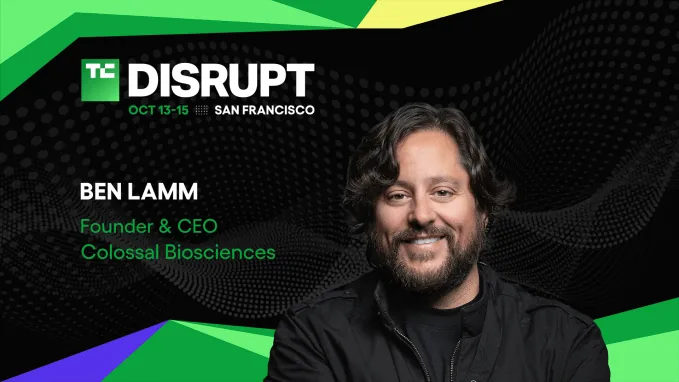
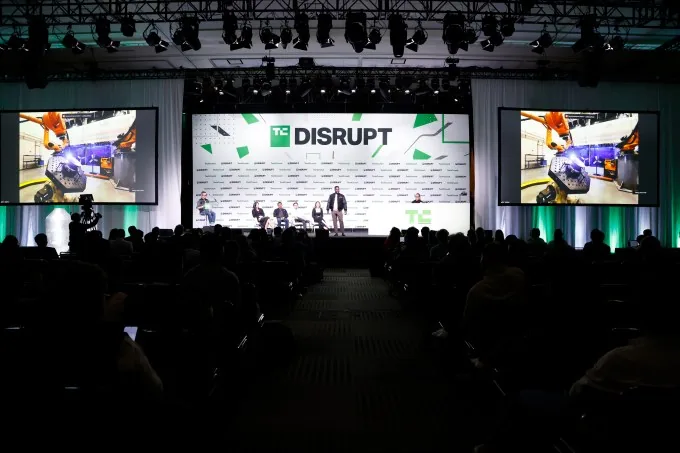
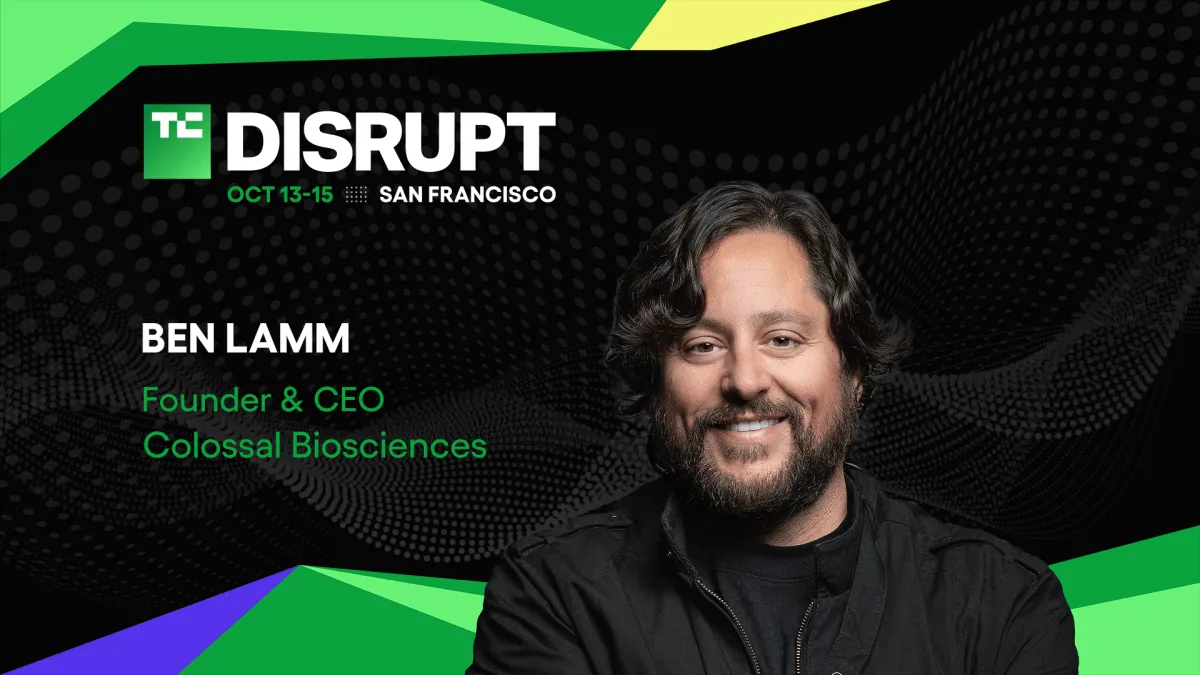
TechCrunch Disrupt 2026 will take place October 13–15, 2026 at the Moscone West convention center in San Francisco. Among its highlights is the fireside chat ‘Can We Engineer Nature’s Comeback?’ on the Real World AI Stage, featuring Ben Lamm, co-founder and CEO of Colossal Biosciences.
Key hard facts:
- Dates: October 13–15, 2026 (3-day event)
- Venue: Moscone West, San Francisco
- Scale: 10,000+ founders, investors, and operators; 250+ sessions
- Stage: Real World AI Stage
- Speaker: Ben Lamm (Colossal Biosciences Co-founder & CEO)
Technical Roadmap: Cross-Disciplinary Integration of Genetics and AI
Colossal Biosciences, famously dubbed a ‘mammoth resurrection company’ in media, actually pursues species that went extinct recently enough to have close living relatives—such as the woolly mammoth and the thylacine. Its methodology combines synthetic biology with artificial intelligence to analyze genetic data, model biological systems, and accelerate discovery cycles, firmly situated in the domain of computational biology rather than general-purpose machine learning.
A notable contradiction: while Colossal has attracted billion-dollar valuations and significant venture capital interest, the scientific community remains deeply divided on both technical feasibility and ecological justification. Critics warn that de-extinction efforts could divert funding from protecting existing endangered species and their habitats, whereas proponents argue gene-editing tools may bolster climate resilience in vulnerable populations.
Lamm’s entrepreneurial background offers context for this pivot: earlier ventures included enterprise AI (Hypergiant), conversational intelligence (Conversable), and robotics (Chaotic Moon), all later acquired by Trive Capital, LivePerson, and Accenture respectively. His shift to life sciences signals a strategic expansion of AI entrepreneurship—from digital abstraction into physical organism manipulation.
Ethical Dimensions: Tool Development vs. Ecological Accountability
The scheduled conversation prioritizes questions of should over can. Three interrelated debates are emerging:
- Technical: How does AI assist in genome assembly, off-target prediction, and cellular reprogramming? Here AI serves as an accelerator, not a designer—the biological constraints remain human-defined
- Ecological: Could resurrected species restore degraded ecosystems? Mammoth reintroduction might aid boreal carbon sequestration, though ecological chain interactions remain poorly modeled
- Governance: No international regulatory framework exists for gene-edited organisms; consensus on defining ‘successful de-extinction’ is absent
Practical Implications: Who Should Pay Attention?
- Life science researchers and conservation biologists—monitor Disrupt content closely; AI–synthetic biology integration will generate new toolkits
- ESG investors and natural capital analysts—track Colossal’s interactions with bodies like the IUCN; policy windows are opening
- Policymakers and science communicators—prepare to counter ’eden fantasy’ misconceptions; technological revival does not equal ecological replacement
Final Note
De-extinction technology represents humanity’s attempt to correct natural imbalances it caused. When AI provides the keys to resurrecting lost species, the maturity of our ethical frameworks must match engineering capability—otherwise, what returns from extinction may be not just organisms, but our own overconfidence in controlling ecological complexity.