
Core Announcement: Three Googlebook Models Unveiled Simultaneously
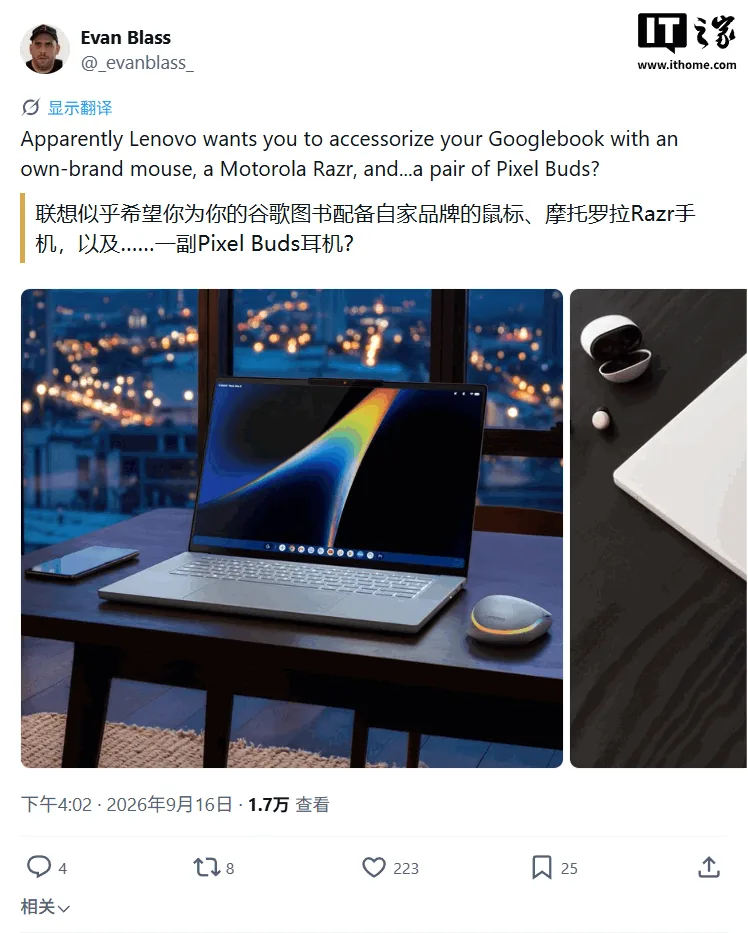
The Googlebook series—a lineup of co-designed laptops from Google and its OEM partners—will open pre-orders on September 21 at 9:00 AM EDT / 9:00 PM Beijing time. The initial trio consists of the Acer GP714-91N (codenamed “Moonstone”), an ASUS variant, and the Lenovo Googlebook 15. All three share an identical aesthetics highlight: a color “Glowbar” LED light strip along the lid. The Glowbar status indicator can display battery level and charging state, while certain models may support direct AI function invocation.
- Launch Date: September 21, 2026 (21:00 Beijing time)
- Pre-order Start: September 21, 09:00 EDT (21:00 Beijing time)
- OEM Partners: Acer, ASUS, Lenovo
- Core Platform: Intel Core Ultra processors
- OS Positioning: Fusion of Android and ChromeOS features, anchored by Gemini Intelligence
Design and Hardware Details: Focus on Googlebook 15
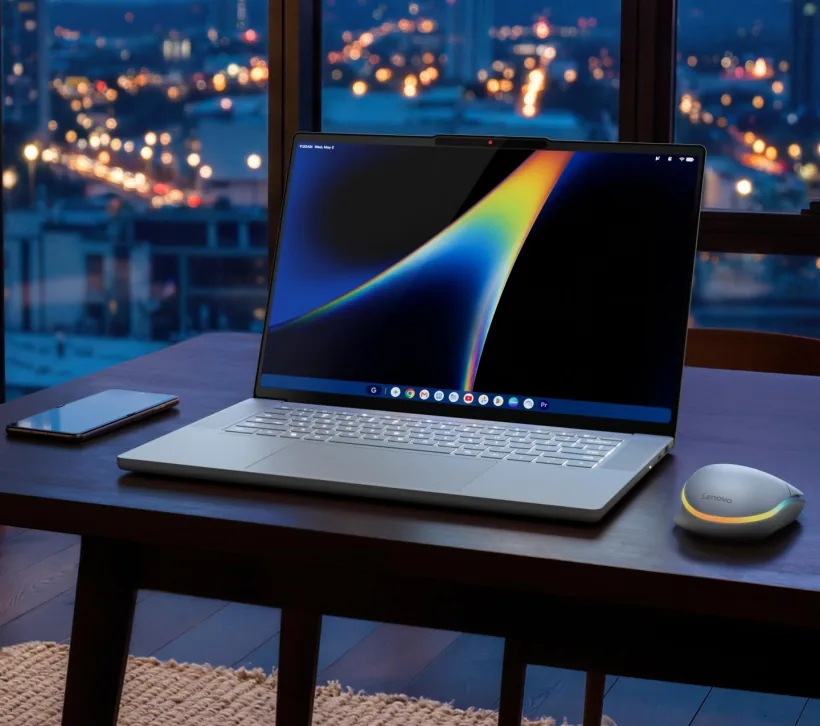
Lenovo Googlebook 15 remains the best-documented model. Measures 341.1×236×16mm and weighs ~1.29kg, equipped with a four-speaker audio system. The A-side integrates the Glowbar RGB indicator; B-side features a 15.3-inch 2880×1800 OLED touch display at 120Hz refresh, 500-nit peak brightness, 100% DCI-P3 coverage, and a built-in 5MP face authentication camera with a physical privacy shutter.
On the C-side, the touchpad spans 150×95mm with haptic feedback; the keyboard features backlighting and a dedicated Google “G” key positioned between Fn and Alt keys. Its function remains unspecified—possibly a global shortcut like MacBook’s Command key or a direct Gemini AI launcher.
Hardware-wise, the Googlebook 15 is expected to ship with the Intel Core Ultra 5 325 processor, memory options of 16GB or 32GB LPDDR5x RAM (LPDDR5x denotes low-power extended variant, offering ~20% lower power draw than standard LPDDR5), and 256GB or 512GB SSD storage. Connectivity includes Wi-Fi 7 and Bluetooth 5.4. A 70Wh battery supplies power, with official claims of up to 11 hours of battery life—noticeably shorter than high-end competitors (e.g., MacBook Pro with M2 Max offers 17 hours), representing the most notable surprise figure.
I/O ports: Left side houses one Thunderbolt 4, one USB-A 3.2, and a 3.5mm jack; right side features another Thunderbolt 4 and an HDMI 2.0 port—a balanced configuration for creative and mobile office use.
Accessories and Ecosystem Integration
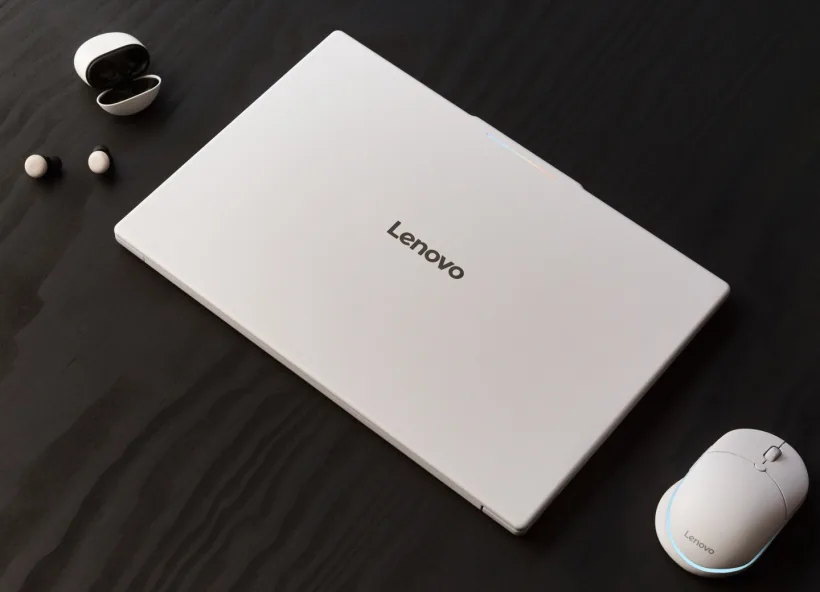
Accompanying the laptop, Lenovo will launch dedicated accessories, notably the bundled Lenovo E310 TWS earbuds and Lenovo 540 Convertible Tote backpack. A separate highlight is the upcoming “AI Mouse”, featuring a Glowbar-style LED indicator on its body. Its specific AI capabilities, however, remain undisclosed.
All three models share the top-mounted Glowbar design:代替 traditional multi-color indicators, a single programmable RGB strip indicates status flags (e.g., solid blue for charging from empty, blinking green at 50-80%, pulsing orange for full capacity). Some OEM variants may allow users to customize trigger logic via system settings.
Buying Recommendations: Ideal Users and Wait-and-See Scenarios
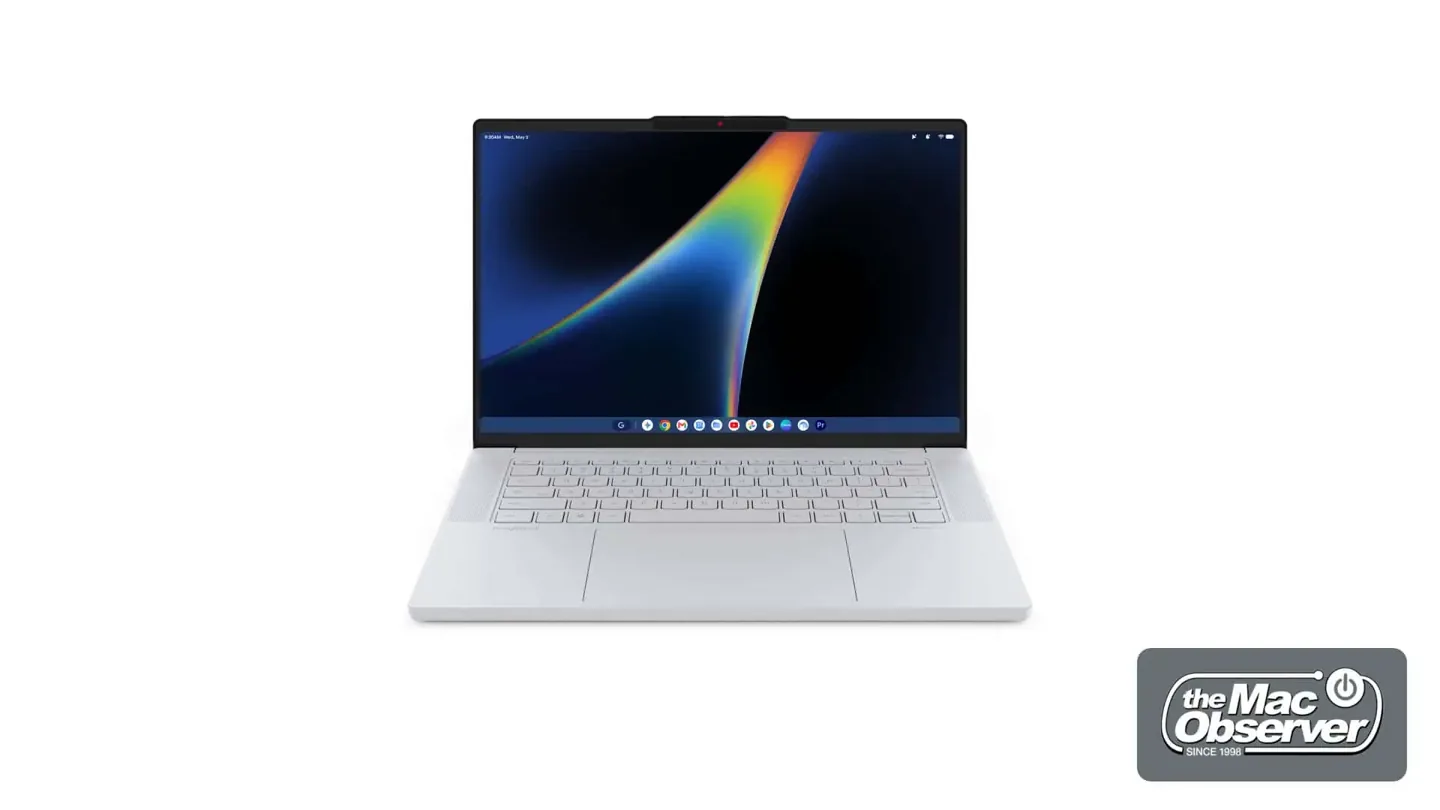
Ideal for: Light mobile office users, cloud-collaboration professionals, content consumers prioritizing OLED color fidelity, and those already embedded in the Pixel ecosystem (phone/headset). Googlebook’s software story hinges on Gemini AI integration—if on-device adaptation lags, user experience may suffer.
Wait if: You require firm battery endurance (11 hours is lab-optimized; real-world heavy use likely yields 6-7 hours); need extensive connectivity (two Thunderbolt 4 plus one HDMI may fall short for multi-monitor setups); or corporate procurement teams seeking field-tested stability beyond initial reviews.
Final Note
Googlebook marks Google’s first systematic foray into the laptop market, bridging Android’s UX patterns and ChromeOS’s infrastructure atop Gemini AI—a “sleeper” OS integration strategy. The synchronized OEM launch underscores mature partnership maturity across the supply chain.
~1221 words.